
All-Ceramic Restorations in Fayetteville, AR

A damaged, cracked, worn, or heavily restored tooth can do more than just affect the way you look. It can be uncomfortable to chew, leave the tooth vulnerable to further damage, or make you self-conscious when speaking and smiling. At Sequoyah Dental, we offer all-ceramic restorations in Fayetteville to restore damaged teeth while looking natural. These metal-free dental restorations are designed to blend with your natural teeth while providing the strength for everyday biting and chewing.
What Are All-Ceramic Restorations?
All-ceramic restorations are dental restorations made entirely from ceramic materials with no metal coping. They can include an all-ceramic crown, porcelain veneers, and other restorations to repair damaged or weakened tooth structure. Unlike metal-ceramic restorations or porcelain-fused-to-metal restorations, ceramic options can reflect light like natural teeth. Modern dental ceramics include feldspathic porcelain, zirconia ceramics, and lithium disilicate glass ceramic, including materials like IPS e.max.
Different ceramic materials have different levels of strength and natural appearance, so the right choice depends on the tooth being treated. Lithium disilicate ceramics, monolithic zirconia crowns, and other monolithic restorations may be used for anterior crowns, posterior crowns, porcelain veneers, and other restorative procedures when appropriate. Modern CAD CAM and dental technology can also be used to design restorations from ceramic blocks, while a dental laboratory and dental technician can refine their shape and appearance. At Sequoyah Dental, we consider your natural teeth, bite, adjacent teeth, remaining tooth structure, and oral health when choosing an appropriate material for all-ceramic restorations in Fayetteville.
Benefits of All-Ceramic Restorations
Patients considering all-ceramic restorations in Fayetteville want a restoration that looks natural without sacrificing everyday function. Modern all-ceramic materials give us several options to balance appearance, strength, fit, and preservation of the tooth.
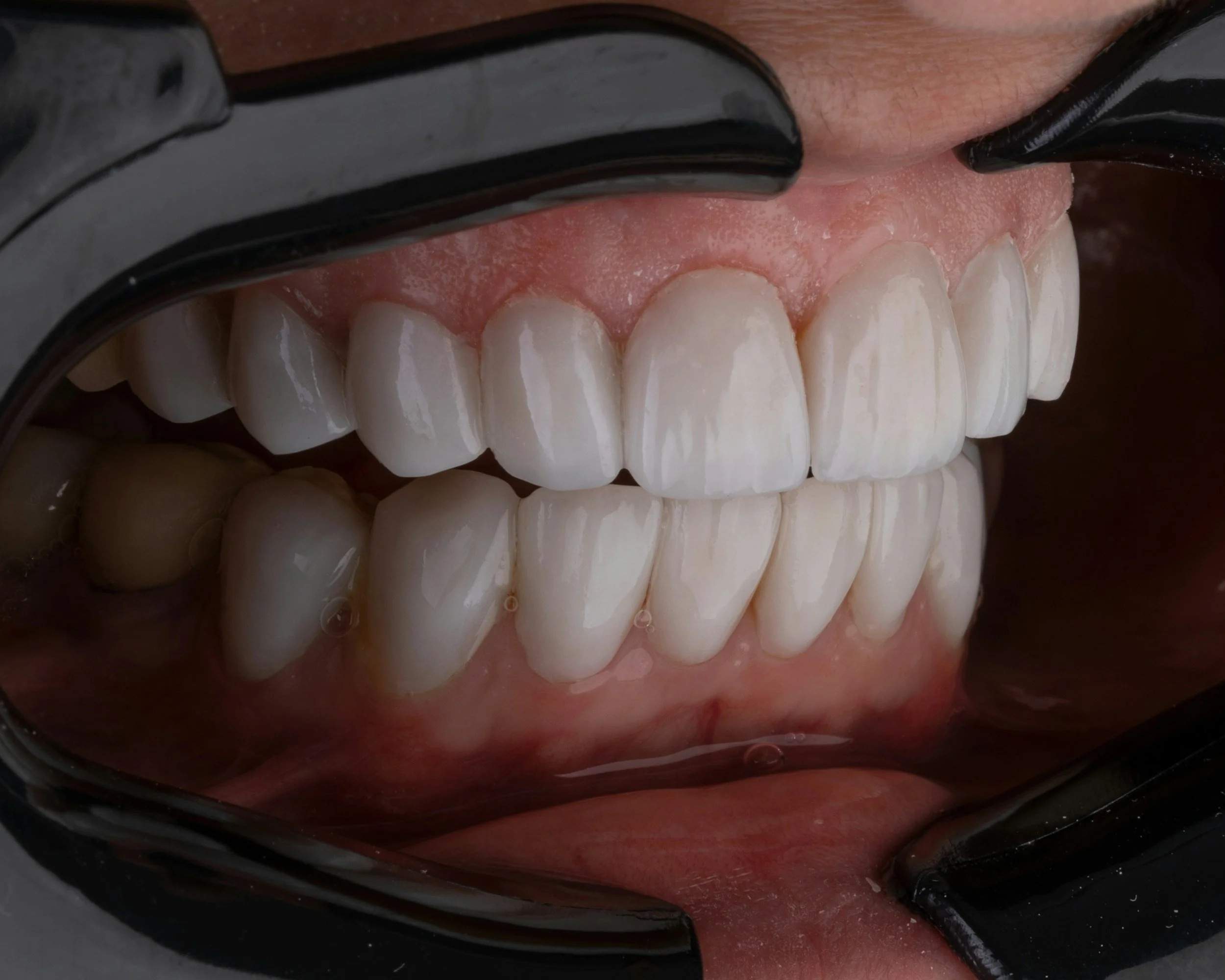
Natural Appearance: Ceramic can be selected and shaped to replicate the color and light-reflecting qualities of natural teeth. This makes ceramic restorations especially useful for anterior teeth and other areas where natural appearance is important.
Metal-Free: Unlike porcelain-fused restorations that have a metal structure underneath, all-ceramic options have no traditional metal coping. This can also be an option to consider for patients with metal-related allergies.
Versatile Restorative Options: Dental ceramics can be used for ceramic crowns, porcelain veneers, and other restorations. Depending on the material, they can be used for anterior crowns and posterior teeth.
Designed Around Your Smile and Bite: Modern ceramic crown systems allow the restoration to be planned around the neighboring natural teeth, bite, and available tooth structure. We want to achieve natural-looking results while giving the restored tooth the support it needs for everyday use.
All-Ceramic Restorations Process
The process for all-ceramic restorations varies depending on the tooth and the type of restoration being placed. A ceramic crown requires more tooth preparation than the thin shells used for porcelain veneers, so we customize each treatment plan rather than applying the same approach to every tooth.
Step 1: Exam and Treatment Planning
We start by examining the tooth, gums, bite, adjacent teeth, and overall oral health. We determine if an all-ceramic restoration is appropriate or if another type of dental care would be better.
We also consider if the restoration will be placed on anterior teeth or posterior teeth because different areas experience different biting forces. The appearance of the surrounding teeth is considered so the final restoration can fit into your smile.
Step 2: Choosing the Right Ceramic Material
The way the restoration is made depends on the material and ceramic crown system. Some monolithic restorations are milled from a single ceramic block, while others may have zirconia cores, zirconia copings, or a core covered with a veneering ceramic.
Traditional laboratory methods may also involve a wax pattern before the final restoration is produced. With layered restorations, a dental technician can use layering porcelain to achieve the desired shape and appearance. Factors such as the ceramic's glass matrix, crystalline particles, fracture resistance, fracture toughness, and thermal expansion influence how certain materials are manufactured and used.
Step 3: Tooth Preparation
When the restoration is ready, we check its shape, fit, color, contact with adjacent teeth, and relationship with the opposing teeth. Small adjustments may be made so the restoration feels comfortable when you close your mouth and chew.
The restoration is then bonded using a suitable bonding agent or dental cement depending on the ceramic system and clinical situation. Some bonding methods also use dentin adhesives to help connect the restoration to prepared tooth structure. After placement, we check the bite again and explain how to care for the restoration and surrounding gums.
Step 4: Impressions, Scanning and Restoration Design
There is no one ceramic material that is right for every restoration. We consider factors such as strength, appearance, remaining tooth structure, location in the mouth, and the forces on the tooth before choosing the right material.
Options may include lithium disilicate ceramics, zirconia ceramics, or other dental materials. Materials like IPS e.max and other lithium disilicate systems may be considered when their properties fit the restoration, while zirconia may be used when more strength is needed.
Step 5: Creating the Ceramic Restoration
For a crown, the tooth preparation involves carefully reshaping the tooth so the new ceramic crown can fit over it. We want to preserve healthy tooth structure while creating enough space for the selected restoration. Veneers are different because they are thin shells bonded to the visible surfaces of teeth and may require less preparation in some cases. The amount of preparation depends on your tooth, the restoration, and the ceramic material being used.
Step 6: Fitting and Bonding the Restoration
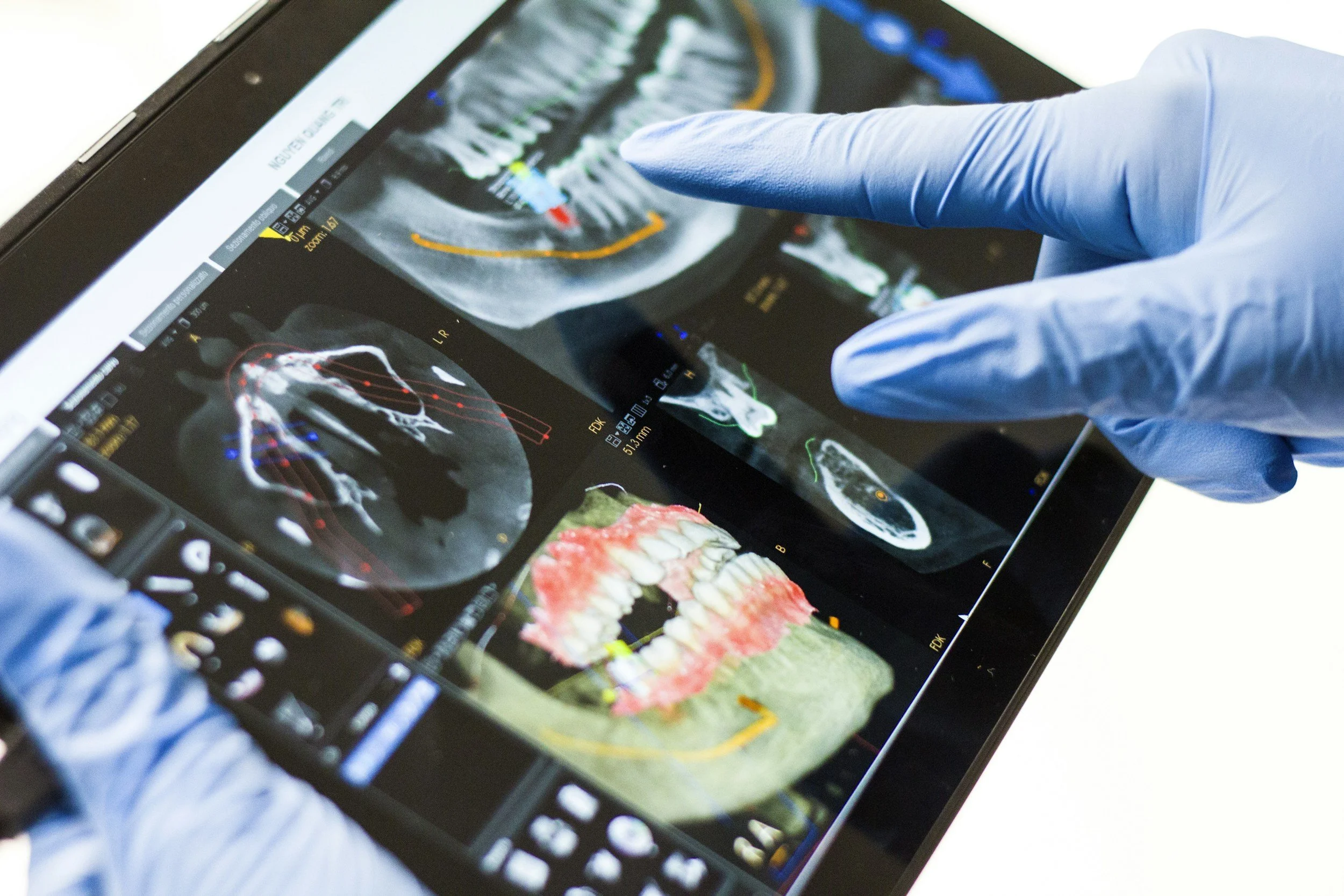
After preparation, precise impressions or digital scans capture the shape and position of your tooth. These records also provide information about adjacent teeth, surrounding teeth, and opposing teeth so your restoration can be designed to fit your bite.
Depending on the case, CAD/CAM technology may be used to design the restoration digitally. The restoration can then be produced from ceramic blocks or created with the help of a dental laboratory and dental technician.
Why Choose Sequoyah Dental for Your All-Ceramic Restorations?
At Sequoyah Dental, our approach to all-ceramic restorations in Fayetteville starts with understanding what your tooth actually needs. We consider appearance, strength, function, oral health, and long-term dental care before recommending restorative procedures. We want to provide a restoration that fits comfortably, fits into your smile, and helps protect the affected tooth.
Personalized Material Selection: Different ceramic materials perform differently, so we don’t assume one material is right for every patient. We evaluate the location and condition of your tooth before recommending one of the available all-ceramic options.
Natural-Looking Results: A restoration should work with the rest of your smile, not look out of place. We consider the color, shape, position, and appearance of surrounding teeth when designing ceramic restorations, especially in the esthetic zone.
Modern Restorative Dentistry: Today’s restorative dentistry combines established clinical methods with modern dental technology. When possible, digital scanning, CAD CAM design, and laboratory fabrication can help create restorations with accurate dimensions and a comfortable fit.
Long-Term Oral Health: A ceramic restoration is only one part of a healthy smile. We also pay attention to your gums, bite, plaque buildup, remaining tooth structure, and home dental care to help support the restoration and natural teeth around it.
FAQs
-
We tell our patients that the lifespan of an all-ceramic restoration varies based on the material, location, bite forces, oral hygiene, and daily habits. Research has shown strong medium-term survival for several modern all-ceramic crown materials, although results differ among ceramic systems. Good brushing, flossing, regular dental visits, and avoiding habits like chewing ice can help protect your restoration. Patients who grind or clench their teeth may put more pressure on ceramic restorations and may need additional protection. During your regular visits, we can check the restoration for wear, damage, changes around its margins, and plaque buildup.
-
We don’t consider one type of crown better for every patient because each material has its advantages and limitations. Metal restorations and porcelain fused to metal crowns have a long history in restorative dentistry, while modern ceramic systems provide metal-free options with excellent esthetic potential. All-ceramic crowns can look like natural teeth and may be more appealing when appearance is a major concern. However, the location of the tooth, chewing forces, available tooth structure, and selected ceramic material all affect the decision. We recommend the restoration that provides the right balance of strength, appearance, and function for your individual situation.
-
We have several types of dental ceramics to choose from depending on the restoration being made and where it will be placed. Common materials include zirconia ceramics, lithium disilicate glass ceramic, and feldspathic porcelain, each with its own mechanical properties and esthetic characteristics. Lithium disilicate, including products like IPS e.max, can provide strength and a natural appearance for certain restorations. Zirconia can be used for strong monolithic restorations and other crown designs, while feldspathic porcelain may be used when highly esthetic thin ceramic layers are needed. We evaluate your tooth and bite before deciding which material is right for you rather than choosing a material based on appearance.
-
Yes, we can use certain all-ceramic restorations on posterior teeth when the selected material and restoration design are suitable for the patient’s bite. Back teeth experience a lot of chewing pressure, so fracture resistance and the condition of the remaining tooth are important. Modern monolithic zirconia crowns and selected lithium disilicate restorations can be used for posterior crowns in certain situations. Research also shows performance varies by ceramic type and clinical situation, which is why material selection matters. We evaluate your bite, tooth condition, and chewing habits before recommending a ceramic restoration for a back tooth.
-
One of the main reasons we use all-ceramic restorations is for natural-looking results. Dental porcelain and modern ceramic materials can replicate many of the color and light-reflecting qualities of natural enamel. This is especially important for anterior teeth where even small differences in shade or shape can be noticeable when you smile. We consider the color and shape of surrounding teeth when designing the restoration so it can blend in with the surrounding smile. While no artificial material is identical to natural enamel, careful material selection, design, and placement can provide highly esthetic results.
Schedule Your Consultation Today!
Do you have a damaged, worn, cracked, or unattractive tooth? All-ceramic restorations in Fayetteville can be a metal-free way to restore its appearance and function. At Sequoyah Dental, we can evaluate your tooth, discuss the all-ceramic options, and determine if a ceramic restoration is right for you. We will explain the recommended material and procedure so you understand your treatment before we begin. Call Sequoyah Dental at (479) 313-7373 to schedule today.