
Bone Grafting in Fayetteville, AR

Losing a tooth, living with gum disease, or going years without teeth can cause the jawbone to shrink and weaken over time. This bone loss can make it difficult for the jaw to support dental implants and can affect the health and stability of nearby natural teeth. At Sequoyah Dental, we do bone grafting in Fayetteville to rebuild areas of the jaw where bone has been lost and create a strong foundation for future dental work. Whether bone deterioration developed after tooth loss, trauma, infection, or another dental issue, our team can evaluate your oral health and explain if a graft can help support your jaw.
What is Bone Grafting?
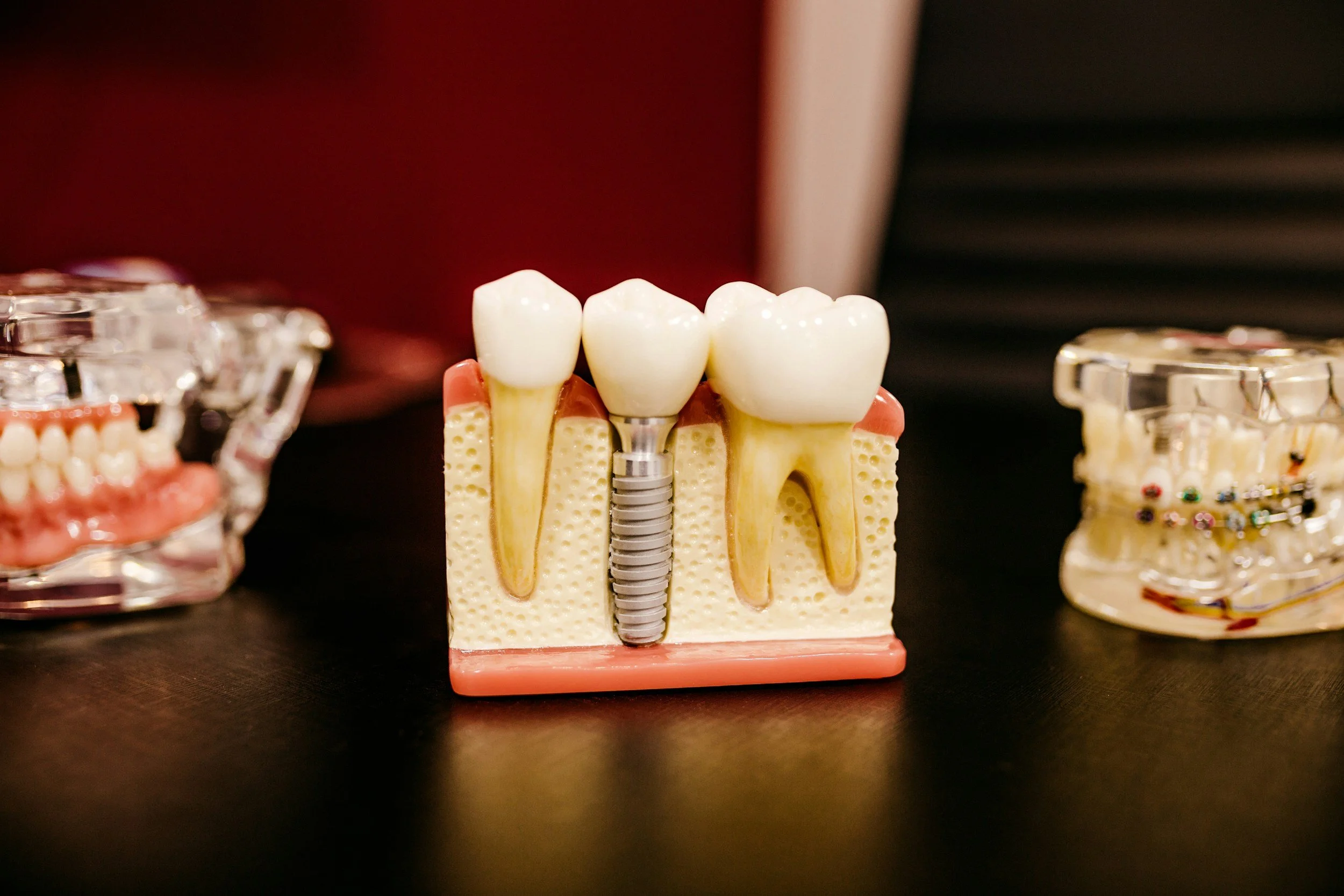
Bone grafting is a surgical procedure to add or rebuild bone in an area where the existing bone is too thin or weak. During a dental bone graft, graft material is placed in the area of bone loss so the body has a framework to support new bone growth. Over time, the graft can help the area heal and become stronger as new bone tissue develops. The goal is to regenerate bone and provide better support for the teeth, gums, or a future implant.
Different types of bone graft material may be used depending on the patient’s needs. The material may come from your own bone, donated human bone, an artificial bone substitute, or another material considered appropriate for the procedure. When bone from another human donor is used, it may be called an allograft. Some materials may also contain a naturally occurring mineral, such as a calcium-based material that provides a structure for bone-forming cells to develop.
A dental bone graft doesn’t simply fill a space permanently. Instead, the graft provides support while the body’s natural healing process gradually forms new bone in and around the area. This process of tissue regeneration can strengthen the jaw and limit further bone loss. Healing occurs gradually because the body needs time to form healthy tissue and integrate the graft.
Patients may need bone grafting for several reasons. Tooth loss is a common example because the bone that once supported a tooth can start to shrink after the tooth is removed. Severe gum disease can also damage the bone around natural teeth, while an infection, injury, or another trauma can cause additional bone loss. In some cases, a patient simply doesn’t have enough bone in the desired location to support a dental implant.
For patients considering dental implants, bone grafting can be an important part of the preparation process. A dental implant needs an adequate jawbone around it for long term support, so a graft may be recommended before dental implant surgery if the bone is too thin or has deteriorated. Not every implant patient needs grafting, which is why we first examine the jaw, gums, teeth, and overall oral health before recommending a procedure.
Benefits of Bone Grafting
Bone grafting can increase the amount and quality of bone in areas affected by tooth loss, gum disease, injury, or jawbone deterioration. The specific benefits depend on why the graft is being performed, but the overall goal is to support healthier oral structures and create a stronger foundation for future dental care.
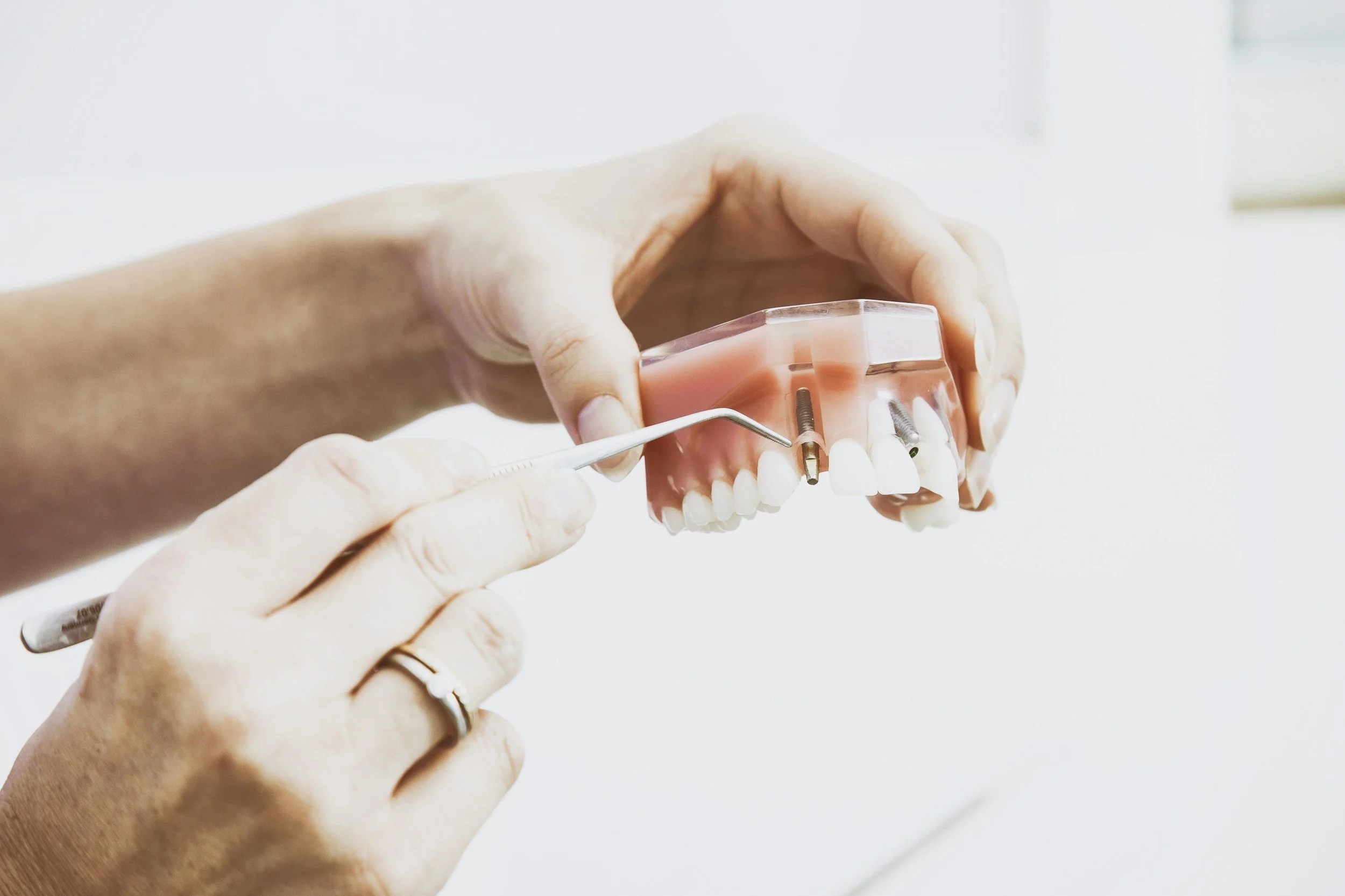
Supports dental implant treatment: A dental implant needs bone for support. Bone grafting procedures can rebuild a thinning bone area and create a strong foundation for an implant when the existing jawbone may not provide enough support on its own.
Encourages new bone growth: The graft material provides a framework for the body to develop new bone around the treated area. This natural process can promote healing and gradually replace or integrate with the graft as the area continues to heal.
Helps address jawbone deterioration: Missing teeth, severe gum disease, infection, and trauma can cause changes in the jaw. Adding graft material can rebuild lost bone, reduce the effects of further bone loss, and support the shape of the jaw and surrounding dental structures.
Can support other dental procedures: Bone grafting may be used before implant placement or as part of procedures such as sinus augmentation when additional bone is needed in the upper jaw. Depending on the treatment, certain materials or growth factors may also be used to support tissue regeneration and recovery.
Bone Grafting Procedures
Every bone graft surgery is planned according to the location and amount of bone loss, the patient’s oral health, and the treatment that may follow. At Sequoyah Dental, we explain what to expect before the procedure and provide detailed instructions for caring for the surgical site after.
Step 1: Dental examination and treatment planning
We start by examining your teeth, gums, and jawbone to determine how much bone is present and where additional support is needed. We also review any medical conditions, medications, previous surgery, and other health information that may affect treatment or recovery.
Step 2: Preparation
The chosen graft is placed in the prepared area to support future bone growth. Depending on the case, the material may be processed human bone, artificial bone material, or bone from the patient’s own body, although collecting bone from areas such as the hip or other sites is generally associated with more extensive grafting procedures performed when clinically appropriate
Step 3: Comfort
After the graft is placed, the gums are repositioned, and the surgical site is closed so healing can begin. We provide instructions on how to keep the surgical site clean, manage swelling and discomfort, protect the graft, and recognize signs that require a call to our dental office.
Step 4: Access
Before surgery, we explain how to prepare and if any changes are needed to your daily routine. For example, patients should tell us about all medications they take rather than stop taking a prescription on their own, since medication changes should only be made with guidance from the appropriate healthcare provider.
Step 5: Graft placement
Bone grafting is commonly performed using local anesthesia to numb the treatment area and minimize pain during the procedure. The type of anesthesia used can vary based on the extent of the surgery, the location of the graft, and the patient’s individual needs.
Step 6: Closing and recovery
Once the area is numb, a small incision may be made in the gums so we can reach the bone that needs treatment. The area is carefully prepared so the selected graft material can be placed where new bone is needed.
Why Choose Sequoyah Dental for Your Bone Grafting?
Choosing a dental practice for bone grafting in Fayetteville means finding a team that will evaluate why bone has been lost and what treatment will provide the right support. At Sequoyah Dental, we consider your teeth, gums, jawbone, medical history, and future dental goals when planning care. We also explain the procedure in plain language so you know what to expect before surgery and throughout recovery.
Customized treatment: Bone loss can vary greatly from one patient to another, so treatment should reflect your individual needs. We evaluate the location and condition of the bone before recommending the type and amount of graft material that may be appropriate.
Clear explanations: We want patients to understand why a graft is being recommended and how it will support future care. Our team explains the procedure, anesthesia, expected discomfort, recovery, potential complications, and other important considerations before treatment begins.
Holistic care: A successful treatment plan involves more than just adding bone. We consider gum disease, missing teeth, infection, existing natural teeth, previous injury, and other factors that affect the jaw and surrounding tissue.
Guidance during recovery: Proper home care is important to protect the graft while the area heals. We provide detailed instructions for the surgical site and explain when to call us if you experience severe pain, unusual swelling, signs of infection, or another concern.
FAQs
-
We use appropriate anesthesia to numb the treatment area and make the procedure as comfortable as possible. After the anesthesia wears off, some patients experience temporary pain, swelling, tenderness or general discomfort around the graft site. The amount of discomfort can vary based on the size and location of the graft and the type of bone grafting procedure. We provide aftercare instructions that explain how to manage discomfort, reduce swelling, and protect the surgical site during recovery. If you develop severe pain or symptoms that get worse rather than better, call us so we can evaluate the area.
-
The initial gum tissue can heal relatively quickly, but the bone underneath takes more time to develop and mature. In many cases, the graft must heal for several months before we can consider the area ready for implant placement or another procedure. Your exact healing time will depend on the size of the graft, the location being treated, your overall health, and how your body responds to surgery. We monitor the jaw during follow-up care rather than relying on a single recovery timeline for every patient. Before we move forward with an implant, we want to confirm enough bone has developed to support it.
-
In some cases, we can place an implant and do a bone graft in the same visit. This depends on how much healthy bone is available and if the implant can get initial support. When significant bone loss is present, we may recommend completing the bone graft first and allowing new bone to form before we do the dental implant surgery. Separating the procedures gives the graft more time to heal when the existing jawbone can’t provide enough support for the implant. We evaluate each patient’s jaw individually and explain the treatment sequence we think is best before we start care.
-
When a tooth is lost or removed, the jawbone in that area no longer receives the same stimulation as the tooth. Over time, this can lead to jawbone deterioration and less bone available to support a future dental implant. We may recommend bone grafting after tooth removal to help preserve or rebuild the area depending on your treatment goals and the condition of the socket. Placing graft material provides a framework for new bone growth as your body heals. If you are planning to replace missing teeth with implants, we can examine the area and determine if grafting would provide additional support.
-
We recommend protecting the surgical site carefully during the early stages of recovery and following the instructions we give you after treatment. Don’t touch or disturb the graft area and follow our directions for eating, brushing, rinsing, and keeping the surgical site clean. Tell us about medications, supplements, or medical conditions that could affect healing, and never stop taking prescribed medication without guidance from the appropriate healthcare provider. Avoid activities that put pressure on or could injure the healing area until we advise otherwise. If you notice increasing swelling, severe pain, infection, or another unexpected problem, call us so we can evaluate the graft and surrounding tissue.
Schedule Your Consultation Today!
If you have bone loss, missing teeth, gum disease, or a previous injury to your jawbone, grafting in Fayetteville may be the solution to rebuild the support for your next stage of care. At Sequoyah Dental, we can examine your jawbone, discuss the cause of the bone loss, and determine if a dental bone graft is right for you. We will explain the procedure, recovery, and how grafting will support future implants or other treatment. Call (479) 313-7373 to schedule a consultation and talk to our team about your dental concerns and treatment goals. Taking care of bone loss now can help create a healthier, stronger foundation for your teeth, gums, and future smile.