
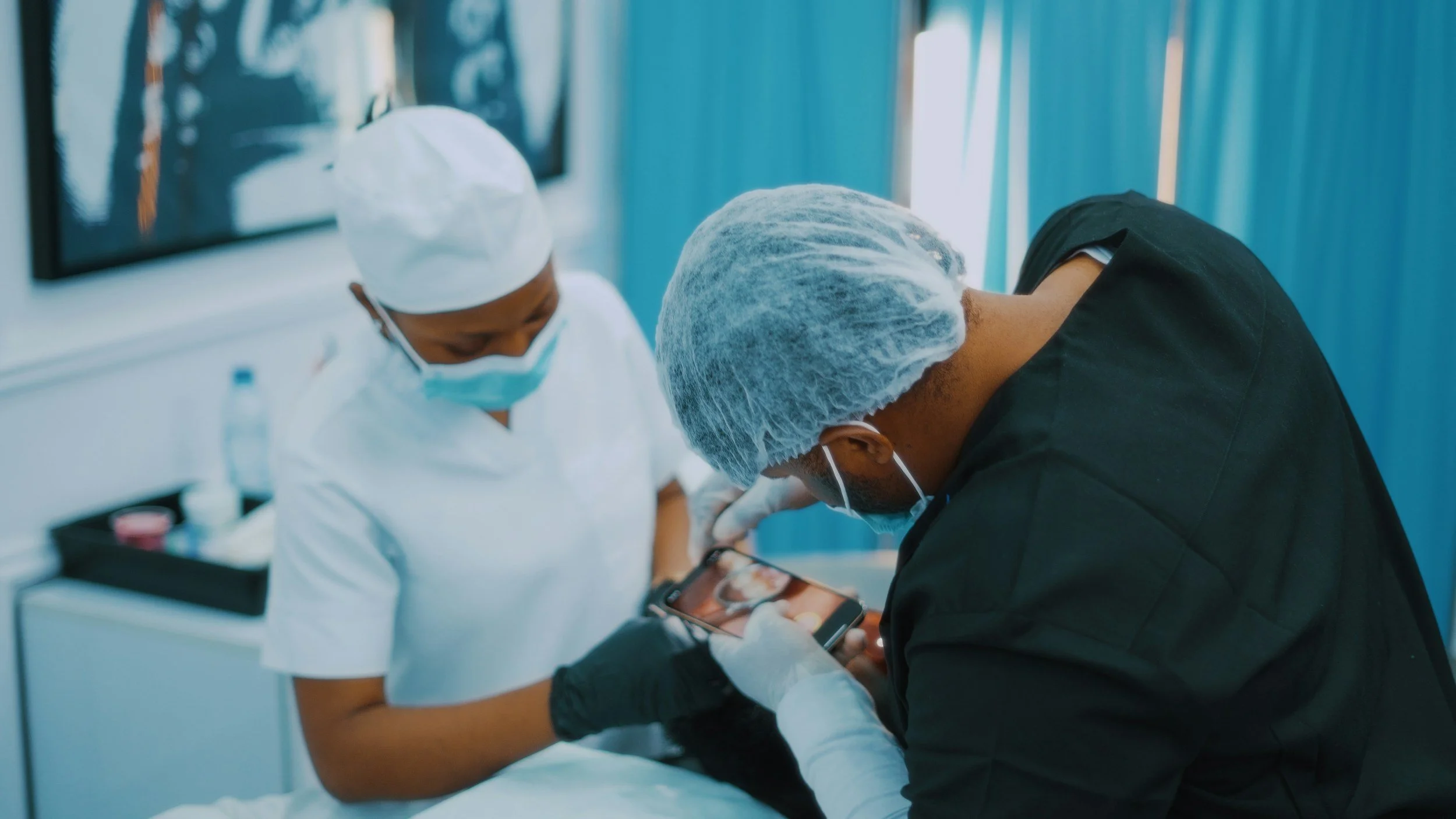
Oral Cancer Screenings in Fayetteville, AR

Changes in your mouth, like a sore, patch, or lump, can be easy to miss, especially if they don’t hurt. At Sequoyah Dental, we offer oral cancer screenings in Fayetteville to check the lips, tongue, cheeks, throat, and other oral tissues for unusual changes that need further evaluation. An oral cancer screening is a simple, non-invasive part of preventive dental care that can help detect early and determine when further testing is needed.
What Are Oral Cancer Screenings?
An oral cancer screening is a simple, non-invasive exam to check the oral cavity for unusual changes that need further evaluation. During oral cancer screenings in Fayetteville, your dentist will examine the lips, tongue, cheek lining, soft palate, throat, and other mouth tissues for sores, white patches, lumps, or abnormal tissue. The screening may also include feeling the jaw and neck for unusual changes. Regular oral cancer screenings can detect early changes, especially when changes are found in their early stages.
An oral cancer screening does not diagnose cancer but can help determine when further testing or additional tests are needed. Depending on the findings, your dentist may recommend a follow-up visit, biopsy, or laboratory evaluation to examine suspicious cells or tissue. Some screening methods may use an oral cancer screening dye, like blue dye, or an oral cancer screening light with a special light to highlight tissue changes. Screening can often be done during a routine dental visit with no special preparation, so it’s a convenient part of your oral health maintenance.
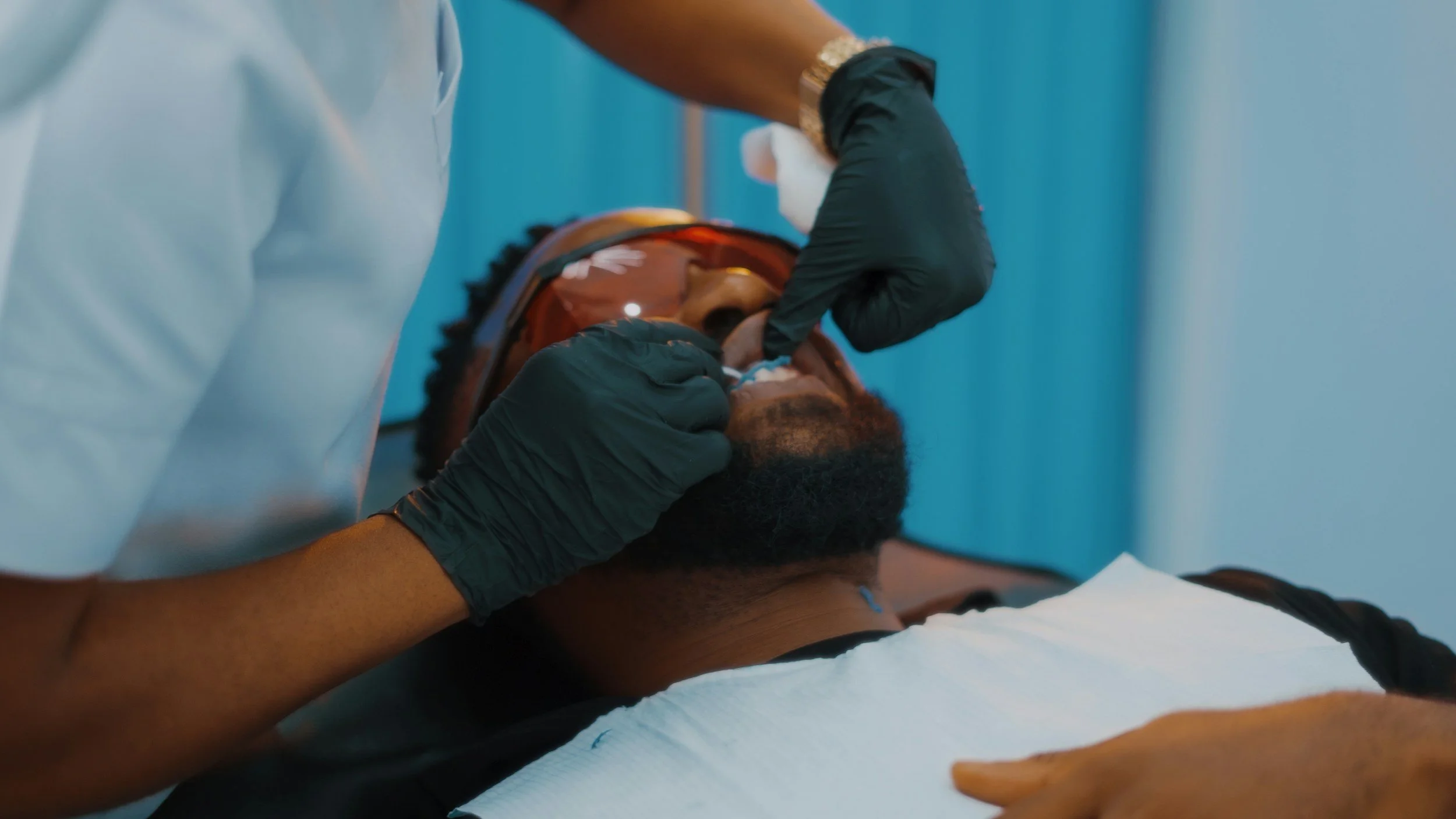
Benefits of Oral Cancer Screenings and Early Detection
Oral cancer screening is a way to pay attention to tissues that patients may not regularly inspect themselves. Although no screening can guarantee cancer will be found, examining the mouth regularly can help identify visible or palpable changes that need further evaluation.
Supports early detection. Screening allows us to find suspicious sores, lumps, patches, or other tissue changes before they become obvious symptoms. Finding changes early can lead to further testing sooner, and when cancer is diagnosed early may provide more treatment options.
Examine areas that are easy to miss. Most people don’t regularly inspect the underside of their tongue, soft palate, cheek lining, floor of the mouth, or other hard-to-see areas. During an exam, we systematically check these tissues for unusual signs.
Helps determine when additional tests are needed. A screening can’t tell us for sure if abnormal tissue has cancer cells. If an area is concerning, we can discuss whether a follow-up visit, biopsy, laboratory evaluation, or other additional tests are needed.
Fits into preventive dental care. Oral cancer screening can often be done during a routine dental visit with no special preparation. The visual and physical exam is non-invasive and takes only a few minutes.
Regular screenings also give us opportunities to discuss your personal risk. Factors increase or decrease risk differently for every person, so we consider tobacco habits, alcohol use, sun exposure, age, symptoms, health history, and other relevant information. Patients who are considered high risk may want to discuss an evaluation schedule with their dentist and medical care providers.
Oral Cancer Screenings Procedure and Additional Tests
An oral cancer screening is quick and simple. Usually, no special preparation is needed, and it can often be done during your regular dental visit. Here’s what you can expect during the process.
Step 1: Review of your health and risk factors
We start by reviewing relevant health information and asking if you’ve noticed any recent symptoms or changes in your mouth. We may discuss tobacco use, chewing tobacco, alcohol use, human papillomavirus risk, significant sun exposure, previous diagnoses, age, and other factors that affect your risk.
Step 2: Visual exam of the lips and mouth
If we find an area of concern, we document what we see and consider what’s next. Depending on the finding, we might monitor the tissue, schedule a follow-up visit, or recommend further testing rather than assuming the area is cancerous.
Step 3: Examination of the tongue, cheeks, and palate
Persistent or suspicious tissue may require a biopsy or another form of evaluation to determine what’s causing the change. During a biopsy, cells or a small tissue sample is collected and sent to a laboratory for evaluation; this is different from the screening itself.
Some screening methods mentioned in medical literature include blue dye or special light to highlight tissue differences. However, these adjunctive tests have limitations and should not be considered a definitive cancer test. A visual and tactile clinical exam followed by diagnostic testing when an area of concern is found remains the core of oral cancer evaluation.
Step 4: Evaluation of the throat, jaw, and neck
Your dentist will examine your lips and visible areas of the oral cavity. We look for sores, white patches, red areas, swelling, or other abnormal tissue that looks different from the surrounding healthy tissue.
Step 5: Evaluation of anything unusual
We inspect the tongue, including the sides and underside, cheek lining, floor of the mouth, and soft palate. Oral cancer can develop in different areas, so we take a systematic approach rather than focusing only on the teeth and gums.
Step 6: Planning further testing when needed
The screening may also include checking your throat and gently feeling areas around your jaw and neck. We’re looking for unusual lumps, swelling, tenderness, or other signs that need a closer look.
Why Choose Sequoyah Dental for Your Oral Cancer Screening?
At Sequoyah Dental, we believe preventive dental care should be more than just checking for cavities. Your oral health includes the tissues throughout your mouth, and we take the time to evaluate changes that need attention. When you come in for oral cancer screenings in Fayetteville, our goal is to provide a thorough exam and clearly explain what we see and what’s next.
Thorough oral exam. We examine multiple areas of the mouth, not just the teeth. This includes the lips, tongue, cheek lining, palate, floor of the mouth, and other visible oral tissues.
Clear communication of findings. An unusual spot doesn’t automatically mean cancer, and we don’t want patients to assume the worst. We explain what we see and why monitoring, a follow-up visit, or further testing may be recommended.
Individualized risk. We consider relevant risk factors and symptoms rather than treating every patient the same. If you're at high risk because of tobacco use or other factors, we can discuss how those factors impact your oral health.
Convenient preventive care. Screening can often be done during your regular dental visit so you can keep track of changes over time. Regular screenings and exams also allow you to tell us about new symptoms between visits.
We also encourage patients to know their own mouths. If you notice a new lump, sore, color change, or other symptom that doesn’t go away as expected, call us rather than waiting for it to become painful. Early evaluation can determine if the change just needs monitoring or more testing.
FAQs
-
From our perspective as your dental care team, we want you to pay attention to persistent changes, not try to diagnose yourself based on a single symptom. Possible signs of oral cancer can include mouth sores that don’t heal, red or white patches, unexplained lumps, tissue changes, persistent discomfort, or difficulty with normal mouth or throat functions. These symptoms can also be caused by irritation, infection, or other non-cancerous conditions. During an oral cancer screening, we evaluate suspicious changes and determine if further testing is needed. If you notice a persistent or unexplained change in your mouth, we recommend scheduling an evaluation rather than waiting for your next visit.
-
We determine screening and exam needs based partly on your individual health history and risk rather than using one schedule for every patient. The American Dental Association recommends that clinicians perform conventional visual and tactile exams as part of adult patient care, while evidence regarding population-wide oral cancer screening schedules is limited. Your risk may be higher if you use tobacco, chew tobacco, drink heavily, have certain HPV related risks, or have other health factors. We can discuss oral cancer screenings during your visits and recommend an approach based on your situation. If you develop symptoms between visits, you should call us rather than waiting for your next scheduled screening.
-
We can examine a mouth sore and determine if its appearance, location, duration, or other features warrant more testing, but an oral cancer screening can’t diagnose cancer. Many sores are caused by minor injuries, irritation, infection, or other conditions and heal without cancer treatment. If abnormal tissue persists or has concerning features, we may recommend a follow-up visit or further evaluation. A biopsy may be needed to collect tissue or cells that are then sent to a laboratory to determine if they are cancerous. Our role during screening is to identify concerning changes and help you decide what’s next.
-
The screening portion of a visit is usually quick and may take less than 5 minutes in many cases, but time varies depending on what we find and your individual needs. We visually examine multiple areas of your mouth and may palpate your jaw and neck for changes. There is no special preparation needed before the exam. If we find an area that needs further attention, we may spend more time discussing the finding and what’s next. The exam is so quick it can be done during your regular preventive care.
-
We consider several factors when discussing a patient’s oral cancer risk. Tobacco use, including cigarettes and chewing tobacco, increases risk; heavy alcohol use and certain human papillomavirus infections are also associated with mouth and throat cancers. Significant sun exposure is a risk factor for lip cancer, and risk changes with age and medical history. Having one or more risk factors doesn’t mean you’ll be diagnosed with cancer, and people without obvious risk factors can still develop the disease. If you’re concerned about your risk, we can review your history and discuss oral exams and screenings during your visit.
Schedule Your Consultation Today!
If you’re due for preventive care or have noticed an unexplained change in your mouth, schedule oral cancer screenings in Fayetteville with Sequoyah Dental. A simple screening allows us to examine your oral tissues, discuss your individual risk factors, and determine what needs attention. You don’t need to wait until a sore hurts or another symptom becomes severe before having it evaluated. Call (479) 313-7373 to schedule your visit and talk to our team about your oral health. Regular care and timely evaluation of changes can help you stay informed and take action when something needs attention.