
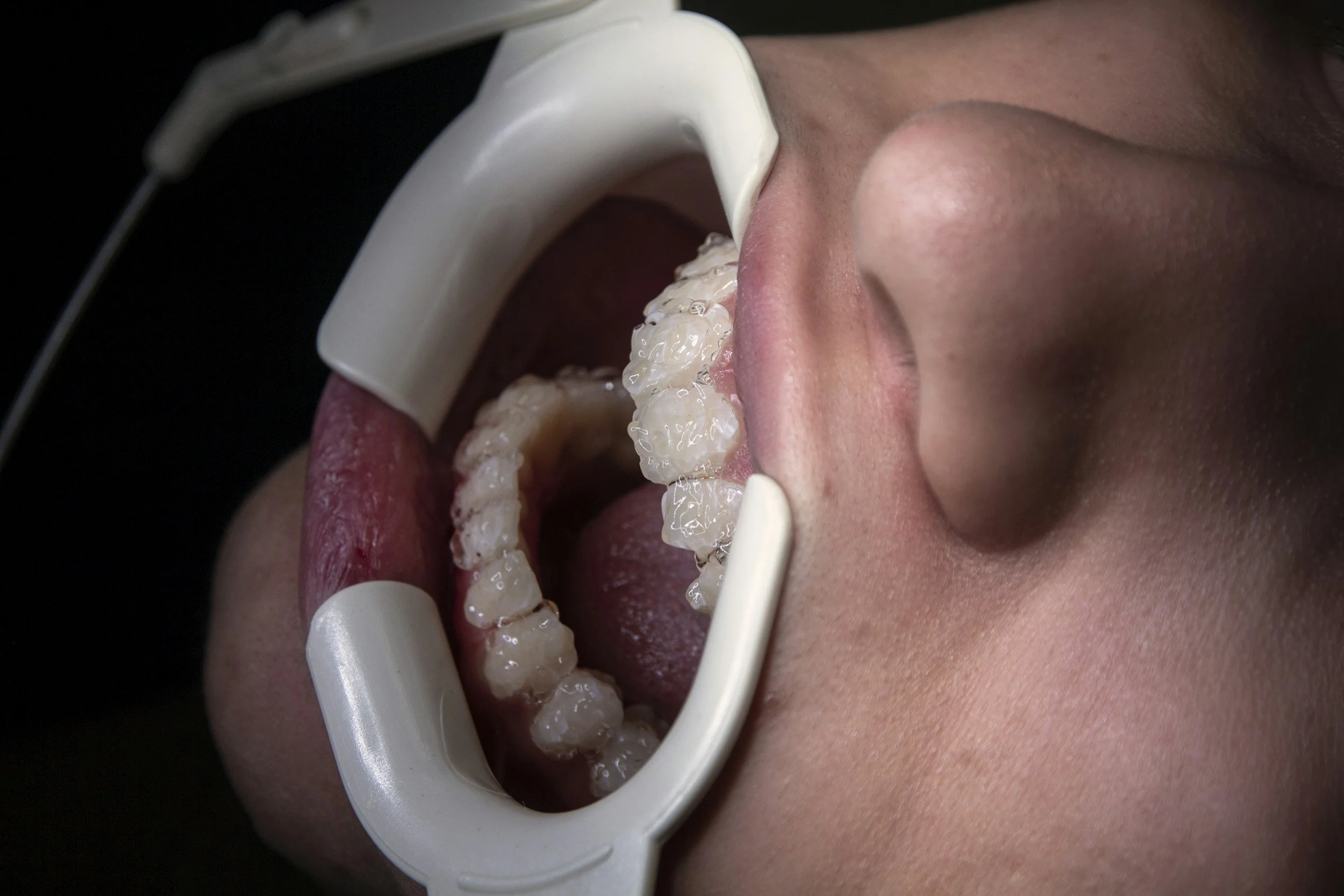
Bruxism/TMJ Therapy in Fayetteville, AR

Waking up with a sore jaw, frequent headaches, sensitive teeth, or discomfort when chewing can be frustrating. These problems may be related to teeth grinding, clenching, or irritation of the temporomandibular joint. At Sequoyah Dental, we offer Bruxism/TMJ Therapy in Fayetteville to help identify the underlying cause of your symptoms, protect your teeth, and improve jaw health. Our approach is focused on practical treatment options that can reduce discomfort, ease stress on the jaw muscles, and help you feel more comfortable during daily activities and sleep.
What is Bruxism/TMJ Therapy? Teeth Grinding and the Temporomandibular Joint
Bruxism/TMJ Therapy addresses problems related to bruxism, which is grinding or clenching the teeth, and issues with the temporomandibular joint (TMJ). This joint connects the lower jawbone to the skull and allows the jaw to move when you speak, eat, yawn, open, or close your mouth. When the joint or surrounding chewing muscles become irritated or overworked, you may experience jaw pain, TMJ pain, muscle fatigue, clicking or grating sounds, ear pain, headaches, or difficulty opening your mouth comfortably. Bruxism/TMJ Therapy in Fayetteville is designed to figure out what’s causing your symptoms and find a way to manage them.
Teeth grinding can happen during the day or at night, and many people are unaware they are doing it. Common bruxism symptoms include worn chewing surfaces, tooth sensitivity, tooth damage, tight jaw muscles, muscle tension, and soreness around the jaw joint area. TMJ disorders, also called temporomandibular disorders, can produce various symptoms in the jaw, face, mouth, neck, and areas near the ears. Stress, sleep problems, missing teeth, changes in the bite, certain sleep disorders, and other factors can contribute to these concerns, so treatment is based on your individual symptoms, not a one-size-fits-all approach.
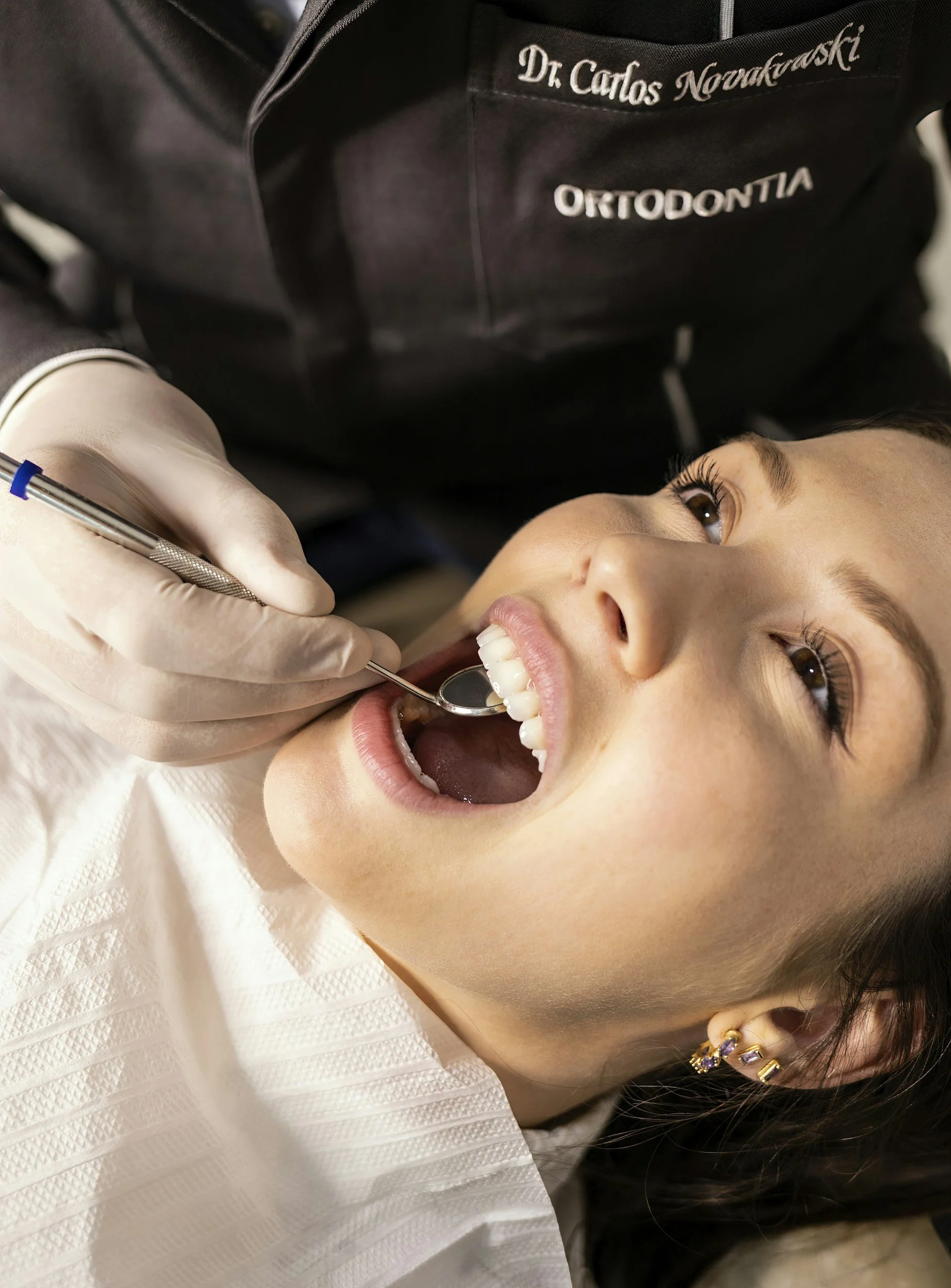
Benefits of Bruxism/TMJ Therapy for Jaw Pain, TMJ Disorders and TMJ Pain
The goal of TMJ therapy and bruxism treatment is to reduce unnecessary pressure on your teeth and jaw and help you regain comfortable movement. Depending on your symptoms and what’s causing them, conservative treatments can provide relief without the need for more involved procedures.
Reduces TMJ pain and discomfort: Treatment can reduce muscle tension around the jaw joint and give overworked jaw muscles a chance to relax. This can ease symptoms like jaw pain, facial soreness, muscle spasms, and discomfort when chewing or opening your mouth.
Protects your teeth from grinding: Repeated grinding and clenching can wear down the chewing surfaces and, if left untreated, can lead to cracks, sensitivity or other tooth damage. A bruxism treatment plan can reduce teeth grinding and protect both the upper and lower teeth from excessive pressure.
Supports healthy jaw function: TMJ problems can make normal jaw movement uncomfortable and can contribute to stiffness or difficulty opening the mouth. Treatment can reduce strain around the temporomandibular joint TMJ area so the jaw can move more comfortably during speaking, eating, and other daily activities.
May improve comfort during sleep and daily activities: Nighttime grinding can cause morning jaw soreness, headaches, and sleep problems. Treating bruxism and related TMJ symptoms can reduce discomfort and help you start the day with less tension around your jaw, face, and neck.
Bruxism/TMJ Therapy Procedure
Your treatment begins with understanding your symptoms and what’s putting extra stress on your jaw and teeth. Since bruxism and TMJ disorders have different causes, we create a treatment plan based on your dental health, jaw function, symptoms, and individual needs.
Step 1: Discussing your symptoms and concerns
We ask about symptoms like jaw pain, TMJ pain, headaches, ear pain, clenching, grinding, sleep problems, or discomfort when chewing. We may also ask when the symptoms occur, how long they’ve been present, and if activities like chewing gum or eating certain foods make them worse.
Step 2: Examining your teeth and jaw joint
A custom night guard may be recommended to prevent bruxism from putting direct pressure on the teeth while you sleep. Unlike a basic hard plastic guard purchased without a dental evaluation, a custom appliance is made to fit your mouth and bite, and it helps protect the teeth while reducing unnecessary stress caused by nighttime grinding and clenching.
Step 3: Looking for contributing factors
We evaluate how your symptoms respond and make changes when necessary. If conservative treatments don’t provide enough relief, other treatments may be considered based on your condition, which can include physical therapy with a physical therapist, muscle relaxants coordinated with an appropriate medical provider, Botox (botulinum toxin) injections in suitable cases, or further evaluation when surgery or another form of care may need to be considered.
Step 4: Creating an individualized treatment plan
We examine the teeth for signs of grinding, such as worn chewing surfaces, cracks, sensitivity, and other tooth damage. We also evaluate the jaw joint area, lower jaw movement, chewing muscles, and surrounding tissues for tenderness, muscle fatigue, muscle spasms, unusual sounds, or difficulty opening the mouth.
Step 5: Using a custom appliance when necessary
Understanding teeth grinding means looking beyond the teeth themselves. Stress, sleep disorders, other sleep disorders like sleep apnea, bite concerns, missing teeth, muscle tension, and certain habits may contribute to bruxism symptoms or TMJ problems, so identifying the underlying cause can guide treatment.
Step 6: Monitoring your progress and adjusting treatment
Depending on your findings, treatment options may include changes to daily habits, custom-fit night guards, relaxation techniques, or other conservative treatments. In some cases, we may also discuss soft foods for a limited period, using an ice pack as directed, reducing gum chewing, or other methods that allow irritated chewing muscles and the joint to rest.
Why Choose Sequoyah Dental for Bruxism/TMJ Therapy
At Sequoyah Dental, we understand that TMJ pain and bruxism can affect much more than your teeth. Our goal is to carefully evaluate your symptoms, explain what may be happening, and recommend practical treatment based on your individual needs. When you visit us for Bruxism/TMJ Therapy in Fayetteville, we focus on helping protect your dental health while improving everyday comfort and jaw function.
Individual evaluation and treatment options: Bruxism and temporomandibular disorders don’t affect everyone the same way, so we consider your symptoms, jaw movement, tooth wear, and daily habits before recommending treatment. This allows us to select an approach that addresses your specific concerns instead of the same treatment for every patient.
Conservative treatments: When possible, we start with simple approaches to ease symptoms and reduce jaw stress. These may include relaxation techniques, habit changes, custom-fit night guards, temporary diet changes, and other methods that support comfortable jaw movement.
Protection for your teeth and jaw: Grinding can gradually damage teeth and add extra pressure to the jaw muscles and joints. Our treatment approach reduces grinding, limits further tooth damage, and supports long-term jaw health.
Clear guidance throughout your care: We explain what we find, why certain treatment options may be helpful, and what you can do at home to support your progress. If your condition requires physical therapy, orthodontic treatment, medical evaluation, or another type of care, we can explain why that additional step may be necessary.
FAQs
-
Common symptoms include teeth grinding, clenching, jaw pain, headaches, facial soreness, and tired or tight jaw muscles. Some patients also experience TMJ pain, ear pain, neck discomfort, clicking or grating sounds, or tenderness around the joint. Bruxism symptoms may also include flattened or damaged chewing surfaces, sensitive teeth, and morning discomfort. TMJ symptoms can sometimes cause difficulty opening the mouth wide or make chewing uncomfortable. At Sequoyah Dental, we evaluate these symptoms together to determine if bruxism, TMJ problems, or another medical condition could be causing your discomfort.
-
We first try to determine if stress, sleep, bite concerns, daily habits, or another factor is contributing to your grinding. Relaxation techniques and reducing muscle tension may help some patients who clench their jaw during stressful periods. Limiting gum chewing and paying attention to daytime clenching can also help give the chewing muscles more time to rest. For nighttime grinding, we may recommend a custom-fit night guard to protect the teeth and reduce the effects of grinding while you sleep. Since there is no one way to prevent bruxism in every patient, we base our recommendations on your symptoms and the underlying cause.
-
A night guard can be helpful when grinding or clenching is causing tooth wear, muscle tension, or jaw discomfort. We create custom fit night guards for your teeth and bite not one size fits all appliances. The guard acts as a barrier between the upper and lower teeth to limit damage from grinding. A night guard can protect your teeth and may help with symptoms related to muscle strain, but it doesn’t address every cause of TMJ pain. We will evaluate your jaw and symptoms first to determine if a night guard is part of your TMJ therapy.
-
We start with conservative treatments based on the severity and possible cause of your symptoms. Recommendations may include eating soft foods, avoiding gum chewing, applying an ice pack as directed, relaxation techniques, or a custom dental appliance. Physical therapy may also be considered to improve jaw movement and reduce muscle tension, and muscle relaxants may be discussed with an appropriate medical provider. For some patients, Botox injections using botulinum toxin may be considered to reduce muscle activity in the muscles involved in clenching, although this is not for everyone. Surgery is generally considered only in specific cases when other treatments have not provided enough improvement, and the condition requires more involved care.
-
Yes, sleep bruxism can occur with sleep problems including sleep apnea and other sleep disorders, although grinding doesn’t automatically mean you have a sleep disorder. We may ask about snoring, disrupted sleep, morning headaches, daytime tiredness, or other symptoms when evaluating nighttime grinding. Many children and adults can grind their teeth for different reasons, so bruxism alone doesn’t mean you have a sleep disorder. If your symptoms suggest a sleep-related medical condition could be involved, we may recommend further evaluation rather than treating the grinding alone. Addressing underlying factors can be part of treating bruxism and overall dental and sleep health.
Schedule Your Consultation Today!
You don’t have to live with jaw pain, grinding, clenching, or other symptoms that make eating, speaking, or sleeping uncomfortable. Sequoyah Dental offers Bruxism/TMJ Therapy in Fayetteville to help you figure out what’s going on and find solutions for you. We’ll evaluate your teeth, jaw, joint, and chewing muscles and explain your options in plain language. Call (479) 313-7373 to schedule today or use our online form to request an appointment.