
Dental Bridges in Fayetteville, AR

If you have one or more missing teeth, everyday activities like eating, speaking, and smiling can become more difficult. The gap left by a missing tooth can also allow neighboring teeth to shift and affect your bite over time. At Sequoyah Dental, we offer dental bridges in Fayetteville to replace missing teeth and restore a natural-looking, functional smile. Our dentist will evaluate your mouth, remaining teeth, and oral health to determine if a bridge is right for you.
What are Dental Bridges?
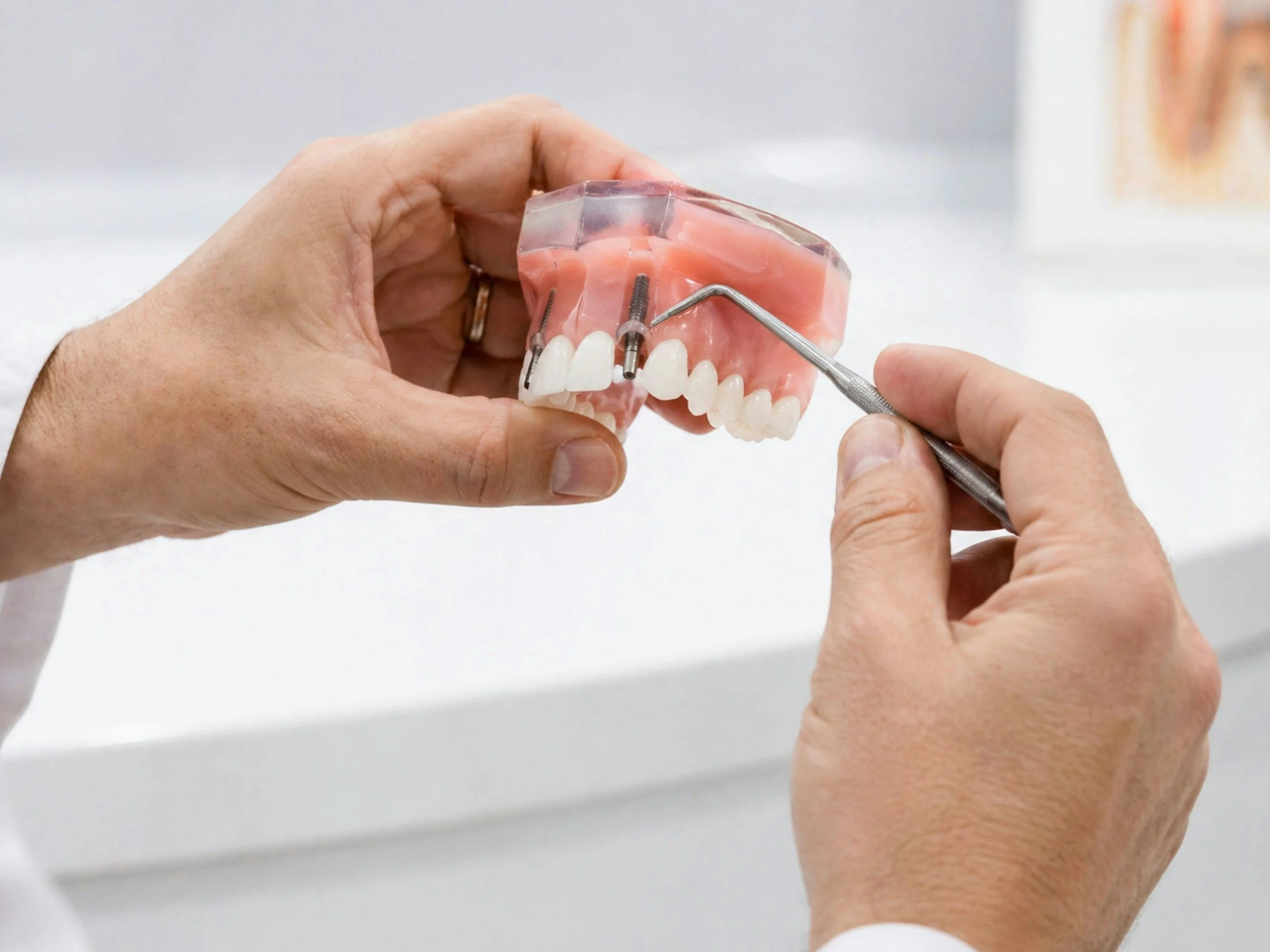
Dental bridges are restorations designed to fill a gap created by one or more missing teeth. A dental bridge consists of one or more artificial teeth, called pontics, that replace the missing teeth and are supported by natural teeth, dental crowns, or dental implants. Depending on the type of bridge, the supporting teeth may be called abutment teeth. The goal is to create a stable restoration that fits with your bite and helps your smile look complete again.
There are several types of dental bridges, including traditional bridges, cantilever bridges, Maryland bridges, and implant-supported bridges. A traditional dental bridge, the most common type, uses dental crowns placed over healthy teeth on both sides of the gap, while a cantilever dental bridge may be supported from only one side. A Maryland bridge, sometimes called a resin-bonded bridge, uses a framework bonded to the back of neighboring teeth. An implant-supported bridge is anchored by implants placed in the jawbone instead of relying entirely on surrounding teeth.
Benefits of Dental Bridges
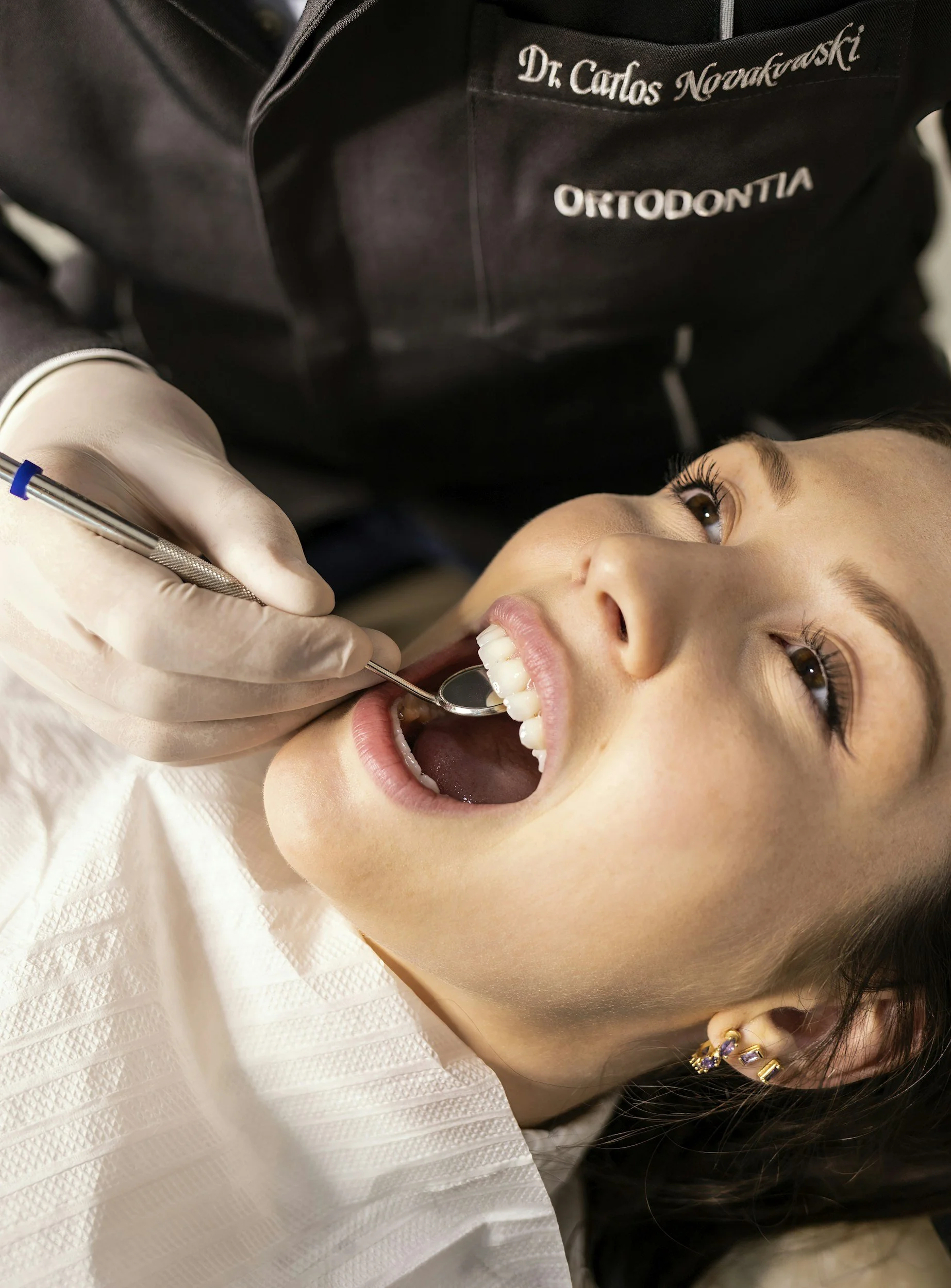
Dental bridges can provide both practical and cosmetic benefits when teeth are missing. A properly planned new dental bridge can help restore your bite, support your remaining teeth, and give you more confidence in your smile.
Eat and speak more naturally: Missing teeth can make it harder to chew certain foods or speak properly. Bridges restore the missing portion of your smile so you can use your teeth more naturally during everyday activities.
Keep surrounding teeth in place: When a tooth is missing, other teeth may gradually move towards the open gap. A bridge fills that space and can help neighboring and surrounding teeth maintain their proper positions.
Improve the appearance of your smile: The false tooth or teeth in a bridge can be made to match the shape and appearance of your natural teeth. This can create a more complete, confident smile, especially when missing front teeth are visible.
Function every day: Replacing missing teeth can improve how your upper and lower teeth fit together when you bite. With proper care, dental bridges can be a stable and practical solution for restoring function to your mouth.
Dental Bridge Procedure
The dental bridge process varies depending on how many teeth are missing, where the gap is located, the health of your natural teeth, and the type of restoration you choose. Your dentist will also consider your jawbone, gum disease, surrounding bone, personal preferences, and whether dental implants or crowns are appropriate.
Step 1: Initial examination and consultation
Your first appointment starts with an evaluation of your teeth, gums, bite, and overall oral health. We look at the missing area, the sides of the gap, your remaining teeth, and any other teeth that could affect treatment before we recommend a bridge.
Step 2: Choosing the right bridge
When your final bridge is ready, we check its appearance, fit, and how it meets your other teeth when you bite. For many traditional restorations, the bridge is bonded to the prepared teeth with dental cement, while implant-supported bridges connect to dental implants.
Step 3: Preparing the supporting teeth
We explain how to brush, use floss threaders, and clean underneath your bridge where food and plaque can collect. Regular dental visits and good home care help protect the supporting teeth, gums, and bridge over the long term.
Step 4: Creating your bridge
We discuss the types of dental bridges that may be right for you. Depending on the location and condition of your teeth, this could be a traditional bridge, a Maryland bridge, a cantilever bridge, or an implant-supported bridge.
Step 5: Checking and placing the final bridge
For a traditional bridge, the teeth on both sides of the missing space are typically prepared to receive dental crowns. These supporting teeth, also called abutment teeth, must be able to provide a stable foundation for the artificial teeth between them.
Step 6: Follow-up and home care
Detailed information about your teeth and bite is used to create a bridge that matches the right size, shape, and fit for your mouth. A temporary bridge may be used to protect the prepared teeth and gap while the final bridge is being completed.
Why Choose Sequoyah Dental for Your Dental Bridges?
At Sequoyah Dental, we take a patient-centered approach to dental bridges in Fayetteville, considering your dental health, smile, and everyday needs before we recommend treatment. We explain your options in plain language so you understand what your bridge involves and why it may be right for you. Our goal is to provide thoughtful care that restores your smile while protecting your long-term oral health.
Treatment tailored to you: Not every missing tooth should be replaced the same way. We look at the gap, surrounding teeth, gum health, jawbone, bite, and personal preferences when discussing bridges, implants, or partial dentures.
Clear explanations before treatment: Patients often ask if dental bridges are permanent, what dental bridges cost, and how they will feel. We explain the recommended procedure, expected care, and options so you can make an informed decision.
Comfort and function: A bridge should do more than just fill a gap. We evaluate how the restoration fits with your bite and other teeth so it can support comfortable chewing and speaking.
Ongoing care after placement: Proper care is important after your permanent bridge is placed. We can show you how to brush and floss around the restoration and monitor your teeth, gums, and bridge during routine dental appointments.
FAQs
-
One of the most common questions we get is how many teeth a dental bridge can replace. A bridge can replace one tooth or, in some cases, several consecutive teeth depending on the location of the gap and the support available. We evaluate the health of the abutment teeth, surrounding bone, gums and bite before we recommend how many missing teeth should be included. Longer bridges require more support and dental implants may be considered when several teeth are missing. We will recommend an approach that provides the right stability for your mouth.
-
Patients ask if dental bridges are permanent, and we generally describe them as fixed restorations because you don’t remove them like removable partial dentures. Traditional bridges are bonded to supporting crowns while implant-supported bridges are connected to implants. But permanent doesn’t mean it will last for the rest of your life. Their longevity depends on your oral health, bite, home care, supporting teeth, and regular dental visits. We recommend proper brushing, flossing, and routine examinations to help protect the bridge and the teeth that support it.
-
Dental bridge costs vary because every patient is different. We consider the number of missing teeth, type of bridge, materials used, whether crowns or implants are needed, and the complexity of treatment. Your dental insurance may cover some of the cost, but benefits vary between plans. We can review the treatment we recommend and discuss the information available on fees and insurance coverage. For some patients, bridges can be a cost-effective way to replace missing teeth compared to other options depending on their individual needs.
-
Patients often ask if bridges feel like their natural teeth after treatment. A new dental bridge may feel slightly different at first because your mouth needs time to adjust to the restoration. Once you get used to it, a well-fitted bridge should allow you to bite, chew, smile, and speak comfortably. Since artificial teeth don’t have the same structure as natural teeth, the sensation won’t be the same as your original teeth. We check the fit and bite and encourage you to call us if something still feels uncomfortable or unusual.
-
We don’t consider a bridge or dental implants better for every patient because each option has its own benefits. A bridge may use crowns on natural teeth on either side of the gap, while implants receive support directly from the jawbone and can help avoid preparing certain neighboring teeth. Implants can also help maintain surrounding bone since missing teeth can contribute to bone loss over time. However, your health, available bone, number and location of missing teeth, treatment goals, and personal preferences all influence which option may be right for you. We will examine your mouth and explain the pros and cons of both options before we help you decide.
Schedule Your Consultation Today!
If missing teeth are affecting your smile, bite, or ability to eat comfortably, Sequoyah Dental can help you explore your options for dental bridges in Fayetteville. We will evaluate your teeth and oral health, discuss the benefits of treatment, and determine if a traditional bridge, cantilever bridge, Maryland bridge, implant-supported bridge, or another solution is right for you. We will also explain the bridge procedure and answer your questions before treatment begins. Call (479) 313-7373 to schedule an appointment and talk to our team about replacing your missing teeth. We look forward to helping you get a comfortable, functional, and confident smile.