
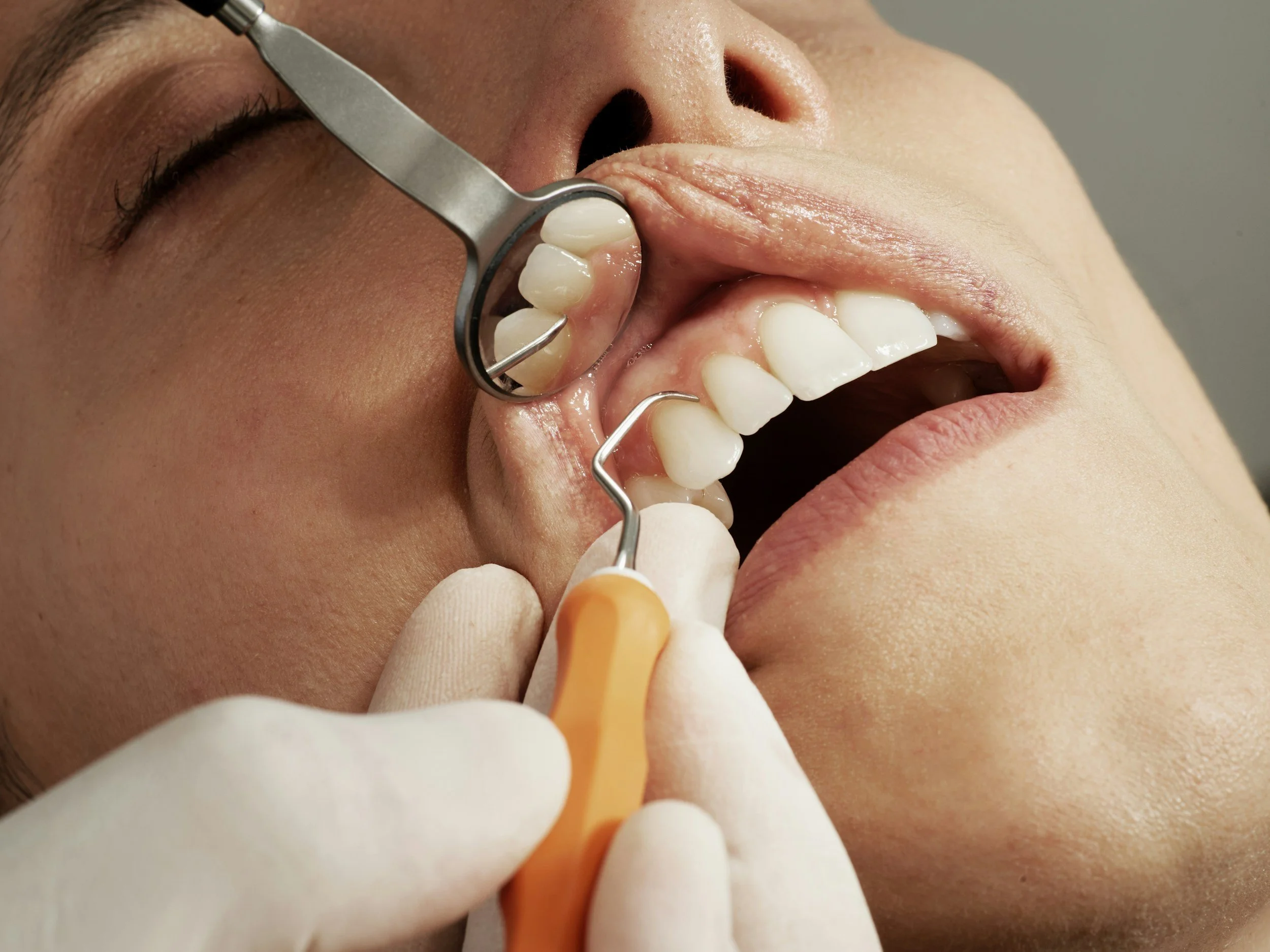
Teeth Extractions in Fayetteville, AR

A damaged, decayed, or infected tooth can make eating, sleeping, and going about your day uncomfortable. In some cases, the pain may continue even after other treatments have been tried, or a tooth may be putting other teeth and your overall oral health at risk. At Sequoyah Dental, we do teeth extractions in Fayetteville when removing an affected tooth is the best way to relieve discomfort and protect the rest of your mouth. Our dentist will evaluate your teeth, gums, and jaw before recommending an extraction and will explain what to expect before, during, and after your appointment.
What is an Extraction?
An extraction is a procedure in which a dentist removes a tooth from its socket in the jawbone. An extraction may be recommended for various reasons, including severe tooth decay, infection, advanced gum disease, significant damage, or a tooth that doesn’t have enough room to grow normally. Although keeping your natural tooth is always preferred whenever possible, extraction may be recommended when the tooth can’t be repaired or when leaving it in place could cause other problems.
There are different ways to remove a tooth depending on the position and condition of the affected tooth. When a tooth is visible above the gum line, the dentist may loosen it before using forceps to remove it from the socket. A surgical extraction may be needed for impacted teeth, broken teeth, or teeth that are partly or completely beneath the gum. This type of surgical procedure may involve making a small incision in the gum so the dentist can reach and remove the tooth.
Wisdom teeth are a common reason patients need an extraction, especially when they become impacted or there is not enough room in the jaw for them to come in properly. But wisdom teeth are not the only teeth that may need to be removed. A tooth may also need to be removed when it’s badly decayed, severely infected, damaged below the gum line, or affected by advanced gum disease.
Before we recommend teeth extractions in Fayetteville, we review your dental and medical history and examine the area carefully. Depending on your needs, we may also evaluate the surrounding bone, jawbone, and other teeth to understand the condition of the extraction area. This helps us determine if extraction is the best option or if other treatments can repair and preserve the natural tooth.

Benefits of Teeth Extractions
Removing a tooth is not always the first treatment considered, but it can be beneficial when a tooth can’t be saved. The goal of teeth extractions in Fayetteville is to address the dental problem while protecting your comfort, oral health, and surrounding teeth.
Relief from a severely damaged or infected tooth: A severely infected or decayed tooth can cause ongoing pain and make it difficult to bite or chew normally. Removing the affected tooth can eliminate the source of the problem when repair is no longer an option.
Protection for other teeth and gums: Infection and advanced gum disease around one tooth may sometimes affect nearby gum tissue, bone, or other teeth. Tooth removal can address the source of the infection and may prevent the dental problem from becoming more difficult to manage.
More room for impacted or crowded teeth: Impacted teeth and wisdom teeth may create pressure when there is not enough room in the mouth or jaw. Extraction may be recommended to reduce these problems and protect nearby teeth from damage.
Preparation for replacing missing teeth: After healing, some patients may be able to replace missing teeth with dental implants, partial dentures, or another option. We can discuss replacement treatment based on the number of teeth removed, your jawbone, oral health, and individual needs.
Extraction can also make it easier to address a dental problem that has not responded well to other treatments. Every situation is different, so we don’t recommend having a tooth pulled without first examining the tooth and discussing reasonable alternatives.
Teeth Extractions Procedure
The exact extraction procedure will depend on which tooth needs to be removed, if it’s visible above the gum line, and whether surgery is needed. Before treatment begins, we will explain each part of the procedure so you understand what will happen and can ask questions about pain management, dental anxiety, healing, and aftercare.
Step 1: Consultation and examination
Your appointment begins with an evaluation of the affected tooth, surrounding teeth, gum, and jaw. We also review your medical history, medications, previous dental treatment, and other information that may affect the procedure or how your tooth extraction healing process progresses.
Step 2: Planning the extraction
After the tooth is removed, we inspect the socket and extraction area. Gauze is placed over the socket, and you’ll be asked to bite down gently to help control bleeding and support the formation of a blood clot.
Step 3: Comfort during the procedure
Before you leave, we’ll give you instructions on how to care for the socket and manage any swelling or discomfort. Rest, avoid strenuous activity, use an ice pack as directed, and follow your aftercare instructions to help your body heal and repair the extraction site.
Step 4: Removing the tooth
We determine whether the tooth can be removed with a standard extraction or if a surgical tooth extraction is needed. Complex cases, impacted teeth, multiple teeth, or certain wisdom teeth may require additional planning, and some situations may require care involving an oral surgeon.
Step 5: Protecting the socket
Local anesthesia is used to numb the tooth and surrounding area so you’re comfortable during treatment. You may also hear the term local anaesthetic, which refers to medication used to numb a specific area; in some cases, sedation or general anaesthesia may be considered depending on the procedure and individual circumstances.
Step 6: Recovery
For a simple extraction, the dentist removes the tooth by loosening it with dental instruments before lifting it out with forceps. For a surgical extraction, a small incision may be made in the gum, and sometimes a small amount of surrounding bone may need to be removed so the tooth can be removed safely.
Why Choose Fayetteville Dental for Your Teeth Extractions
At Fayetteville Dental, we understand that having a tooth pulled can make some patients nervous, especially if they have dental anxiety or have never had an extraction before. We take the time to explain the treatment, answer your questions, and discuss ways to keep you comfortable throughout the procedure. We also provide clear guidance on recovery, replacement options, and factors that may affect your tooth extraction cost.
Individual evaluation before treatment: We evaluate the tooth and surrounding area before recommending removal. If another reasonable treatment could save your natural tooth, we can discuss that option before moving forward with extraction.
Clear explanations throughout your visit: We want you to understand why an extraction is being recommended and what will happen during the procedure. You’ll also receive practical instructions on eating, rinsing, bleeding, swelling, rest, and caring for the extraction area at home.
Comfort-focused care: We can discuss local anesthesia and comfort options before treatment, especially if you have dental anxiety. Our goal is to make the procedure as smooth and manageable as possible while addressing the dental problem.
Beyond the extraction: Removing a tooth can leave a gap that affects your bite, appearance, or ability to chew. We can discuss dental implants, partial dentures, or other options for replacing missing teeth once the area has had time to heal.
The tooth extraction cost is not the same for every patient as treatment needs vary. A simple extraction may require different care than removing impacted teeth, multiple teeth, or a tooth that requires oral surgery. We can give you more information after your consultation and examination.
FAQs
-
You’ll notice improvement over the days following an extraction, but complete healing below the gum takes longer. We’ll give you instructions on how to care for the socket while your body forms new tissue and repairs the area. During early recovery, we recommend rest, soft foods, gentle oral hygiene, and no strenuous activity as directed. Contact us if pain or swelling gets worse instead of better or if you experience unusual bleeding or other concerns. Every procedure is different, so we can give you a better estimate of healing time after we evaluate the tooth and complete the extraction.
-
We use local anesthesia to numb the area so you shouldn’t feel sharp pain while the tooth is being removed. You may feel pressure or movement as we loosen and remove the tooth, especially during a standard extraction. For more complex surgery or patients with dental anxiety, we can discuss comfort options based on the procedure and your medical history. Some soreness and swelling can be normal after the anesthesia wears off, and we’ll explain how to manage these symptoms at home. If you experience severe or increasing pain after treatment, contact us so we can check for complications such as infection or dry socket.
-
We recommend soft foods during the early stage of recovery as they require less chewing and are less likely to irritate the socket. Choose foods that can be eaten comfortably without putting pressure on the extraction area and chew on the opposite side when possible. Avoid hard, sharp foods or foods that can get stuck around the healing socket until the area has recovered enough for your normal diet. Follow our instructions regarding alcohol and other drinks or habits that can interfere with the blood clot or healing process. We will give you specific aftercare instructions as the diet may vary depending on the number and location of teeth removed.
-
We may recommend a surgical extraction when a tooth can’t be removed through a standard extraction, such as when it’s impacted, broken below the gum line, or difficult to reach. Impacted wisdom teeth are a common example, as they may be partly or completely under the gum or bone when there’s not enough space in the jaw. During the surgery, a small incision may be made in the gum to access the tooth, and additional steps may be necessary. More complex cases may require additional planning or care from an oral surgeon depending on the patient’s needs. We determine the best approach after examining your mouth, reviewing your medical history, and assessing the tooth and surrounding jawbone.
-
After a tooth is removed, a blood clot forms in the socket and protects the area while healing begins. Not every extracted tooth needs to be replaced, and wisdom teeth are a common example of teeth that usually don’t need to be replaced after removal. When another natural tooth is lost, we may discuss replacement options as missing teeth can affect chewing, your bite, and the position of other teeth. Depending on your oral health, available bone and treatment goals, possible options may include dental implants, partial dentures, or another suitable restoration. We can discuss these options during your consultation or after the extraction area has had time to heal.
Schedule Your Consultation Today!
Do you have a tooth that’s painful, damaged, decayed, infected, or impacted? Call Sequoyah Dental to see if an extraction or another treatment is needed. Our team will examine your mouth, discuss your symptoms and medical history, and explain your options before we recommend treatment. For teeth extractions in Fayetteville, call (479) 313-7373 to schedule an appointment and talk to our team. We can answer questions about the procedure, recovery, tooth extraction cost, dental implants, and what to expect after a tooth is removed. Contact Sequoyah Dental today to get help and find out what to do next for your oral health.