
Dental Crowns in Fayetteville, AR

A broken tooth, large cavity, or weak tooth can make everyday activities like eating and speaking uncomfortable and leave you worried about further damage. In some cases, a filling alone may not provide enough protection for the remaining natural tooth. At Sequoyah Dental, we offer dental crowns in Fayetteville to restore damaged teeth, improve their appearance, and help you maintain a comfortable natural smile. A custom dental crown covers and protects the treated tooth while restoring its shape and function. If you think you may need a dental crown, our dentist can examine your mouth and explain if a crown is the right treatment for you.
What Are Dental Crowns
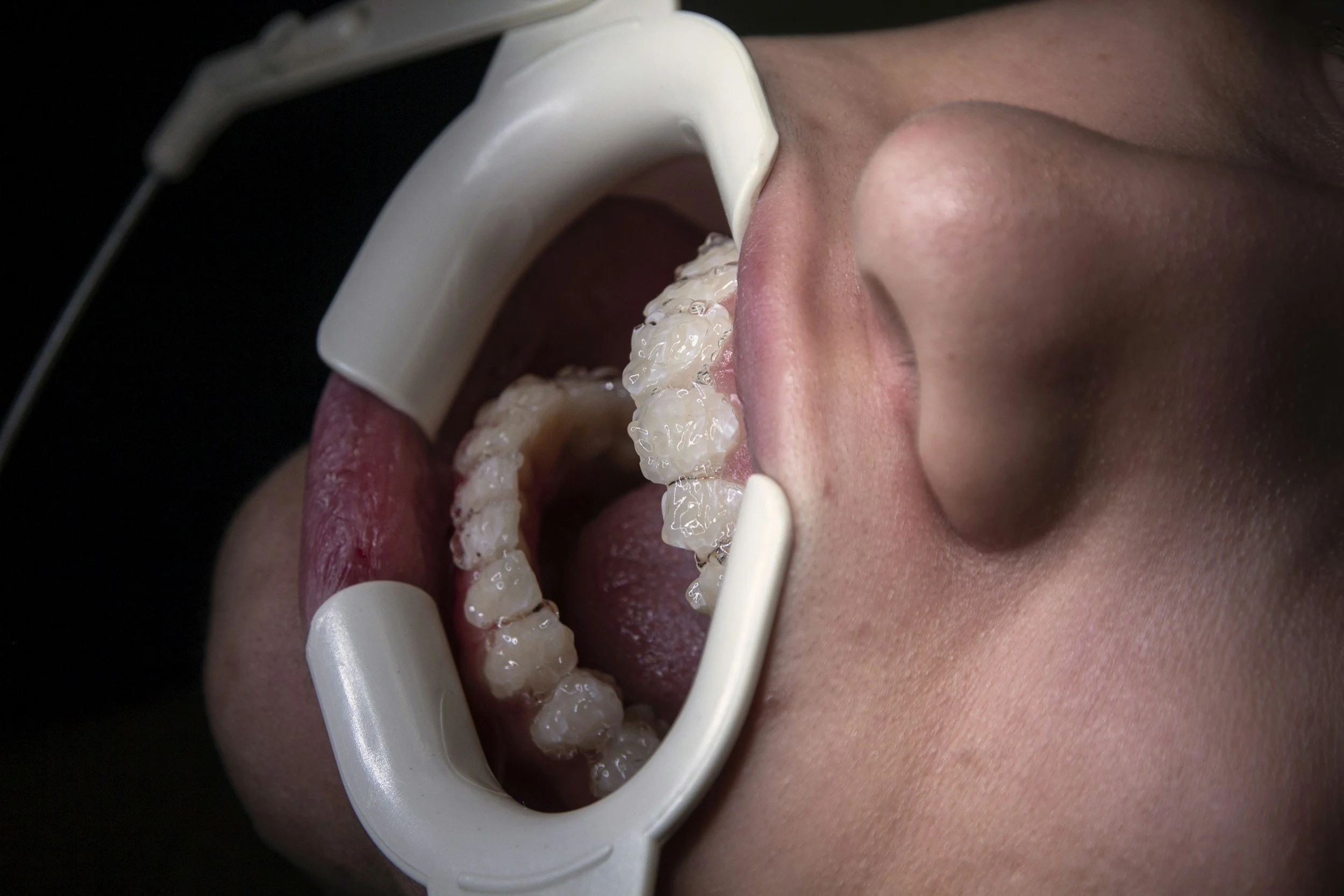
Dental crowns are restorations used to cover and protect damaged or weakened teeth. A dental crown is like a tooth-shaped cap that covers the entire tooth above the gum line to restore its shape, strength, and appearance. A dental cap may be recommended for a decayed tooth, cracked tooth, broken tooth, weak tooth, or a tooth that has had a root canal. Crowns can also complete a dental implant or support a dental bridge used to replace missing teeth.
Dental crowns can be made from various materials including porcelain crowns, zirconia crowns, metal crowns, and porcelain fused to metal or PFM crowns. All porcelain crowns are often chosen for their natural look, while metal crowns and other materials may provide added strength in areas that are exposed to heavier chewing. During your initial consultation, our dentist can discuss the different materials and recommend a custom crown based on the location of the tooth, your bite, appearance preferences, and overall oral health.
Benefits of Dental Crowns
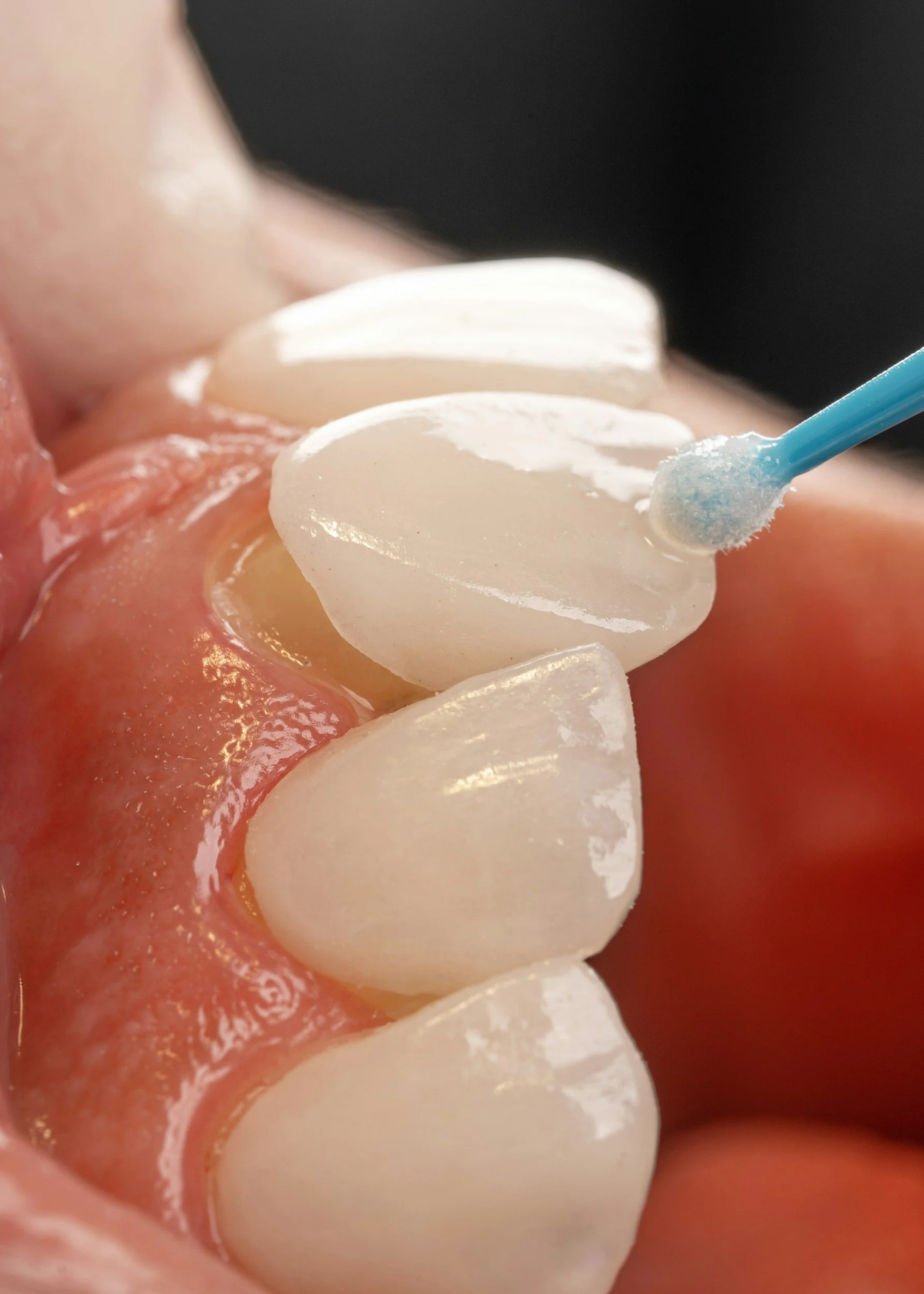
Dental crowns can provide both restorative and cosmetic benefits. Whether you have a weak, damaged, or heavily filled tooth, a crown can provide additional coverage and help you continue to use the tooth comfortably.
Protect a weak or damaged tooth: A crown covers the visible part of a weak tooth and can help reduce the risk of further damage. This may be useful when significant decay or a large filling has left limited healthy tooth structure.
Restore normal function: A properly designed crown restores the shape and chewing surface of a damaged tooth. This can make eating more comfortable and allow the restored tooth to work with your other teeth.
Improve your smile: Porcelain and zirconia restorations can be chosen to match surrounding teeth for a more natural smile. The size, shape, and shade of the restoration can be planned so the new crown blends with your smile.
Support multiple restorative treatments: Crowns can restore a tooth after a root canal, cover certain dental implants, or help anchor a dental bridge. This versatility allows crowns to address multiple restorative needs while protecting or replacing teeth.
Dental Crown Procedure
The dental crown process begins with an evaluation of the tooth and surrounding area. Traditional crowns usually require two visits, although the process may vary depending on your treatment needs and the type of crown being used.
Step 1: Initial consultation and exam
At the initial visit, we examine the affected tooth, nearby teeth, and gums to determine the extent of the problem. We may take X-rays when needed to evaluate the tooth and determine if a crown or another treatment is needed.
Step 2: Preparation of the tooth
Depending on the treatment process, traditional dental crowns made by a laboratory may take approximately 2-3 weeks to be ready. Some practices may also offer same-day dental crowns, but availability and whether this is an option depends on the equipment, material, and individual treatment plan.
Step 3: Design of the crown
At the second visit or second appointment, the temporary restoration is removed, and the permanent crown is checked. We evaluate how the crown fits, how your teeth come together, and how the restoration looks before cementing it in place.
Step 4: Temporary crown
During the first visit, the dentist removes damaged areas and carefully shapes the tooth so there is enough room for the crown. If significant damage or decay is present, the tooth may need additional treatment or support before the crown can be placed.
Step 5: Permanent restoration
Measurements or impressions are taken so your custom dental crown can be designed for your tooth and bite. When crowns are produced by a dental lab, these records provide the information needed to create the right size, shape, and biting surface.
Step 6: Final crown
A temporary crown may be placed while the permanent restoration is being created. Patients with a temporary crown should be careful with very hard or sticky foods, as these can loosen or damage the temporary restoration.
Why Choose Sequoyah Dental for Your Dental Crowns in Fayetteville?
Choosing where to get dental crowns in Fayetteville is an important part of restoring your smile. At Sequoyah Dental, we focus on understanding what has happened to your tooth and recommending treatment based on its condition, function, and appearance. We want to provide clear information so you can make an informed decision about your dental care.
Personalized treatment planning: Every tooth and every smile is different, so we evaluate your needs before recommending a crown. We consider the condition of your natural tooth, your bite, the location of the restoration, and your oral health when discussing treatment.
Custom-made restorations: Your custom crown is designed to match the size and shape of your surrounding teeth. We also check how the restoration fits against neighboring and opposing teeth to support comfortable biting and chewing.
Several crown materials to choose from: Different crown materials offer different strengths, appearance, and durability. We can discuss porcelain, zirconia, metal, and other options so you understand the differences before moving forward.
Follow-up care: A crown still requires daily brushing, flossing, and regular dental visits. We can monitor the restoration over time and check for changes in the crown, tooth, gums or bite that may need attention.
FAQs
-
Patients ask, "Are dental crowns painful?" before scheduling treatment. We numb the treatment area when needed so you can be comfortable during the procedure. You may feel pressure during treatment but should not feel significant pain during crown placement. Some sensitivity or gum tenderness can occur after treatment, especially during the first few days or weeks. If discomfort becomes severe, continues to increase, or doesn’t go away, contact our office so we can examine the tooth and crown.
-
When patients ask us, "How long do crowns last?" We say there is no one-size-fits-all answer. Many crowns last 5-15 years, some longer with proper care. The material, bite, oral hygiene, diet, and habits such as grinding or chewing very hard objects can affect longevity. You should notice wear, cracks, looseness, or changes in your bite and let us know if something feels off. Even a well-maintained crown may need to be replaced sooner if it becomes damaged or the natural tooth underneath develops a problem.
-
The answer to "How much do crowns cost?" depends on the material, condition of the tooth, and any additional treatment needed before placement. Your total cost may also vary if the tooth needs other restorative work. During your exam, we can evaluate the tooth and discuss the recommended treatment before you proceed. If you have dental insurance coverage can vary according to your insurance plan, deductible, benefits, and whether the crown meets the plan’s coverage requirements. Our team can help you understand the treatment information you may need to review your insurance benefits.
-
We may recommend a crown when a tooth is too weak or damaged for a smaller restoration to provide enough support. Common reasons you may need a crown include a large cavity, cracked tooth, broken tooth, significant wear, or a tooth that has had a root canal. A crown may also be used as part of a dental bridge or over a dental implant. The crown covers and shields the visible part of a damaged natural tooth while restoring its shape and function. We will examine your tooth first because not every damaged tooth needs a crown, and the right treatment depends on how much healthy structure remains.
-
Patients ask us how crowns are made, and the process depends on the type of restoration. After preparing the tooth, we take measurements or impressions that provide the information needed to create the crown’s shape and biting surface. For a traditional crown, these records are sent to a dental lab where the permanent restoration is made from the selected material. Once it’s ready, we check the fit, bite, shape, and appearance before cementing it to the tooth. With proper home care and regular dental visits, the finished crown can help restore the tooth and support your smile for years.
Schedule Your Consultation Today!
Do you have a cracked, broken, weak, or decayed tooth? Schedule an exam to see if a crown is right for you. Sequoyah Dental offers dental crowns in Fayetteville with treatment tailored to your smile’s health, function, and appearance. We can examine the tooth, discuss crown materials, and what to expect. Call (479) 313-7373 to schedule today. Taking care of a damaged tooth now can prevent further problems and make oral health maintenance easier.