
Dental Implant Crowns & Bridges in Fayetteville, AR

When you have one or more missing teeth, everyday activities like eating, speaking, and smiling can become more difficult. Tooth loss can also leave gaps that affect neighboring teeth, chewing forces, and your overall oral health. At Sequoyah Dental, we offer dental implant crowns & bridges in Fayetteville to replace missing teeth with restorations that look natural, feel comfortable, and function reliably. Whether you need to replace one tooth or several teeth in a row, we will evaluate your gums, jawbone, existing teeth, and overall health to create a personalized plan for your smile.
What Are Implant Crowns & Bridges?
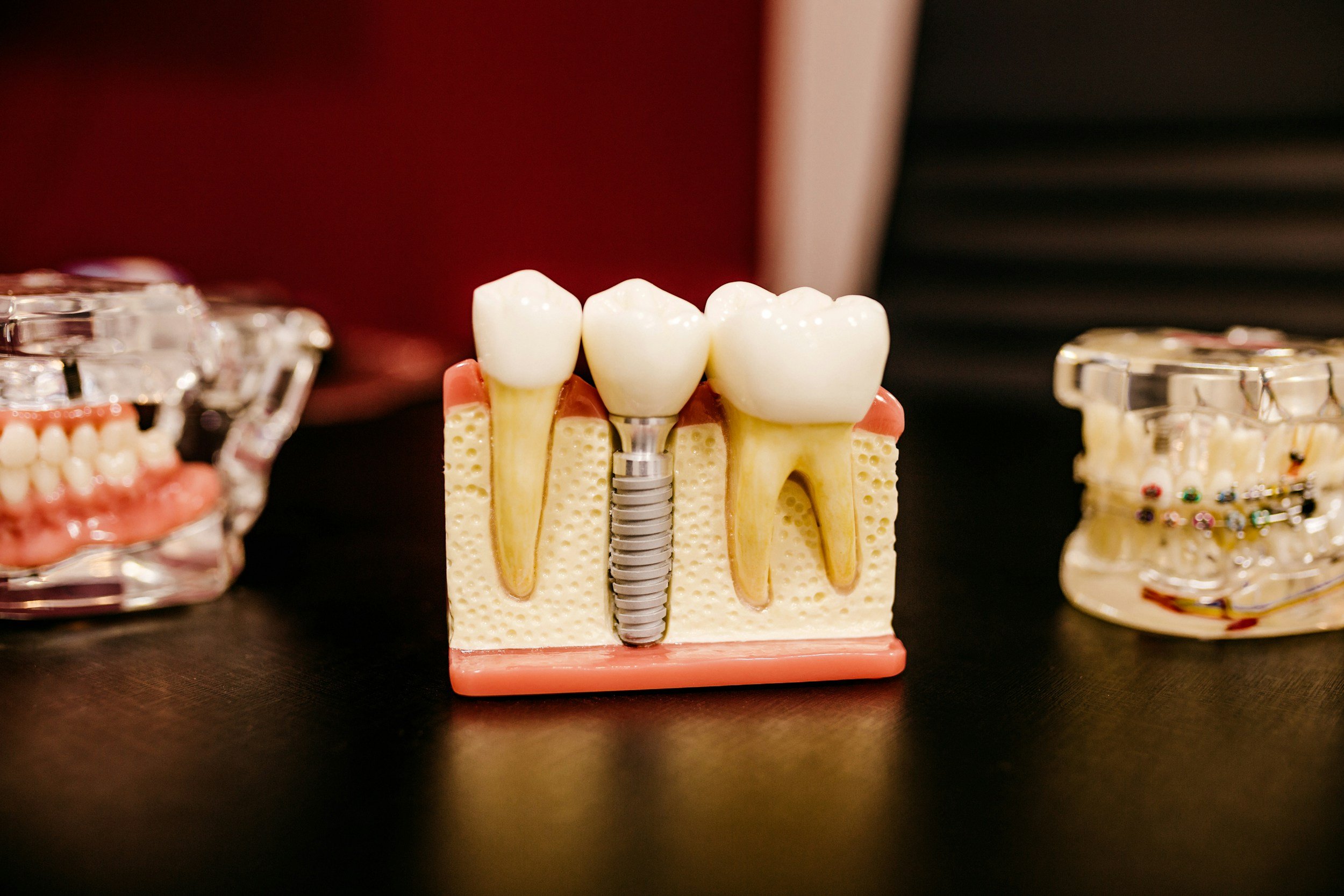
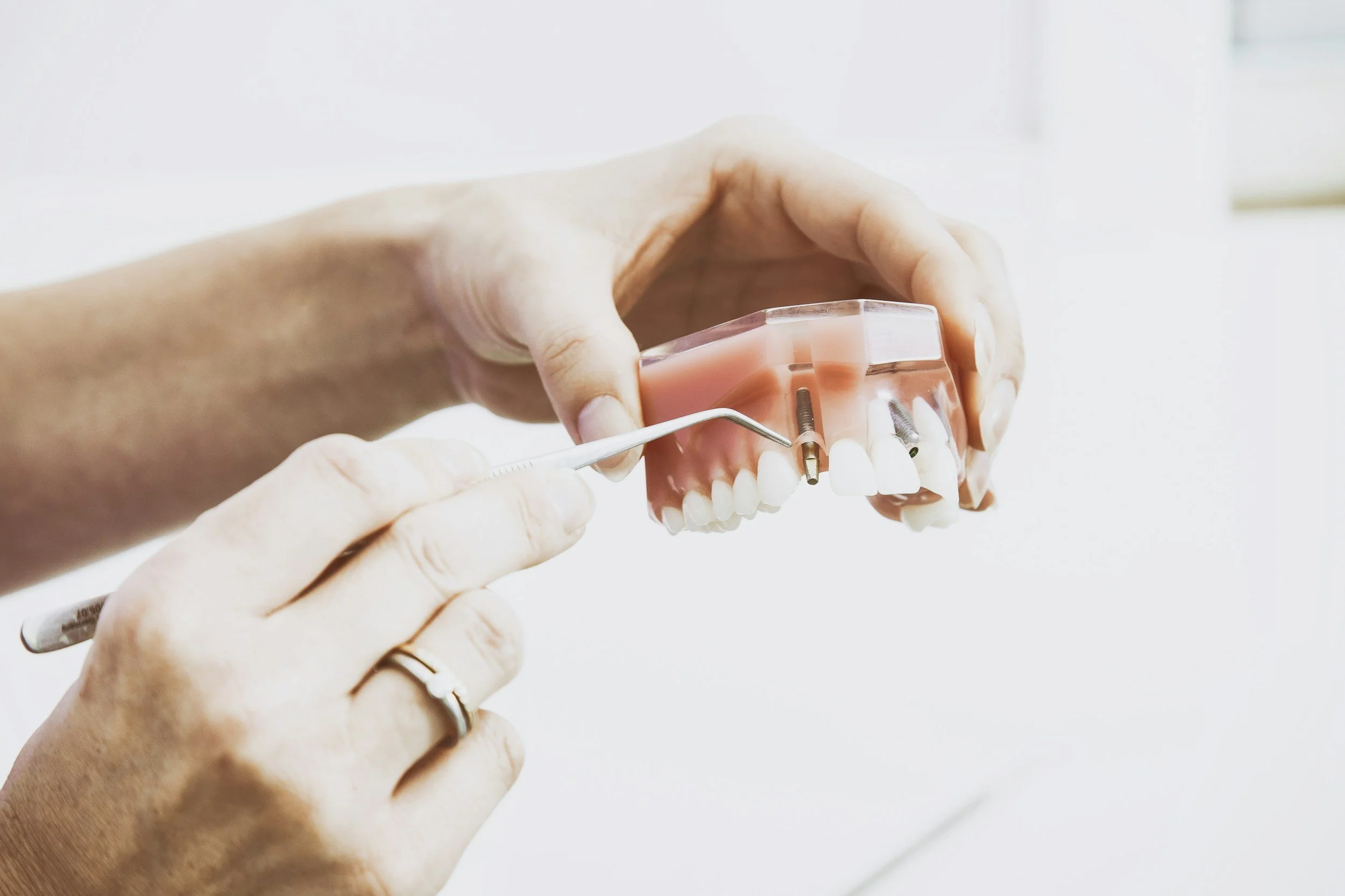
Dental implant crowns and bridges in Fayetteville are restorations used with a dental implant to replace missing teeth. An implant typically includes a titanium post placed in the jawbone and a crown portion that serves as the visible artificial tooth. Implant crowns are used when a patient is missing one tooth, while implant-supported bridges may replace several consecutive teeth. Unlike a traditional dental bridge that may rely on neighboring teeth for support, an implant-supported restoration gets support from implants placed in the jaw.
Dental crowns and dental bridges can be customized to blend with healthy teeth and other teeth in your smile. A custom crown is attached to an implant post after the area has healed, while an implant-supported bridge uses implants to hold multiple replacement teeth. Depending on your needs, other types of dental restorations may include traditional bridges, cantilever bridges, a Maryland bridge, or partial dentures. During your visit, our dentist will consider tooth loss, bone density, gum tissue, oral health, personal preferences, and other key factors before recommending a restoration.
Benefits of Implant Crowns & Bridges
Choosing implant crowns or bridges can provide many benefits beyond filling a space in your smile. These restorations are designed to help restore everyday function while supporting your long-term dental health.
Restore your smile and chewing ability: Implant crowns and bridges replace missing teeth with stable replacement teeth that can help you bite and chew more comfortably. Since the restoration is supported by implants, chewing forces can be distributed in a way that feels more like natural teeth.
Don’t rely on neighboring teeth: A traditional dental bridge may require healthy teeth on either side of a gap to provide support. Implant-supported bridges can replace missing teeth without using those neighboring teeth as the primary anchors for the restoration.
Support the jawbone: When a tooth is lost, bone loss can occur in the area because the jawbone no longer receives the same stimulation. Dental implants placed in the jaw can help maintain support in areas where teeth have been lost, although individual results depend on overall health and bone condition.
Long term tooth replacement option: With proper care, regular brushing, and regular dental visits, implants and their restorations can function long term. Although there may be a higher initial cost than some traditional options, considering durability and long-term costs can make implant treatment a cost-effective choice for some patients.
Implant Crowns & Bridges Procedure
The process for Implant Crowns & Bridges in Fayetteville varies based on the number of missing teeth, the condition of your gums and jaw, and whether additional care is needed before implant surgery. We explain each stage clearly so you know what to expect from surgery through placement of the final crown or bridge.
Step 1: Dental examination and personalized plan
We start by examining your teeth, gums, jaw, and overall oral health. We look at bone density, existing teeth, tooth decay, tooth loss, and your overall health to determine if you are a good candidate for a dental implant and develop a personalized plan.
Step 2: Preparation of the treatment area
Once healing has progressed, we plan the custom crown or bridge so its shape, size, and appearance blend with your natural tooth structure and other teeth. Depending on the treatment process, a second visit may be needed to check the fit, bite, and appearance before the final restoration is completed.
Step 3: Dental implant placement
The final crown or bridge is attached to the implant or implants according to the restoration design. Unlike some traditional restorations that may rely on dental cement or filling material, an implant restoration is connected to its implant support, making it a stable solution for everyday use.
Step 4: Healing and temporary restoration
Some patients may need tooth extraction before an implant can be placed, while others may already have a healed space from a previously missing tooth. If there is not enough bone to support an implant, bone grafts may be discussed to help prepare the jawbone before surgery.
Step 5: Custom restoration
During implant surgery, a titanium post is carefully placed in the jaw to serve as the foundation for the replacement tooth. Depending on the treatment plan, the implant placement may be done by the dentist or coordinated with an oral surgeon when appropriate.
Step 6: Final crown or bridge placement
The implant needs time to become stable in the jawbone before it can support the permanent restoration. During the first few weeks and the rest of the healing period, a temporary bridge or another temporary option may be recommended when appropriate so the area remains protected and your smile remains functional.
Why Choose Sequoyah Dental for Implant Crowns & Bridges?
At Sequoyah Dental, we approach Implant Crowns & Bridges in Fayetteville with comfort, function, appearance, and long-term oral health in mind. We take the time to understand your concerns and explain the types of restorations that may work for your situation. From determining if you’re a good candidate to caring for the finished restoration, we want to guide you through the process.
Treatment tailored to your needs: Every smile, jawbone, gum, and tooth replacement need is different. We consider bone density, health, existing teeth, missing teeth, and personal preferences when creating your treatment plan.
Natural-looking restorations: Your replacement teeth should work well and fit naturally into your smile. We plan the size, shape, and appearance of crowns and bridges so they match your front teeth, back teeth, and surrounding natural teeth.
Clear guidance throughout treatment: Implant treatment involves multiple visits, and we want patients to know what to expect at each stage. We explain implant surgery, healing, restoration placement, proper care, and what to expect before moving forward.
Long-term focus on your oral health: Implant treatment doesn’t end when the crown is attached to the implant. We encourage regular dental visits, regular brushing, healthy gums, and careful cleaning around and underneath the restoration to help protect your smile over time.
FAQs
-
The lifespan of implant crowns and bridges varies from patient to patient. We tell our patients that proper care, good oral health, regular brushing, and regular dental visits all play a role in maintaining their restoration. The implant itself and the crown or bridge are two separate parts, so a crown may need to be replaced even if the implant is healthy. Habits such as grinding your teeth and putting excessive pressure on the restoration can also affect its lifespan. During your visits, we examine the implants, crowns, gums, bite, and surrounding teeth so we can catch any concerns early.
-
An implant-supported bridge uses dental implants as support for replacement teeth, while a traditional bridge generally relies on neighboring teeth. With traditional bridges, crowns may be placed on healthy teeth beside the gap to hold the bridge in place. Implant-supported bridges can be useful when several consecutive teeth are missing because implants can support the bridge without depending on natural teeth in the same way. Other designs, including cantilever bridges and a Maryland bridge, work differently and may be appropriate in certain situations. We evaluate the location of the missing teeth, the condition of nearby teeth, your jawbone, and your overall oral health before recommending an option.
-
We determine whether you are a good candidate after examining your mouth and reviewing factors that could affect treatment. Patients generally need healthy gums, adequate bone density, and overall health that allows the mouth to heal after implant surgery. If bone loss has occurred, bone grafts may sometimes be considered before or along with implant treatment to create adequate support. The number and location of missing teeth also matter because replacing one tooth may require a different approach than replacing several teeth in a row. We review these factors with you and recommend treatment based on your specific dental needs rather than using the same approach for every patient.
-
The cost of implant crowns and bridges depends on several key factors, including how many teeth need to be replaced, the number of implants needed, and whether additional treatment such as tooth extraction or bone grafts is required. Implant treatment may have a higher initial cost than partial dentures or some traditional bridges, but long term function and maintenance are also important considerations. Dental insurance coverage varies, so we recommend checking the details of your plan with your insurance provider. Our team can discuss expected treatment costs and available financing options before you decide how to proceed. We want patients to understand their choices so they can select a treatment that fits their dental needs and budget.
-
We recommend caring for implant crowns and bridges with daily oral hygiene and regular professional dental care. Daily brushing helps remove plaque from the crowns, gums, and nearby teeth, while additional cleaning methods may be needed to clean underneath a bridge. Keeping the gum tissue around an implant healthy is especially important because inflammation around the implant can affect its long-term support. We can show you how to clean around the restoration and recommend tools based on the location and design of your bridge or crown. With proper care and regular dental visits, you can help protect your implants, restoration, gums, and overall oral health.
Schedule Your Consultation Today!
Missing teeth affecting your smile, comfort, or ability to eat? Implant Crowns & Bridges in Fayetteville may be an option for you. At Sequoyah Dental, we can examine your mouth, determine if dental implants are right for you, and explain your restoration choices in plain language. Your consultation is also a good time to ask about treatment time, surgery, dental insurance, financing options, and proper care. Call (479) 313-7373 to schedule a visit and find out which option is best for your smile. We look forward to helping you replace missing teeth and support your long-term oral health.