
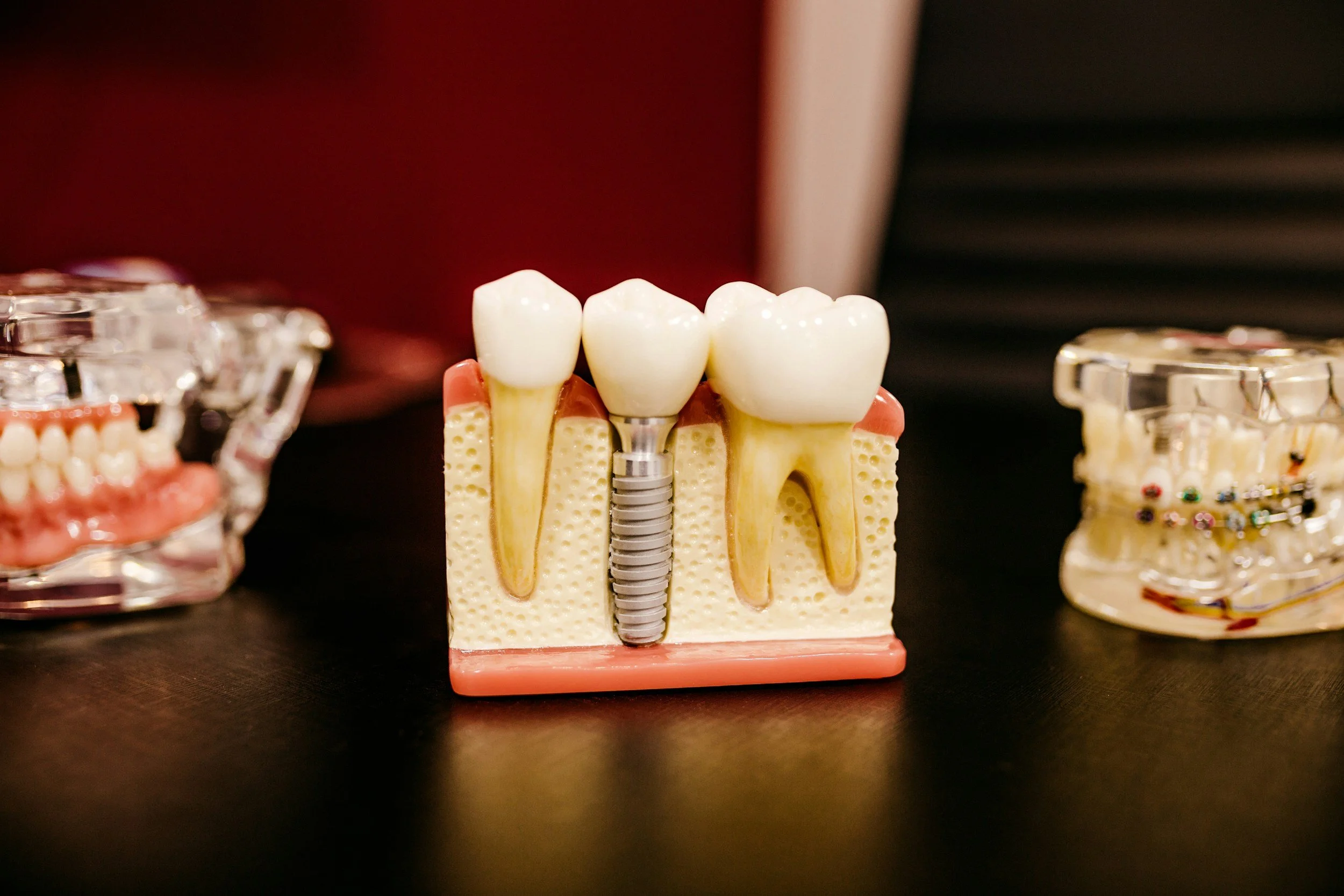
Emergency Dentist in Fayetteville, AR

A sudden toothache, broken tooth after an injury, or swelling from an infection can ruin your day and leave you wondering what to do next. When dental pain is severe, or an injury needs immediate attention, getting professional care can help relieve pain and prevent further damage. At Sequoyah Dental, we offer emergency dental care in Fayetteville for patients with urgent dental problems involving their teeth, gums, restorations, or other areas of the mouth. Our team will assess your symptoms, diagnose the problem, and recommend treatment based on what your smile needs.
Dental emergencies can happen while eating, playing sports, working, or just going about your daily routine. Some problems develop slowly and suddenly become painful; others happen because of an accident or injury. Whatever the situation, knowing when to call a dentist immediately can make it easier to protect your oral health and get the right care.
What Is an Emergency Dentist?
An emergency dentist addresses urgent dental problems involving severe pain, infection, injury, or damage to the teeth and gums. A dental emergency may include a severe toothache, broken or knocked-out tooth, dental abscess, damaged crowns, lost fillings, swelling, or injuries to the soft tissues of the mouth. The goal of emergency dentistry is to diagnose the problem, relieve pain, and provide emergency dental treatment before the condition gets worse.
Not all dental problems require the same level of emergency care. Some can wait until regular business hours, while severe swelling, uncontrolled bleeding, broken facial bones, serious jaw injuries, or life-threatening symptoms may require a hospital emergency room. For urgent tooth pain, infection, or dental damage, calling an emergency dentist immediately can help protect your oral health and determine the right dental treatment.
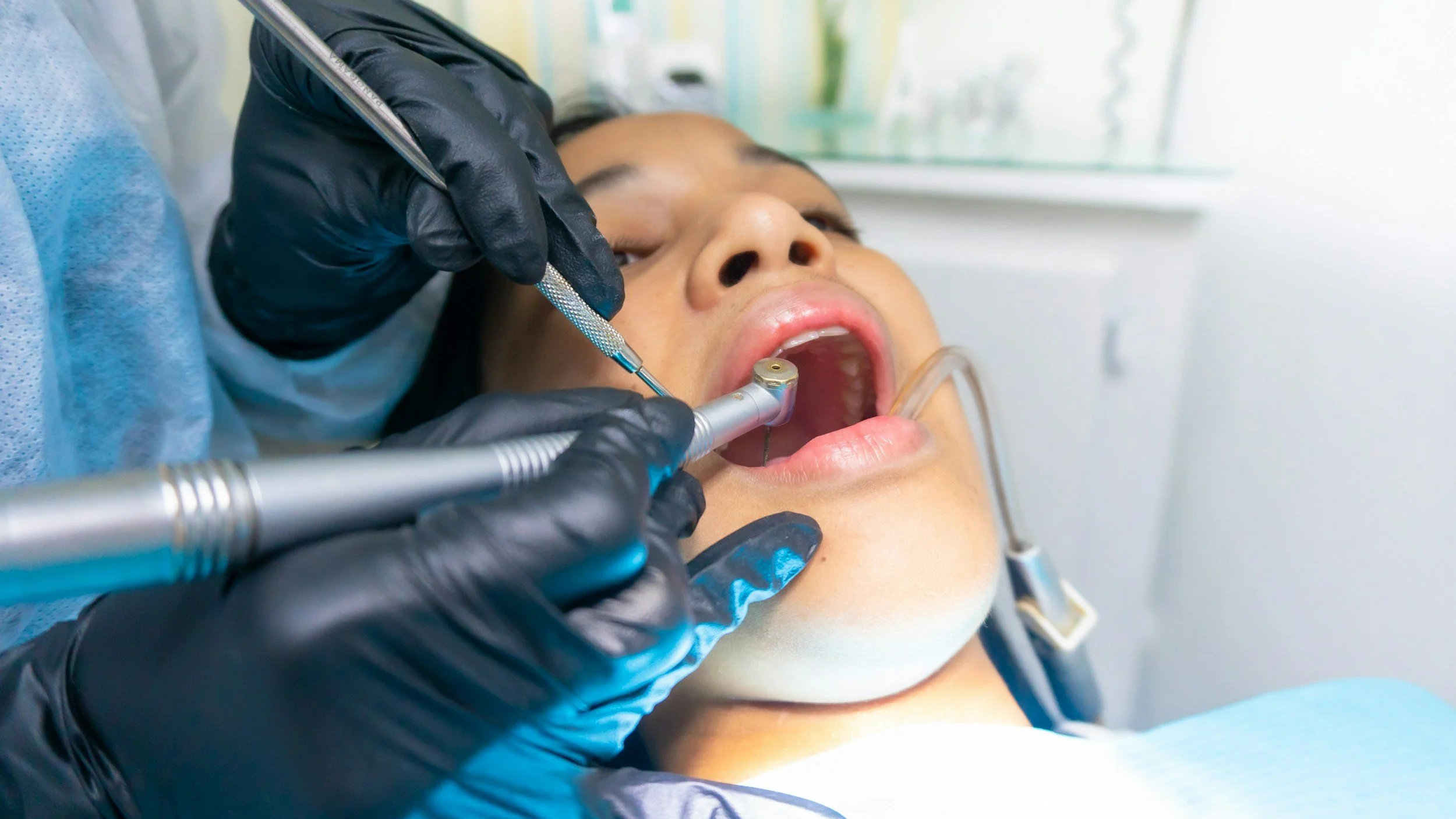
Benefits of Emergency Dentist
Getting an emergency dentist in Fayetteville can help address the immediate problem and protect your teeth and overall oral health. The right treatment depends on the cause and severity of your symptoms, but early evaluation can make a big difference in how the problem is managed.
Relieves Pain: An emergency dentist allows us to figure out why you are in pain instead of just covering up the symptoms. Once we know the cause, we can recommend treatment and pain management options to help relieve pain.
Prevents Further Damage: A broken tooth, damaged filling, loose crown, or untreated infection can become more complicated if you wait too long for care. Timely treatment may limit further damage and give us more options to fix the affected tooth.
Saves Your Natural Teeth: Quick care after certain dental injuries may improve the chances of saving a damaged or displaced tooth. Saving natural teeth whenever possible can also reduce the need to deal with missing teeth later with bridges, dental implants, or other restorations.
Guides You Through an Unexpected Situation: Dental emergencies can be stressful when you don’t know whether to wait, schedule an appointment, or seek immediate medical attention. Our team can help you figure out what to do next based on your symptoms and the type of injury or dental problem you are experiencing.
Emergency Dentist Procedure and Treatment
Every emergency is different, so there is no one-size-fits-all procedure for every patient. Our priority is to figure out what happened, where the pain or damage is coming from, and recommend treatment based on what we find.
Step 1: Call Our Office
Call our office and tell us your symptoms, when they started, and if an injury occurred. Details about swelling, bleeding, broken teeth, severe pain, or other symptoms can help our team understand how soon you need to be seen.
Step 2: Initial Exam
Treatment depends on what caused the emergency and may include fillings, crowns, treatment for an infected tooth, care for damaged soft tissues, or other restorative treatments. When possible, a doctor or dentist may also prescribe pain medication or antibiotics, but medication is not a substitute for treating the underlying dental problem.
Step 3: Diagnostic Testing
Some emergencies can be fully treated during the initial visit, while others require another appointment to complete treatment or restore the tooth. Before you leave the office, our team will explain what to expect, how to care for your mouth, and when you should schedule your next visit.
Step 4: Address Pain and Immediate Concerns
When you come to our office, the dentist will examine the affected tooth, gums, jaw, and surrounding areas as needed. We may also ask questions about your pain, medical history, medications, and what happened before the symptoms started.
Step 5: Treatment
Depending on the emergency, dental X-rays or other diagnostic tools may be used to look for decay, infection, damage near the tooth root, or problems that can’t be seen during a visual exam. This information helps us determine the cause of the toothache or injury and plan treatment.
Step 6: Follow-Up Care
Our team will address the most urgent problem first, especially if you are in severe dental pain. Depending on the situation, treatment may relieve pressure, protect a damaged tooth, control an infection, or stabilize the area.
Why Choose Sequoyah Dental for Your Emergency Dental Care?
When a dental emergency occurs, clear communication and timely attention matter. Sequoyah Dental provides emergency dental care in Fayetteville with a focus on identifying the cause of the problem and explaining your treatment options in plain language. Our team works to make the process easier to understand so you know what’s happening and what’s next.
Care Focused on Your Immediate Needs: We start by listening to your concerns and evaluating the symptoms that brought you to our office. Whether you have a broken tooth, toothache, damaged restoration, or possible infection, we focus on the problem that needs attention.
Treatment Based on the Cause: Dental pain can have many causes, so taking pain medication may not fix the underlying condition. We evaluate the affected area and recommend treatment based on what we find, not just the symptoms.
Restorative Options When Needed: Emergency problems sometimes damage teeth, fillings, or crowns and require restorative care after the immediate issue is under control. We can discuss options to repair or restore the tooth and protect its function.
Straightforward Communication: Dental emergencies are easier to manage when patients understand their options. Our team will explain what we see, what treatment may be appropriate, and if additional visits or services are needed.
FAQs
-
We consider a dental emergency to be a problem involving significant pain, uncontrolled bleeding, infection, trauma, or damage that should not be ignored. Examples can include a severe toothache, knocked-out tooth, broken tooth, painful dental abscess, significant swelling, or an injury to the teeth or gums. Most dental emergencies should be seen promptly so we can determine if immediate treatment is needed. If you have major facial trauma, broken facial bones, difficulty breathing, or another life-threatening condition, you should go to a hospital emergency room. If you’re not sure how urgent your dental problem is, contact our office, and we can help.
-
For most problems limited to the teeth and gums, an emergency dentist is usually better equipped to diagnose and treat the underlying dental condition. A hospital emergency room can help with serious medical symptoms but may not be able to do definitive dental procedures like fillings, crowns, or treatment of an infected tooth. We recommend going to an emergency room for life-threatening conditions, major facial trauma, uncontrolled bleeding, difficulty breathing, or a suspected broken jaw. For a toothache, broken tooth, lost filling, dental abscess, or similar problem, contact our office, and we can guide you on whether you should come in immediately or seek another form of emergency care.
-
If a filling or crown comes loose or breaks outside of normal business hours, avoid chewing on the affected side and keep the area as clean as you can. If a crown has fallen out, keep it in a safe place and bring it with you when you come into the office. For some lost fillings, placing a small piece of sugarless gum over a sharp area may temporarily protect your tongue or cheek, but do not push material deep into the tooth. Do not use household glue to reattach a dental crown, as this can damage the tooth or restoration. Contact our office as soon as possible so we can evaluate the tooth and determine the appropriate treatment.
-
A dental abscess will not go away on its own. Symptoms may decrease temporarily, but that does not mean the underlying dental problem is gone. When we evaluate a suspected abscess, we look for the source of the infection and determine what treatment is needed for the tooth and surrounding tissues. Antibiotics may be recommended in some cases, but they do not always eliminate the underlying cause by themselves. Contact us if you have severe pain, swelling, drainage, fever, or other symptoms that may indicate an infection.
-
If you’re waiting for an emergency dental care appointment, gently rinse your mouth and keep the painful area as clean as possible. Do not place aspirin or other medication directly against the gums or tooth, as this can irritate the soft tissues. Depending on your health and the directions on the medication label, an over-the-counter pain medicine may provide temporary pain relief, but it does not treat the cause of the toothache. The American Dental Association recommends seeking professional dental care for dental problems rather than relying on home remedies, and we encourage patients with severe or worsening symptoms to contact a dentist as soon as possible. If your symptoms become life-threatening, involve major swelling that affects breathing or swallowing, or are associated with significant facial or jaw trauma, seek immediate medical care.
Schedule Your Consultation Today!
If you have a toothache, broken tooth, lost restoration, swelling, infection, or another urgent dental problem, contact Sequoyah Dental to discuss emergency dental care in Fayetteville. We can help you determine what to do and schedule a visit based on your situation and our hours. Call us at (479) 313-7373 to tell us about your symptoms and request an appointment. Prompt dental care can help with pain, protect your teeth, and reduce the risk of an untreated problem becoming more complicated. Whether your emergency is an injury, abscess, broken filling, crown, impacted wisdom tooth, or another concern, contact our office so we can help you determine what care may be needed.