
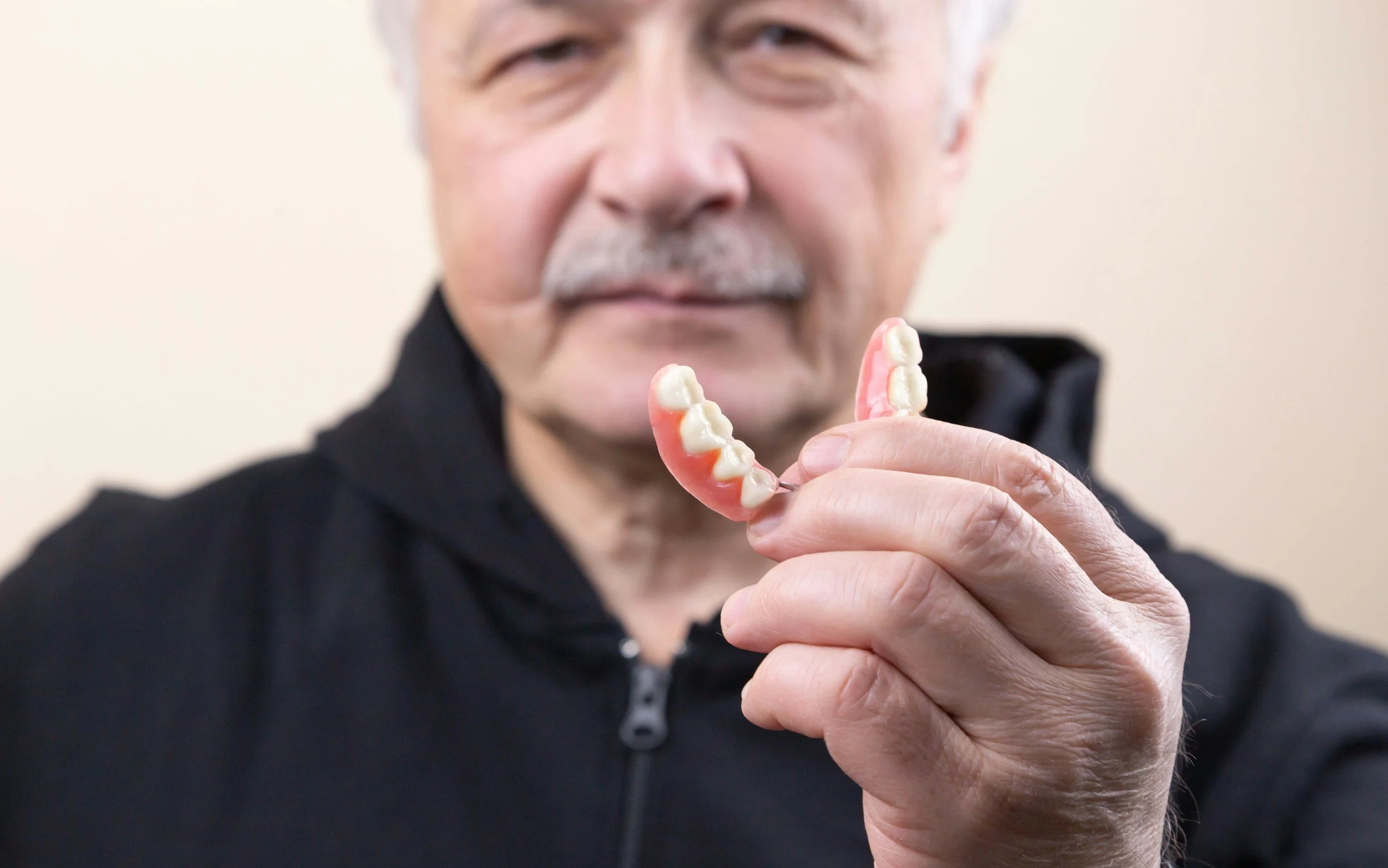
Partial & Full Dentures in Fayetteville, AR

If you have several missing teeth, struggle to chew, or feel self-conscious about your smile, dentures may help you feel more comfortable again. Missing teeth can also affect how you speak, eat, and support the natural shape of your face. At Sequoyah Dental, we offer Partial & Full Dentures in Fayetteville for patients who need a practical way to replace missing teeth and get back to everyday function. We will evaluate your mouth, gums, remaining teeth, and individual needs to determine denture options that fit comfortably and look natural.
What are Partial & Full Dentures?
Partial dentures are removable dentures when you have several missing teeth but still have healthy natural teeth remaining. They replace missing teeth with artificial teeth and may use metal clasps, a metal framework, or precision attachments for added stability. Depending on your needs, dental bridges or dental implants may also be considered as alternatives for missing teeth.
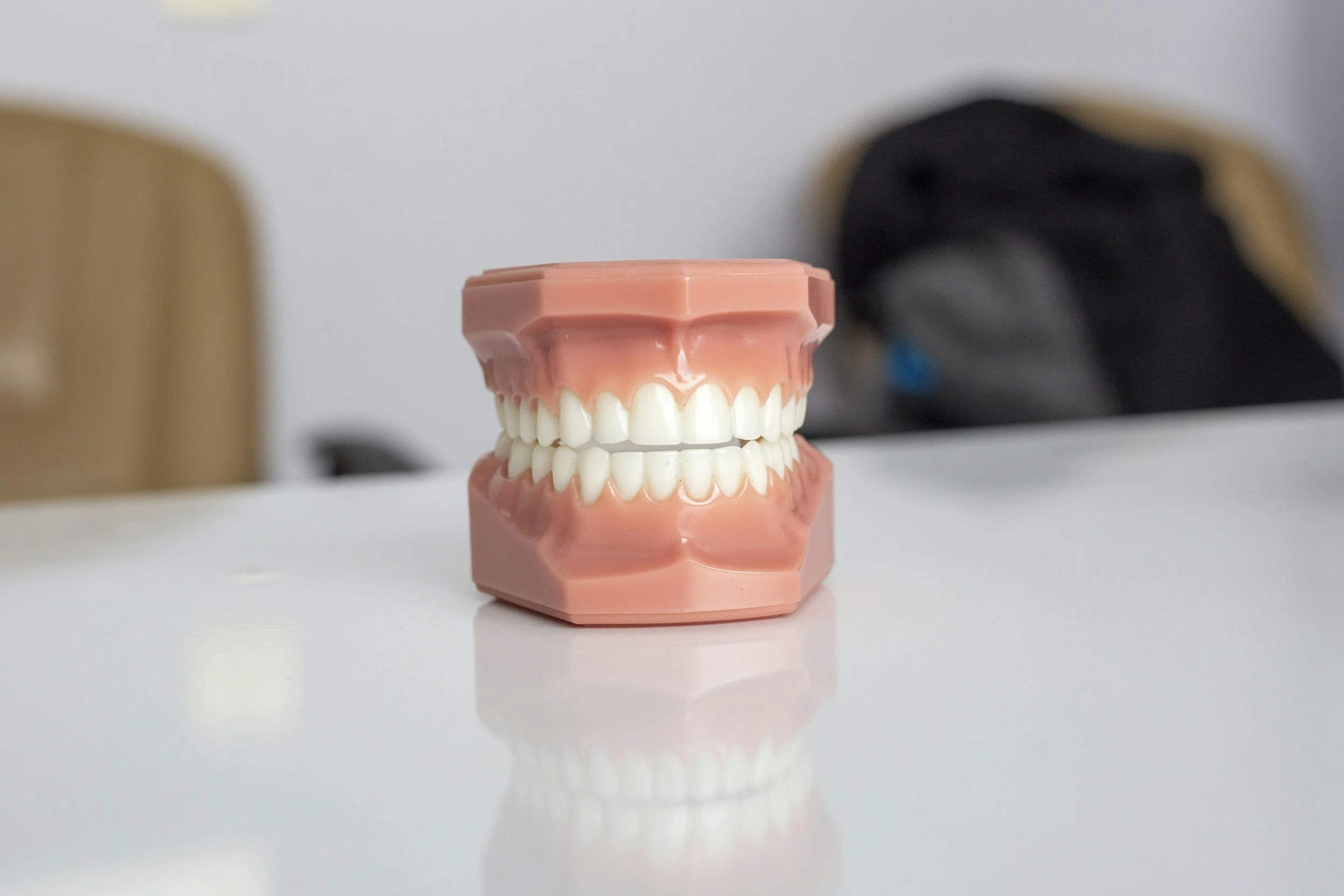
Full dentures, also called a complete denture, replace an entire arch of teeth when no natural teeth remain in the upper or lower jaw. Options may include traditional full dentures, immediate dentures placed after tooth removal, or implant-supported and snap-in dentures for more stability. Your dentist will evaluate your gums, jawbone, oral health, and how many teeth need to be replaced to determine which denture option is right for you.
Benefits of Partial & Full Dentures
Dentures do more than just improve your appearance. With the right design, fit, materials, and proper care, new dentures can restore your smile and make daily activities easier.
Replace missing teeth and restore your smile. Partial and full dentures replace missing teeth with artificial teeth designed to match your appearance. Filling the gaps can help you smile and interact with others with more confidence.
Make eating and chewing easier. Missing teeth can make chewing certain foods difficult, especially when several teeth or an entire arch is missing. Properly fitted dentures can restore useful chewing function and help most people eat a broader range of foods after an adjustment period.
Support your remaining teeth and facial appearance. Partial dentures can fill the gaps between remaining natural teeth and help create a more complete bite. Full dentures can also support the lips and cheeks and help maintain the natural shape of the face after tooth loss.
Options for different needs. Denture options include traditional partial dentures, full dentures, immediate dentures, and implant-supported designs for patients who qualify for dental implants. This gives us the flexibility to plan treatment around your oral health, comfort, missing teeth, and desired level of stability.
Partial & Full Dentures Procedure
Getting dentures is a personalized process because every mouth is different. At Sequoyah Dental, we evaluate your teeth, gums, jaw, and overall oral health before we recommend treatment, and the process typically takes several visits over a few weeks.
Step 1: Consultation and oral exam
Your dentist begins with a consultation to examine your mouth, gums, healthy teeth, remaining teeth, and areas where teeth are missing. We also discuss your concerns, treatment goals, denture options, and whether partial dentures, full dentures, dental bridges, or dental implants are right for you.
Step 2: Treatment plan
Once the dentures are ready, we place them in your mouth and check the fit, appearance, bite, and stability. Small adjustments may be made to reduce discomfort and improve the fit as you begin to wear the appliance.
Step 3: Impressions and measurements
It may take some time to get used to dentures, and your gums and other tissues may feel different as they adjust. We will give you instructions for eating, speaking, cleaning, and proper care, and can make adjustments if certain areas become uncomfortable or the fit changes.
Step 4: Design and creation
We determine which type of denture is best for you based on several factors, including how many teeth need to be replaced and if you have remaining natural teeth. If damaged teeth need to be removed before treatment, we will explain the process and whether immediate dentures can be considered while your mouth heals.
Step 5: Try-in
Impressions of your mouth are taken so your new dentures can be made to fit the shape of your gums, jaw, and dental arch. Accurate impressions and measurements are important for an appliance that fits comfortably and allows your upper and lower teeth to meet properly.
Step 6: Follow-up and adjustments
Your dentures are made with materials chosen for durability, function and appearance, which may include acrylic resin and metal components depending on the type of partial or complete denture. The artificial teeth are positioned to create a natural appearance while supporting your bite, smile and everyday chewing needs.
Why Choose Sequoyah Dental for Partial & Full Dentures?
At Sequoyah Dental, we understand that replacing missing teeth is a big decision that affects your comfort, appearance, eating habits, and oral health. We take the time to determine which treatment is right for you rather than recommending the same solution for every patient. We want you to understand the process and get dentures that restore useful function and fit your smile.
Dentures tailored to your needs. We consider your remaining teeth, gums, jawbone, bite, and number of missing teeth before we recommend treatment. This allows us to determine if a partial, full denture, immediate denture, bridges, or implants are better for you.
Comfort and stability. A denture should fit your mouth as comfortably and securely as possible for daily wear. We check the shape, bite, and stability of your appliance and make adjustments as needed.
Clear guidance throughout treatment. We will explain what to expect at each stage from your initial consultation and impressions to fitting and follow-up care. You will also receive practical advice for brushing, cleaning your dentures, eating, and protecting the health of your gums and remaining teeth.
Options for your smile. Different patients have different goals, so we can discuss traditional dentures and other types of tooth replacement when applicable. We can also explain if dental implants, snap-in dentures, crowns, or dental bridges are right for you.
FAQs
-
When patients ask us, “How long do dentures last?”, we tell them there is no one-size-fits-all answer. Dentures can last several years with proper care, but your mouth, gums, and jawbone change shape over time. These changes can affect the fit of the appliance even if the denture itself is in good condition. Regular dental visits allow us to check the fit, materials, bite, and condition of your dentures as well as your oral tissues. If your dentures become loose, uncomfortable, damaged, or hard to wear, we recommend you schedule an appointment rather than trying to adjust them yourself.
-
We recommend partial dentures when a patient has several missing teeth but still has remaining natural teeth that can be saved. A partial appliance fills the missing spaces and may use metal clasps, a metal framework, or other attachments to gain stability from healthy teeth. Full dentures are used when all teeth in an upper arch, lower jaw, or both arches need to be replaced. A complete denture rests on the gums rather than fitting around remaining teeth. During your consultation, we will examine your mouth and determine which option can replace your missing teeth.
-
In some cases, we can plan immediate dentures before the remaining teeth are removed so you can get an appliance soon after extraction. Immediate full dentures can help maintain your appearance while your gums and jaw heal. However, the tissues and jawbone change shape during healing, which means the dentures may need to be adjusted as the weeks pass. Once healing has progressed, we will evaluate the fit and determine if further adjustments, relining, or final dentures are needed. We will discuss this process with you before treatment so you know what to expect at each stage.
-
Dental implants and traditional dentures meet different needs, so we don’t consider one automatically better for every patient. Traditional removable dentures can replace several teeth or an entire arch without implants in the jaw. Implant-supported or snap-in dentures may provide more stability because the appliance connects to implants placed in the jawbone. Whether implants are right for you depends on your oral health, bone support, treatment goals, and several other factors we will evaluate during your consultation. We can explain the benefits, limitations, treatment process, and payment plans that may be available so you can make an informed decision.
-
We recommend you clean your dentures daily to remove food particles and buildup from the appliance. Depending on the type of denture, you may need to remove it and gently brush it with products designed for denture materials, not regular toothpaste. You should also clean your tongue, gums, remaining natural teeth, and other tissues in your mouth to support good oral health. When you first start wearing new dentures, some discomfort and changes in speaking or eating can occur as your mouth adjusts. We encourage patients to call us if persistent soreness, looseness, damage or other concerns develop so we can check the fit and make any necessary adjustments.
Schedule Your Consultation Today!
Missing teeth affecting your smile, chewing, or daily comfort? Sequoyah Dental can help you explore Partial & Full Dentures in Fayetteville and other tooth replacement options. During your consultation, we will examine your teeth, gums, mouth, and jaw to determine a treatment approach for you. We can discuss partial dentures, full dentures, immediate dentures, dental implants, and other options and answer your questions about the process. Call Sequoyah Dental at (479) 313-7373 to schedule your appointment and get started. We look forward to helping you replace missing teeth, restore your smile, and feel more comfortable with your daily dental function.