

Dental Exams and X-rays in Fayetteville, AR

Tooth decay, gum problems, and changes below the gumline don’t always cause pain right away. You may feel your teeth are healthy while a cavity, impacted tooth, bone change, or another concern is developing where it can’t be seen. At Sequoyah Dental, we offer Dental Exams and X-rays in Fayetteville to evaluate your teeth, gums, and surrounding structures and find problems that need attention. By combining a routine dental exam with the right dental imaging, our dental team can get a better picture of your oral health and recommend care based on your individual needs.
Regular visits are valuable even when your mouth feels 100% normal. Your dentist and hygienist can look for tooth decay, gum disease, oral cancer, broken teeth, and other oral health issues that are easier to manage when caught early. We can also talk about your brushing and flossing habits, general health, previous dental work, and any changes you’ve noticed since your last visit.
Dental X-rays provide information that can’t be gathered by just looking at your teeth and gums. Depending on your needs, we may recommend digital X-rays, intraoral X-rays, or a panoramic X-ray to get images of specific teeth or a wider area of the mouth. These dental radiographs can help us find problems and determine if treatment, monitoring, or preventive care is needed.
What Are Dental Exams and X-rays?

Dental Exams
Dental exams are routine evaluations to help your dentist understand the condition of your teeth, gums, and overall oral health. During an exam, the dentist checks for cavities, gum disease, broken or worn teeth, changes in your bite, and other oral health issues. Regular dental exams also give us a chance to talk about pain, sensitivity, or other concerns and determine if additional treatment or preventive care is needed.
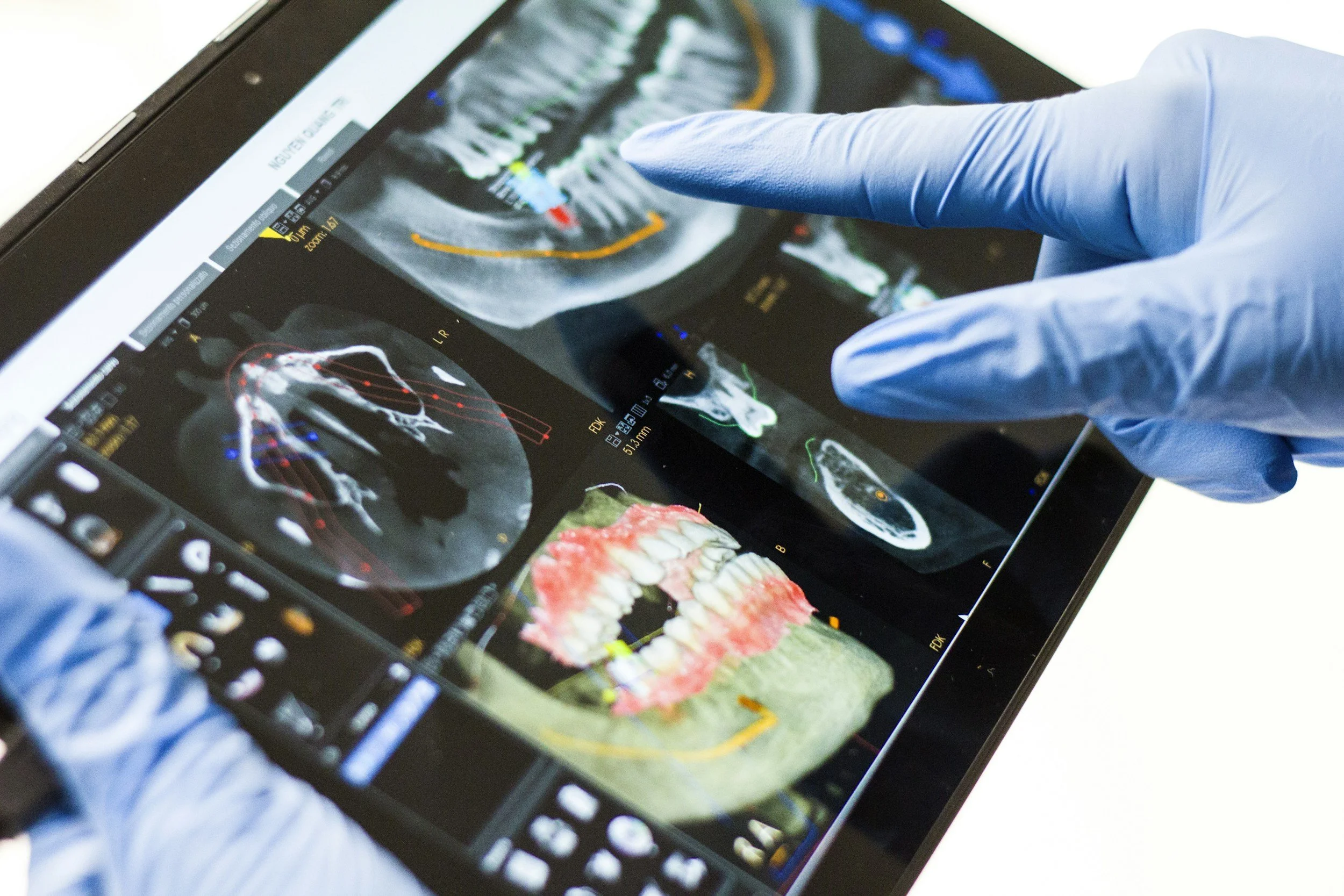
Digital X-rays
Digital X-rays provide detailed images of your teeth, roots, and surrounding bone that may reveal problems not visible during a regular dental exam. They can help your dentist find tooth decay between teeth, bone loss, infections, and changes around tooth roots. Because the images are digital, they can be viewed instantly and enlarged when we need a closer look at a specific area.
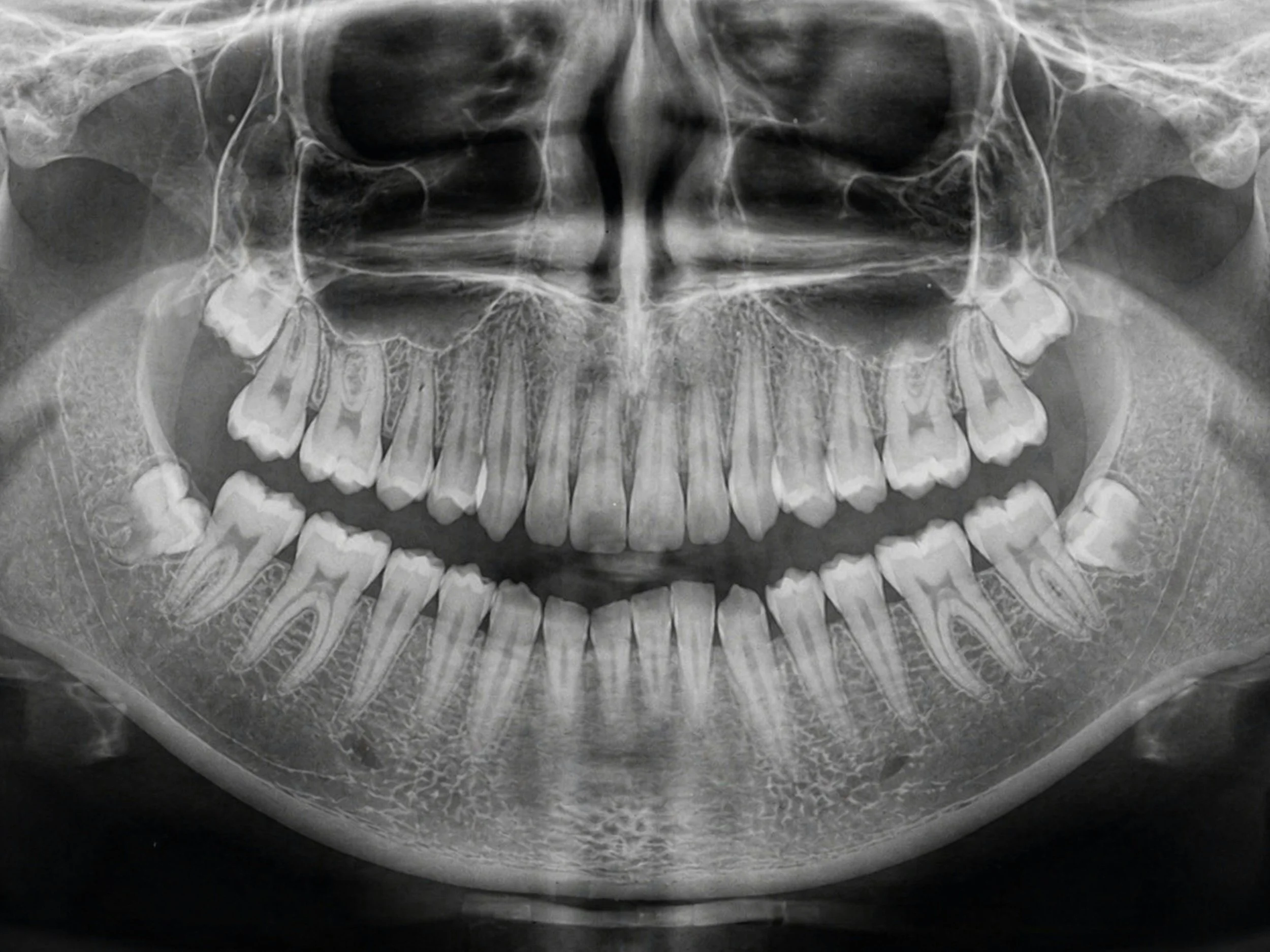
Panoramic X-rays
Panoramic X-rays capture a wide view of your entire mouth in one image, including your teeth, upper and lower jaws, wisdom teeth, and surrounding structures. A panoramic X-ray machine moves around your head while you remain still so that an image can be taken without placing a sensor beside individual teeth. These X-rays are useful for evaluating impacted teeth, tooth development, jaw conditions, and other concerns that require a wider view of the mouth.
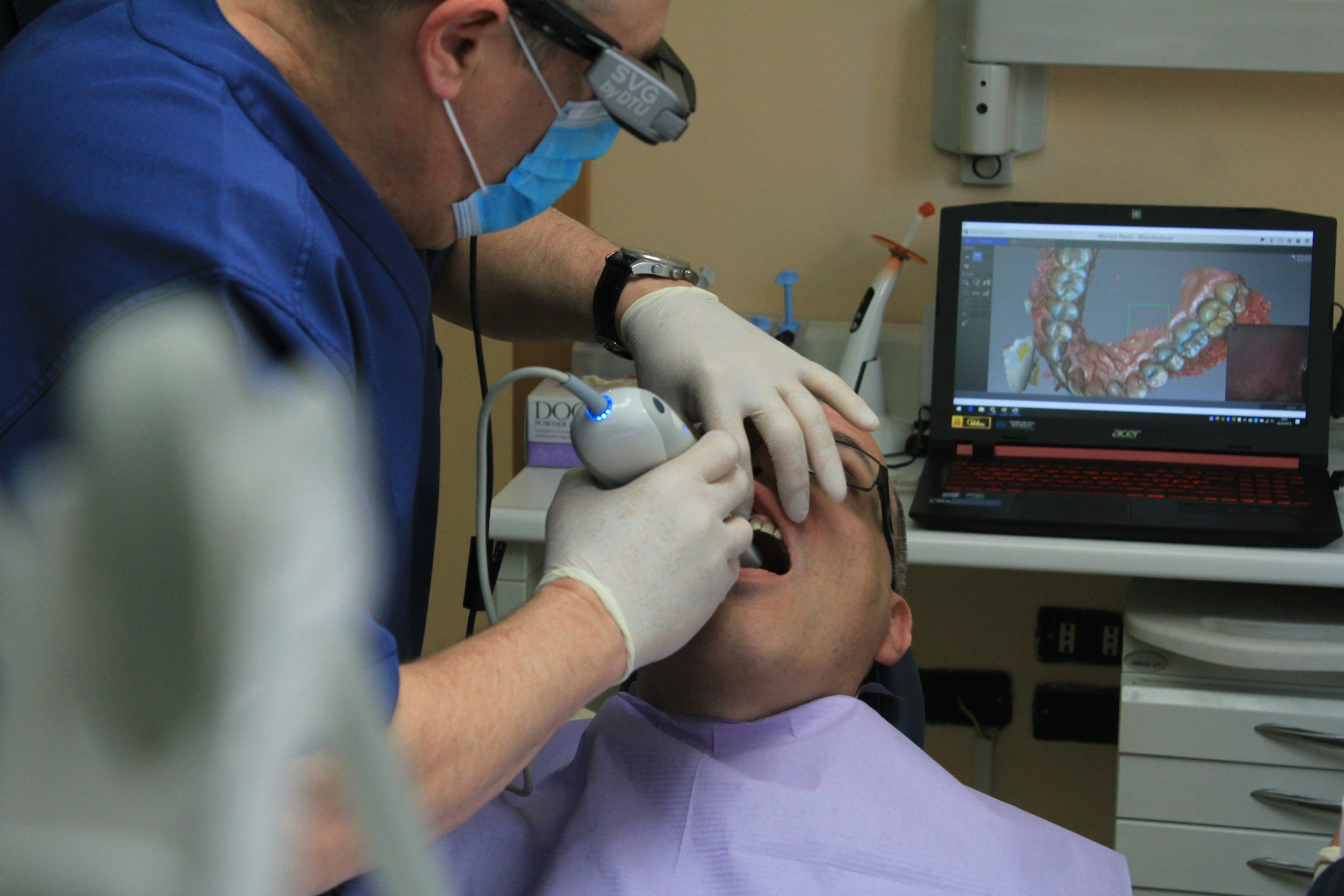
3D X-rays
3D X-rays create detailed 3D images of your teeth, jaw bones, and surrounding structures from multiple angles. This type of imaging is often called cone beam computed tomography (CBCT) and is used when standard dental X-rays don’t provide enough detail. Your dentist may recommend 3D imaging when it’s helpful for planning dental implants, evaluating impacted teeth, examining certain jaw concerns, or preparing for other dental treatment.
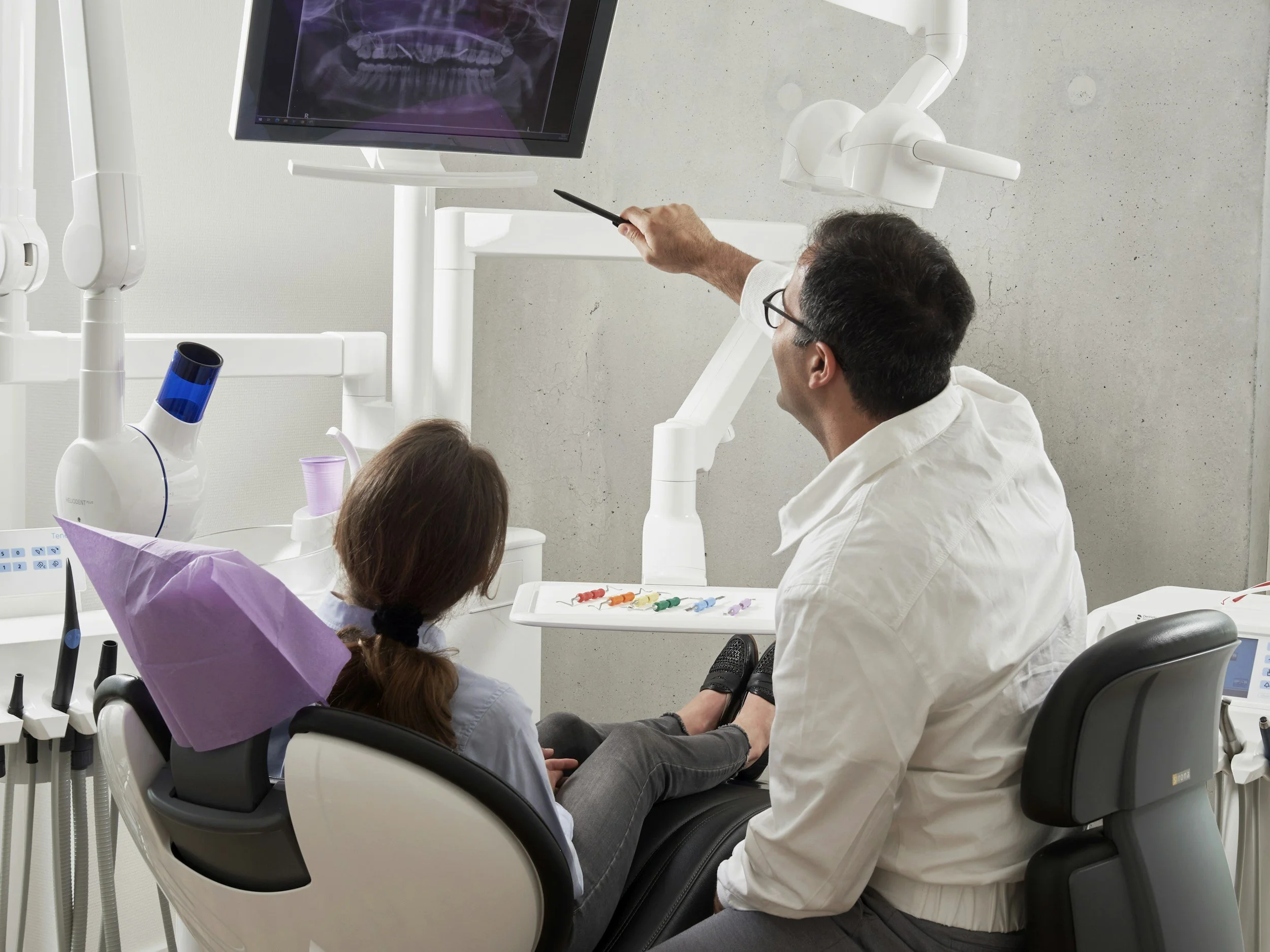
Benefits of Dental Exams and X-rays
Dental exams and X-rays provide different types of information about your mouth. When used together, they help the dentist understand what is visible during an exam and what may be happening beneath or between the teeth.
Find problems earlier. Dental exams can reveal cavities, gum inflammation, broken teeth, and other signs of oral disease before symptoms become more serious. Dental X-rays may also show hidden tooth decay, bone changes, or impacted teeth that can’t be seen during a visual exam.
Get a better picture of your oral health. Digital X-rays and intraoral X-ray images allow us to examine specific teeth, roots, and supporting structures more closely. A panoramic X-ray provides a broader image of the entire mouth and can help us evaluate the jaw, wisdom teeth, and other areas beyond individual teeth.
Support treatment decisions. Dental radiographs can provide useful information about cavities, tooth roots, bone loss, impacted teeth, and other conditions that may affect treatment. We can combine these images with your exam findings to discuss treatment options and explain why care may be needed.
Protect your long-term oral health. Regular dental exams allow us to monitor your teeth and gums over time rather than waiting for pain or another obvious symptom. Finding changes earlier may allow us to treat concerns before they become more difficult to manage and help you maintain better oral health.
Dental Exams and X-rays Procedure
The process for Dental Exams and X-rays in Fayetteville is usually straightforward, but every patient’s visit may be slightly different. You don't need special preparation for a standard dental exam unless you are pregnant, on medication, have health conditions, dental pain, or other concerns. Please tell us about these before your exam.
1.
Review your dental and general health.
We start by reviewing your medical and dental history, current medications, previous dental treatment, and any symptoms you are experiencing. This is also your chance to discuss pain, sensitivity, bleeding gums, difficulty chewing, or changes you have noticed in your mouth.
2.
Examine your teeth and gums.
Your dentist will examine your teeth for cavities, cracks, wear, broken fillings, and other visible concerns. We will also evaluate your gums and other soft tissues for signs of gum disease, oral cancer, inflammation, or other oral health issues that may need attention.
3.
Determine if X-rays are needed.
X-rays are recommended based on your individual needs, not automatically taking every possible image. We consider your age, dental history, risk of tooth decay, current symptoms, previous dental X-rays, and whether a particular area needs closer examination.
4.
Take the necessary images.
For intraoral X-rays, a small digital sensor is placed inside your mouth while the X-ray beam is directed towards the area being examined. If panoramic imaging is needed, you will stand or sit at the panoramic X-ray machine and remain still while it moves around your head to capture images of your teeth and lower jaw, upper jaw, and surrounding areas in one image.
5.
Review your exam and
X-rays.
The dentist reviews your dental X-ray images along with the findings from your physical exam. Looking at both can help identify problems with the teeth, roots, gums, supporting bone, and jaw that may not be visible during the exam.
6.
Discuss your results and treatment options.
We explain what we found and can show you images so you can better understand your oral health. If we find a problem, we discuss treatment options, benefits, and risks, and what may happen if the condition is not treated, so you can make an informed decision about your care.
Why Choose Sequoyah Dental for Your Dental Exams and X-rays?
Sequoyah Dental takes a patient-centered approach to Dental Exams and X-rays in Fayetteville. We use exams and imaging to gather information about your mouth without taking unnecessary images. We also take time to explain findings so you understand your health and any recommended treatment.
Personalized dental evaluations. Your exam is based on your symptoms, dental history, current health, and personal risk factors. This allows us to focus on the areas that need attention while monitoring the overall health of your teeth and gums.
Useful digital dental imaging. Digital X-rays can provide detailed images of individual areas and allow the dentist to examine findings closely. When a wider view is needed, panoramic imaging can show the teeth, jaw bones, wisdom teeth, and surrounding structures in one image.
Clear explanations. Dental images are more helpful when you understand what they show and why a finding matters. We can review images with you, answer questions, and explain whether an area should be monitored or treated.
Preventive dental care. We want to help you have healthy teeth and gums, not just treat problems after they become painful. Regular dental exams, appropriate X-rays, good home care, and timely treatment can work together to reduce the risk of more serious dental problems.
FAQs
-
We recommend the timing of dental exams based on your individual oral health needs and history. Regular exams allow us to monitor your teeth and gums and look for changes that may need attention. X-rays may be needed at different intervals based on your age, cavity risk, gum health, symptoms, previous treatment, and available dental radiographs. Children and adults may have different imaging needs because their teeth and jaws are at different stages of development. We will discuss a schedule with you based on what we find during your visits.
-
Dental X-rays use a small amount of ionizing radiation to create images of areas we can’t see. When recommended and done properly, dental X-rays are generally safe, and modern techniques are designed to minimize unnecessary radiation exposure. We weigh the benefits of taking an image against the risks before we recommend X-rays. Protective measures such as a thyroid collar or lead apron may be discussed or used when appropriate based on current guidelines and the type of imaging needed. If you have concerns about radiation or have had X-rays elsewhere recently, please talk to our dental team before imaging.
-
A panoramic dental X-ray gives us a wide view of your teeth, upper and lower jaws, and surrounding structures. We may use it to examine wisdom teeth, impacted teeth, jaw bones, tooth development, missing teeth, or certain bone abnormalities. The panoramic X-ray machine moves around your head rather than a sensor being placed beside each tooth. This allows us to capture a large area of the mouth in one image. We will explain what we are looking at and discuss any findings that may affect your dental care.
-
Yes, certain dental X-rays can help us detect cavities that are difficult to see during a routine visual exam. Tooth decay can develop between teeth or beneath existing dental restorations where simply looking inside the mouth may not provide enough information. Intraoral X-rays can help us examine these areas and determine the location and extent of suspected decay. We always consider the X-ray findings along with your symptoms and physical exam before we recommend treatment. Finding cavities earlier may allow us to treat them before more tooth structure is affected or pain develops.
-
Please tell our dental team if you are pregnant, think you may be pregnant, or are trying to become pregnant. We will consider your dental health, symptoms, and why an X-ray may be needed before we recommend imaging. We will still evaluate necessary dental problems because untreated infection or significant pain can also affect your health. When X-rays are necessary, we follow proper protocols to minimize radiation exposure and can discuss any recommended protective measures. We encourage you to discuss pregnancy and any concerns about X-rays with us so we can make an informed decision about your care.
Schedule Your Consultation Today!
Dental Exams and X-rays in Fayetteville help you know the condition of your teeth and gums before small issues become big problems. At Sequoyah Dental, we use thorough exams and appropriate X-rays to find problems, monitor your oral health, and explain your treatment options. Whether you are in pain, concerned about cavities, or just due for a routine exam, our team is here to help you care for your mouth. Call (479) 313-7373 to schedule or ask questions. Consistent preventive dental care can help you protect your teeth, gums, and overall dental health for years to come.