
Crown Lengthening in Fayetteville, AR

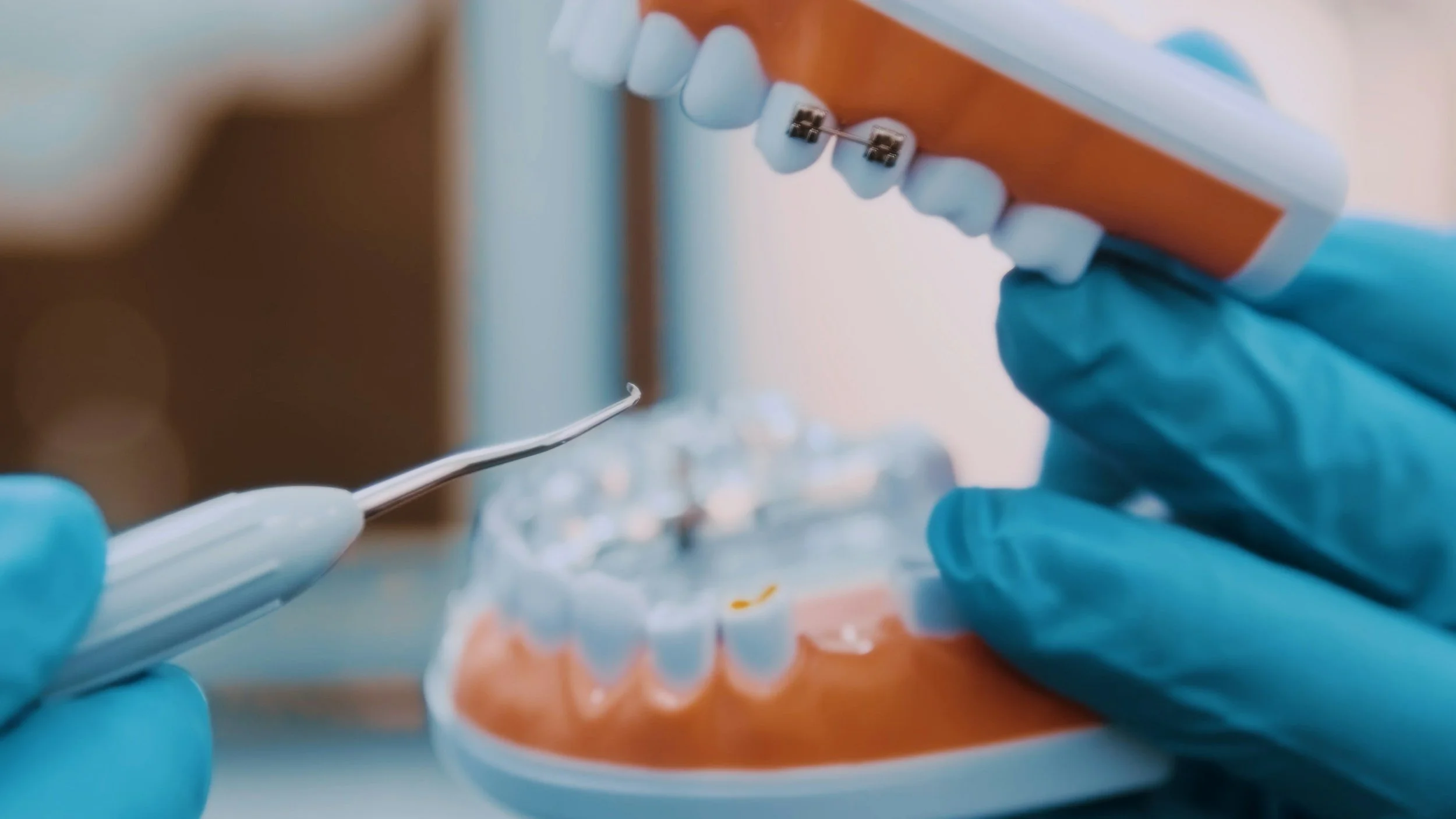
When a tooth is broken near the gum line, damaged by decay, or covered by too much gum tissue, there may not be enough visible tooth structure to securely place a crown or other restoration. Some patients may also feel that excess gum tissue makes their teeth look short or creates a gummy smile. At Sequoyah Dental, we provide crown lengthening in Fayetteville to reshape the gums and, when necessary, the underlying bone so more of the natural tooth is exposed. This common procedure may be recommended for restorative or cosmetic reasons, depending on your smile, oral health, and treatment needs.
What Is Crown Lengthening?
Crown lengthening is a dental procedure that removes or reshapes a small amount of gum tissue around one or more teeth. In some cases, bone removal may also be necessary to expose enough healthy tooth structure above the gum line. Crown lengthening procedures are typically performed when a dentist needs better access to a tooth for treatment or when excess gum tissue affects the appearance of the smile. The goal is to create a healthier, more useful amount of visible tooth while maintaining the surrounding gums and neighboring teeth.
Before recommending crown lengthening in Fayetteville, we examine your mouth, review your medical history, and may take X-rays to evaluate the tooth, roots, gum tissue, and bone. The most common reasons for treatment include preparing a broken or decayed tooth for a new crown, improving access to decay below the gums, or changing a gummy smile for cosmetic reasons. Depending on the treatment plan, the procedure may involve soft tissue removal, underlying bone reshaping, or both. Although patients may sometimes be referred to a periodontist or another dental surgeon for certain cases, the exact approach depends on the condition of the tooth and surrounding periodontal tissue.
Benefits of Crown Lengthening
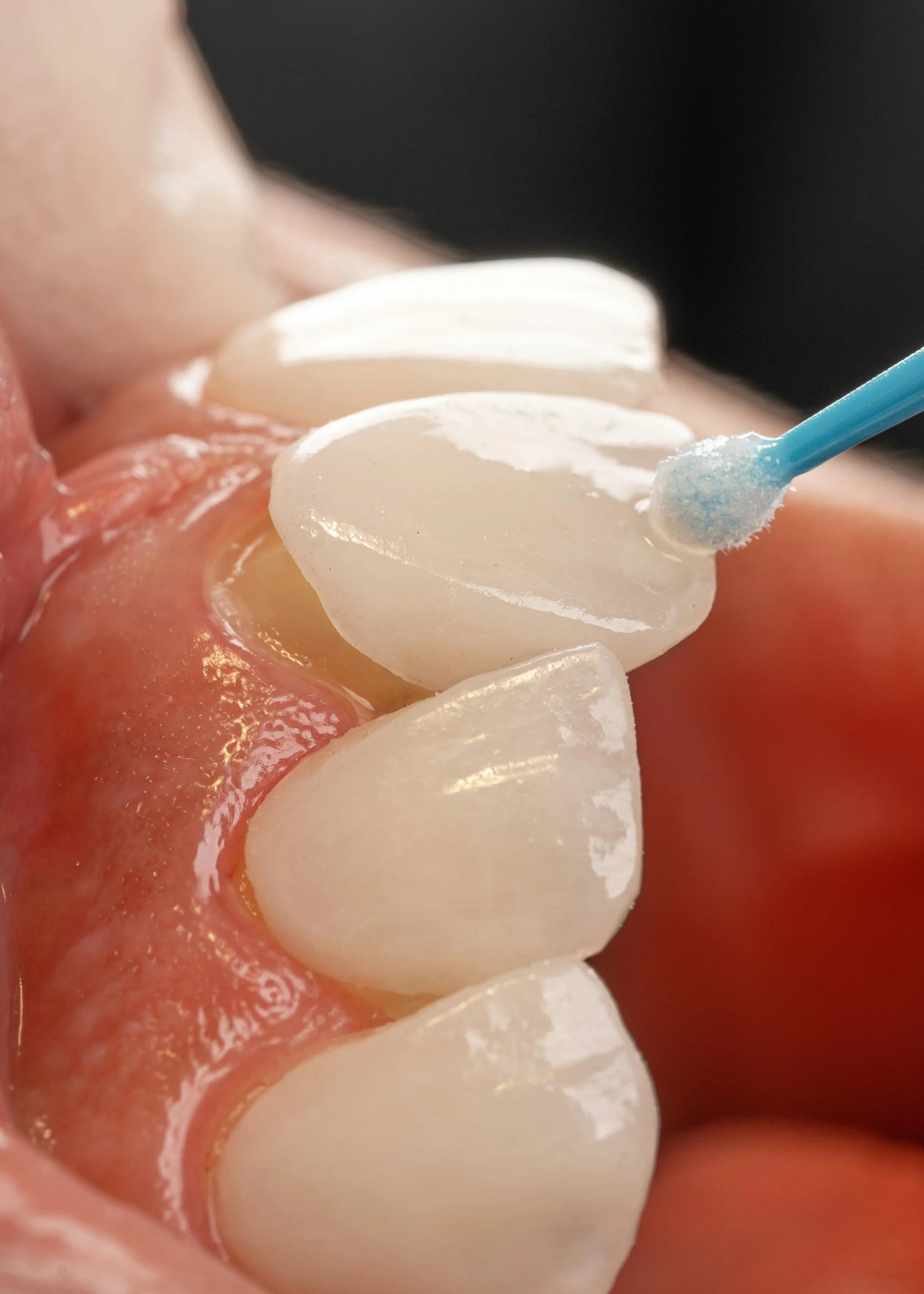
Crown lengthening can support both restorative dental treatment and the aesthetic appearance of your smile. The specific benefits depend on why the procedure is being performed and how many teeth need treatment.
Provides more tooth structure for a restoration. When decay or a broken area extends below the gum line, crown lengthening can expose additional healthy tooth structure. This may give a new crown or another restoration a more secure area to fit around and help restore the tooth.
Improves access to damaged areas. Moving excess gum tissue away from a tooth can allow the dentist to clearly see and reach decay or damage that was previously below the gums. Better access can make preparation and restoration of the natural tooth more predictable.
Can improve the appearance of a gummy smile. Some patients naturally have gums that cover a larger portion of their teeth, making the teeth appear shorter. Crown lengthening performed for cosmetic reasons can reshape the gum line and create a more balanced appearance between the teeth and gums.
Supports a carefully planned treatment. Crown lengthening procedures can create the space needed before restorative treatment is completed. Proper planning also helps us consider the health of neighboring teeth, the location of the bone and roots, and how the gums heal before placing the final restoration.
Crown Lengthening Procedure
Every crown lengthening procedure is planned according to the condition of the tooth, gums, and underlying bone. While individual treatment can vary, crown lengthening surgery generally follows a straightforward process designed to expose the necessary tooth structure while protecting the surrounding dental tissues.
Step 1: Dental examination and treatment planning
We begin by examining the tooth and surrounding gums, reviewing your medical history, and taking X-rays when necessary. This preparation helps us determine how many teeth should be treated, whether bone needs to be reshaped, and how crown lengthening fits into your overall treatment plan.
Step 2: Preparing the tooth and surgical area
Once the correct amount of tooth is exposed, the surgical site is thoroughly cleaned before the gum tissue is positioned around the tooth. The surgical area may then be closed with stitches and protected while the early healing process begins.
Step 3: Keeping you comfortable with local anesthesia
We provide instructions for caring for the area during the first few days, including how to brush near the site, manage swelling, and use pain relievers as directed. After sufficient healing, the tooth can be prepared for a new crown or another restorative treatment when appropriate.
Step 4: Reshaping the gum tissue and bone when necessary
If a tooth already has a temporary crown, it may need to be removed or adjusted so we can properly reach the surgical site. We clean and prepare the mouth carefully to reduce bacteria around the surgical area and help prevent infection during recovery.
Step 5: Cleaning and closing the surgical site
Local anesthesia is used to numb the gums, tooth, and nearby tissue before the surgical procedure begins. You should not feel sharp pain during treatment, although you may notice pressure or movement while the procedure is performed.
Step 6: Recovery and final restoration
During crown lengthening surgery, excess gum tissue is carefully removed or repositioned to expose more of the natural tooth. If needed, a small amount of underlying bone may also be reshaped so that enough tooth structure remains visible after the gums heal.
Why Choose Sequoyah Dental for Your Crown Lengthening?
At Sequoyah Dental, we approach crown lengthening in Fayetteville with careful planning based on your individual dental needs. We consider the tooth, gums, bone, neighboring teeth, smile, and future restoration before recommending treatment. Our goal is to help you understand why the procedure is being considered and what you can expect before, during, and after treatment.
Individual treatment planning. Crown lengthening is not exactly the same for every patient, so we evaluate your tooth structure, gum tissue, bone, and overall dental health before treatment. Your plan is based on whether the procedure is needed for restorative treatment, cosmetic reasons, or a combination of both.
Clear explanations before treatment. We explain why crown lengthening may be appropriate and what the surgical procedure involves before moving forward. You will have an opportunity to ask questions about preparation, local anesthesia, recovery, healing, and your future crown or restoration.
Attention to your overall smile. Treating one tooth can affect the appearance of the surrounding gum line and neighboring teeth, so these areas are considered during planning. For patients concerned about a gummy smile, we also consider how changes to the gums may affect the overall balance and aesthetic appearance of the smile.
Guidance throughout recovery. Proper aftercare can help the tissue heal and reduce the chance of complications after surgery. We provide practical instructions for keeping your mouth clean, controlling swelling and pain, avoiding smoking, and knowing when to contact our dental office about unusual symptoms.
FAQs
-
We use local anesthesia during crown lengthening surgery so the treatment area is numb while the procedure is performed. After the anesthesia wears off, some patients experience tenderness, swelling, or mild to moderate discomfort around the gums. We will explain which pain relievers are appropriate for you and how to protect the surgical site during the first few days. Following our instructions for cleaning, eating, and activity can make recovery more comfortable. If pain becomes severe, gets worse instead of better, or is accompanied by signs of infection, we recommend contacting our office.
-
Initial healing begins during the first few days, but the gums need more time to fully settle around the tooth. We monitor healing because the final restoration should not be placed before the tissue is ready. The total healing period varies depending on how much gum tissue was treated, whether bone was reshaped, your general health, and the location of the tooth. During recovery, we may adjust recommendations for brushing and flossing around the surgical area to avoid disturbing the tissue. We will tell you when the gums have healed enough to move forward with your new crown or other planned dental treatment.
-
We may recommend crown lengthening when there is not enough healthy tooth structure above the gum line to support a restoration. This situation can occur when a tooth is broken near the gums or when decay extends beneath the visible portion of the tooth. The procedure can also be performed for cosmetic reasons when excess gum tissue creates a gummy smile or makes the teeth appear unusually short. In restorative cases, exposing more of the natural tooth can give us better access for removing decay and preparing the area for a crown. We evaluate your tooth, gums, bone, roots, and neighboring teeth before deciding whether crown lengthening is appropriate.
-
We generally want the gum tissue to heal and stabilize before completing the final crown. Placing the restoration too early may interfere with healing or lead to changes in the gum line as the tissue continues to recover. A temporary crown may be used when appropriate to protect the prepared tooth during this period. The amount of healing time required depends on the surgical techniques used, the location of the tooth, and whether the underlying bone was reshaped. We monitor your recovery and recommend final crown placement when the tissue is sufficiently stable.
-
We may use similar gum-reshaping methods for both procedures, but their purposes can be different. A gum lift is generally associated with cosmetic treatment intended to improve the appearance of teeth that look short or a smile that shows excess gum tissue. Crown lengthening may be performed for cosmetic reasons, but it is also commonly used to expose enough tooth structure for restorative dental treatment. Depending on the situation, crown lengthening can involve both soft tissue removal and reshaping of the underlying bone. During your consultation, we can explain which treatment is appropriate based on your smile, dental health, and restorative needs.
Schedule Your Consultation Today!
If a broken tooth, decay below the gum line, excess gum tissue, or a gummy smile is affecting your dental treatment or appearance, Sequoyah Dental can determine whether crown lengthening in Fayetteville may help. We will examine your teeth and gums, discuss your concerns, and create a treatment plan based on your individual needs. Our team will also explain the procedure, preparation, recovery, and any restorative or cosmetic treatment that may follow. To schedule your consultation, call Sequoyah Dental at (479) 313-7373. We look forward to helping you maintain a healthy, comfortable, and confident smile.