
Implant Placement in Fayetteville, AR

Losing a tooth can affect more than the way your smile looks. A missing tooth may make chewing uncomfortable, allow nearby natural teeth to shift, and leave you wondering what replacement option will feel secure for everyday life. At Sequoyah Dental, we provide dental implant placement in Fayetteville for patients who want a stable, long-term way to replace missing teeth. Whether you have lost one tooth, have a damaged tooth that cannot be restored, or need support for several teeth, we can evaluate your mouth, jawbone, gums, and overall oral health to determine whether an implant may be appropriate for you.
What Is Implant Placement?
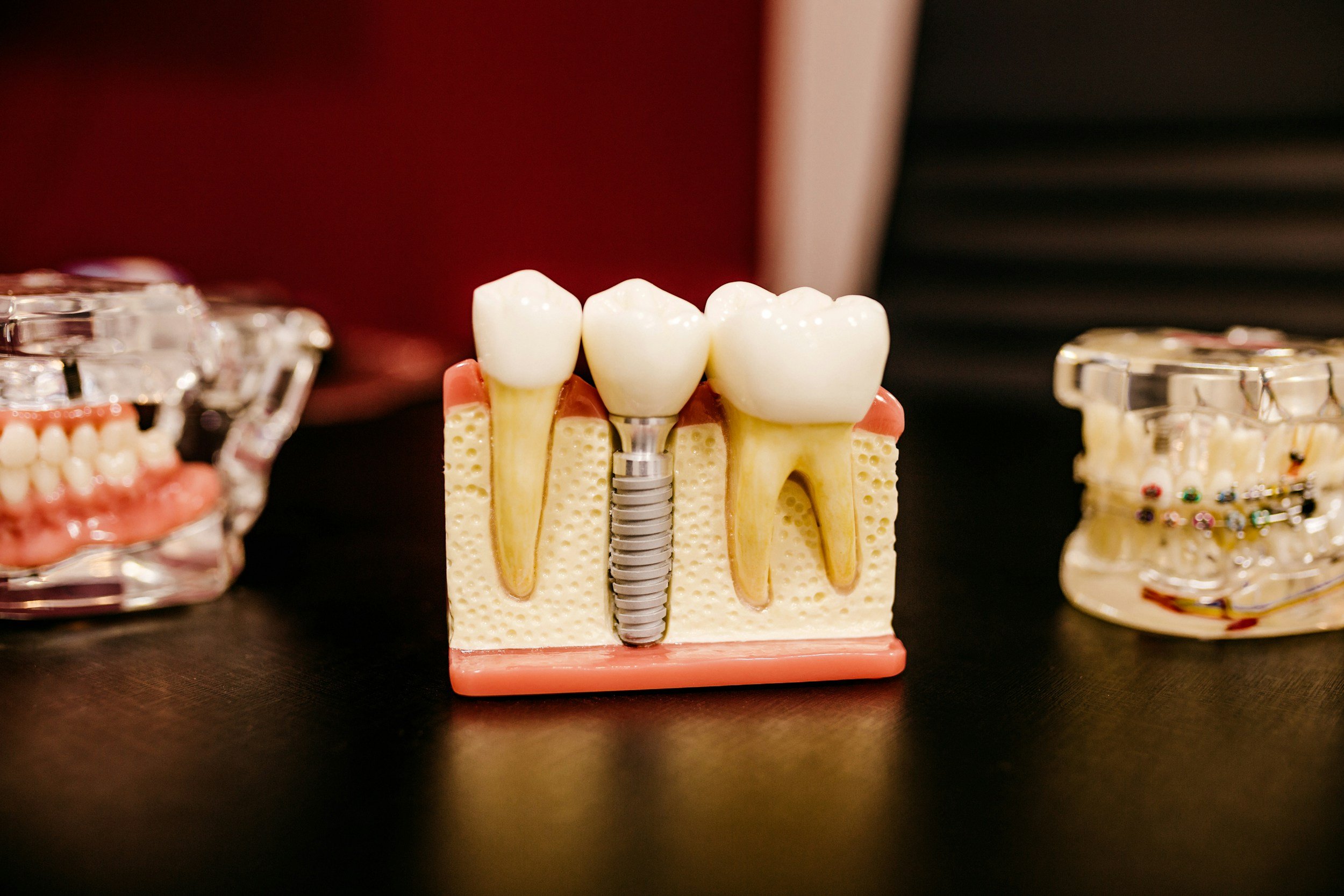
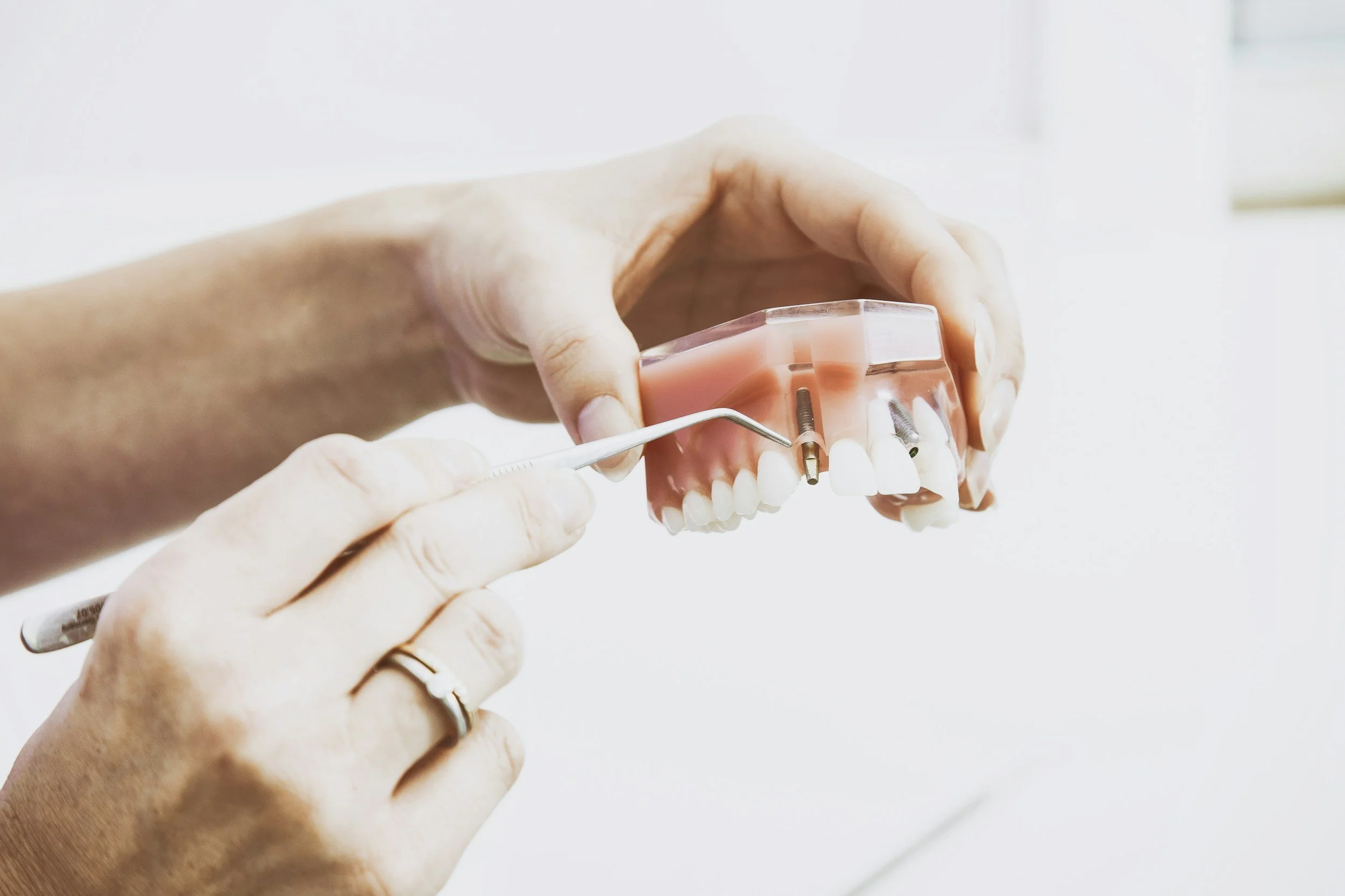
Dental implant placement is a surgical procedure used to replace the root portion of a missing tooth. During implant surgery, a small implant body is carefully positioned in the jawbone where a natural tooth root once was. After the area heals, the implant can provide support for a dental abutment and a new artificial tooth, such as a final crown. Dental implants may be used for a single implant, multiple implants, or as part of a treatment plan designed to support certain bridges or dentures.
The dental implant process usually takes place in stages rather than during one appointment. A dental implant involves careful planning, the implant procedure itself, a healing phase, and placement of the final restoration. Depending on the condition of your bone, gum tissue, and remaining teeth, tooth extraction or a bone graft may also be necessary. The entire process can take several months because the jaw needs time for new bone to develop around and support the implant before the new tooth is placed.
Benefits of Implant Placement
Dental implants offer several advantages for people who need to replace a missing tooth or several teeth. Because the implant is supported by the jawbone, treatment is designed to create a strong foundation for the final restoration while helping you maintain normal function.
Stable support for a new tooth: A dental implant is placed in the jaw to provide support for an artificial tooth. Once healing is complete, the implant and final crown can create a secure replacement without relying entirely on neighboring natural teeth.
Helps maintain the jawbone: When a tooth is lost, the bone in that area may gradually decrease because it no longer receives stimulation from a tooth root. An implant can help maintain bone by transferring normal chewing forces to the jaw, although individual bone loss and bone density must be evaluated before treatment.
Flexible tooth replacement: Implant dentistry can be used to replace a single missing tooth, several teeth, or provide support for certain dentures and crowns. This flexibility allows the dentist to develop a treatment plan around the patient's specific needs rather than using the same solution for every mouth.
Designed for long-term function: With proper care, good oral hygiene, healthy gums, and regular dental visits, dental implants can provide lasting support for replacement teeth. Long-term success also depends on factors such as general health, bone support, daily cleaning, and avoiding habits that could place unnecessary stress on the implant.
Implant Placement Procedure
Every dental implant procedure is planned around the individual patient. Although implant placement is generally considered a minor surgery and is often performed as an outpatient procedure, the exact steps can vary depending on whether you need a tooth extraction, bone graft, single implant, multiple implants, or other care before the implant is placed.
Step 1: Consultation and treatment planning
We begin by examining your teeth, gums, jaw, and overall oral health. We also review your medical history, medications, bone density, previous dental treatment, and other factors that could affect surgery or healing, including conditions such as uncontrolled diabetes.
Step 2: Preparing the implant site
Once there is enough healing and support around the implant, a dental abutment can be connected to it. The abutment serves as the connection between the implant in the jaw and the new artificial tooth that will be visible above the gums.
Step 3: Placing the implant
The final stage is creating and attaching the final restoration, which may be a final crown or another implant-supported restoration depending on your needs. We check its fit, appearance, and bite so your new tooth works comfortably with your other teeth and provides dependable support during everyday use.
Step 4: Allowing the implant to heal
If a damaged tooth is still present, tooth extraction may be required before or during the implant procedure. If there is not enough healthy bone to support the implant, a bone graft may be recommended as a separate procedure or, in some cases, performed around the time of implant placement to encourage bone growth.
Step 5: Attaching the dental abutment
During dental implant surgery, local anesthesia is used to numb the treatment area and help keep you comfortable. The dentist or surgeon makes an opening in the gum tissue, prepares the jawbone, and carefully places the implant body according to the treatment plan.
Step 6: Completing the final restoration
After implant placement, the healing process begins as the surrounding bone gradually forms a stable connection with the implant. This healing phase often takes several months, and the exact healing time depends on the location of the implant, bone quality, the type of implant system used, whether a bone graft was needed, and how your body responds to treatment.
Why Choose Sequoyah Dental for Your Dental Implant Placement in Fayetteville?
Choosing where to receive dental implant placement in Fayetteville is an important part of your treatment. At Sequoyah Dental, we take time to understand what you want to accomplish, evaluate whether implant placement is appropriate, and explain the procedure in clear language. Our goal is to help patients understand each stage of treatment, from the initial examination and surgery through the healing process and final restoration.
Personalized treatment planning: Every patient's mouth, bone structure, and dental needs are different, so implant treatment should not follow a one-size-fits-all approach. We evaluate your teeth, gums, jawbone, medical history, and goals before recommending a treatment plan.
Clear explanations throughout treatment: Terms such as oral and maxillofacial surgery, maxillofacial surgery, craniomaxillofacial implant surgery, implant systems, and bone grafting can sound complicated when you first begin researching treatment. We explain the parts that are relevant to your care in plain English and discuss when treatment by an oral surgeon or maxillofacial surgeon may be appropriate.
Care focused on the complete result: Successful implant dentistry involves more than simply placing an implant in the bone. We consider the implant, gum tissue, bone support, dental abutment, bite, surrounding teeth, and final restoration as parts of the overall result.
Guidance for long-term implant care: Proper care does not stop when the final crown is attached. We can show you how to maintain good oral hygiene around your implant and monitor the area during regular dental appointments to help protect your oral health and support long-term success.
FAQs
-
We tell our patients that the dental implant process usually requires several stages and may take several months from beginning to end. The timeline depends on whether you need tooth extraction, a bone graft, additional bone growth, or time for the implant to become stable in the jaw before receiving the final restoration. Some patients can have an implant placed soon after losing a tooth, while others need more healing time before implant placement can begin. After surgery, we monitor the healing phase and determine when the implant has enough support for the dental abutment and new tooth. We will give you a more personalized timeline after examining your mouth, jawbone, gums, and overall dental health.
-
We use local anesthesia during dental implant surgery so the treatment area is numb while the implant is being placed. Patients may notice pressure or movement during the procedure, but the anesthesia is intended to prevent pain in the treated area. Some soreness, swelling, minor bleeding, or tenderness can occur after surgery as the gums and surrounding tissues begin to heal. We provide aftercare instructions based on your procedure and explain what you can do to stay comfortable during the first part of your recovery. If pain becomes severe, increases instead of improving, or is accompanied by unusual swelling or other concerning symptoms, we encourage you to contact our dental office so we can evaluate the area.
-
Not every patient needs a bone graft before receiving a dental implant. We examine the amount and quality of available bone because the jawbone must provide enough support to keep the implant stable during healing and everyday use. If bone loss has reduced the amount of available support, grafting may be recommended to help create a stronger foundation for the implant. Depending on your situation, the graft may be completed as a separate procedure before implant surgery or performed in connection with another stage of treatment. We determine whether grafting is necessary after evaluating your bone density, jaw, missing tooth area, and overall treatment needs.
-
A good candidate for dental implants generally has suitable oral health, healthy or manageable gums, enough bone to support the implant, and the ability to heal normally after a surgical procedure. During your consultation, we review your medical history because certain health conditions, medications, smoking, uncontrolled diabetes, and other factors can affect healing or increase the chance of complications or implant failure. Having some bone loss does not automatically mean that you cannot receive an implant because a bone graft or another treatment may sometimes improve the available support. We also consider your commitment to proper care and oral hygiene because implants and the surrounding gums still require regular cleaning and dental visits. The most reliable way to know whether you are a candidate is to have your mouth and jaw evaluated so we can discuss the benefits, limitations, and alternatives that apply specifically to you.
-
The total cost of dental implant treatment varies because every patient's treatment plan is different. Factors can include the number of implants needed, whether a damaged tooth requires extraction, whether bone grafting is necessary, the type of implant and final restoration, and any additional treatment needed to prepare the mouth. A single implant with a final crown will have different treatment needs than multiple implants used to replace several teeth or provide support for dentures. After evaluating your dental needs, we can explain the recommended procedure, expected fees, and available financing options so you have a clearer picture before moving forward. We encourage patients to consider the complete treatment plan rather than comparing only the price of implant placement, because the implant, abutment, final crown, necessary preparatory care, and follow-up treatment may all affect the overall cost.
Schedule Your Consultation Today!
If you are dealing with a missing tooth, damaged tooth, or several missing teeth, dental implant placement in Fayetteville may give you another option for restoring your smile and everyday function. At Sequoyah Dental, we can examine your teeth, gums, bone, and jaw to determine whether an implant is suitable for your needs and explain the procedure without making it unnecessarily complicated. Your consultation is also a good time to ask questions about healing time, surgery, implant failure risks, proper care, the final crown, total cost, or financing options. To schedule an appointment and learn more about dental implant placement, call Sequoyah Dental at (479) 313-7373. We look forward to helping you understand your treatment choices and decide on an approach that supports your oral health.