
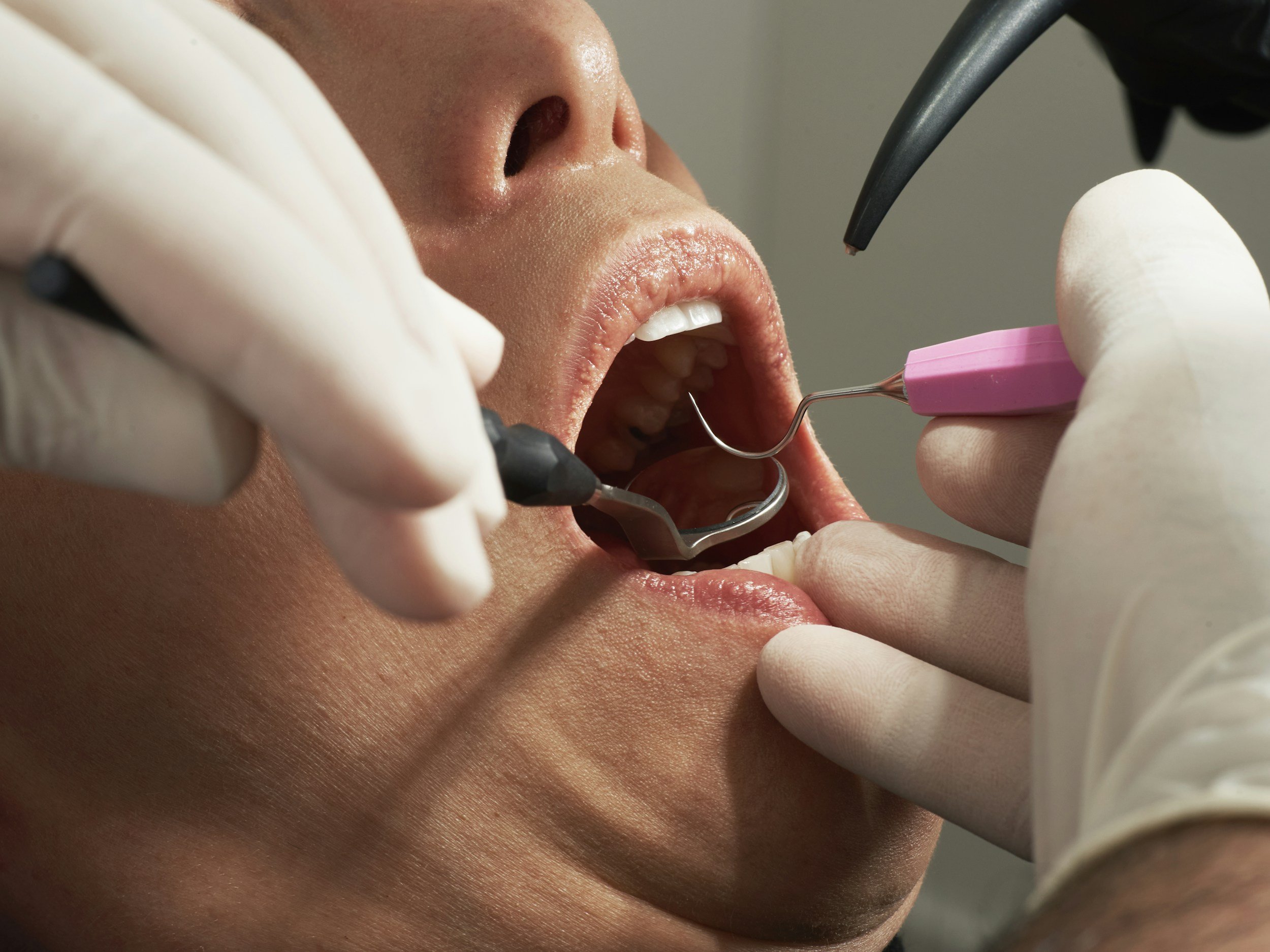
Dental Abscess Drainage in Fayetteville, AR

A tooth that suddenly starts throbbing, swelling, or makes it hard to eat can be a sign of a dental abscess that needs attention. An abscessed tooth can cause severe pain, facial swelling, gum swelling, bad breath that gets worse fast, or sensitivity that gets worse quickly. At Sequoyah Dental, we do dental abscess drainage in Fayetteville to relieve pain, remove pus, reduce pressure, and treat the source of the infection. Early treatment is important because an untreated infection can spread to the surrounding tissues and create more serious problems.
What is Dental Abscess Drainage?
A dental abscess is a pocket of pus caused by a bacterial infection in or around a tooth or the gums. It can develop from tooth decay, untreated cavities, gum disease, poor oral hygiene, a cracked tooth, or infected pulp inside the tooth’s pulp chamber. A periapical abscess forms near the tooth root, and a periodontal abscess develops in the gum tissue. Common symptoms are tooth pain, gum swelling, facial swelling, bad breath, and sensitivity around the affected tooth.
During dental abscess drainage in Fayetteville, the trapped pus is released to relieve pressure and help reduce pain in the infected area. Drainage relieves symptoms, but the underlying cause must also be treated, which may involve root canal therapy, treatment for periodontal disease, or removal of a tooth that can’t be saved. Even if an abscess bursts and pus starts draining on its own, the infection may remain and spread to surrounding tissues or bone. Prompt dental treatment can help control the infection, protect your oral health, and reduce the risk of serious complications.
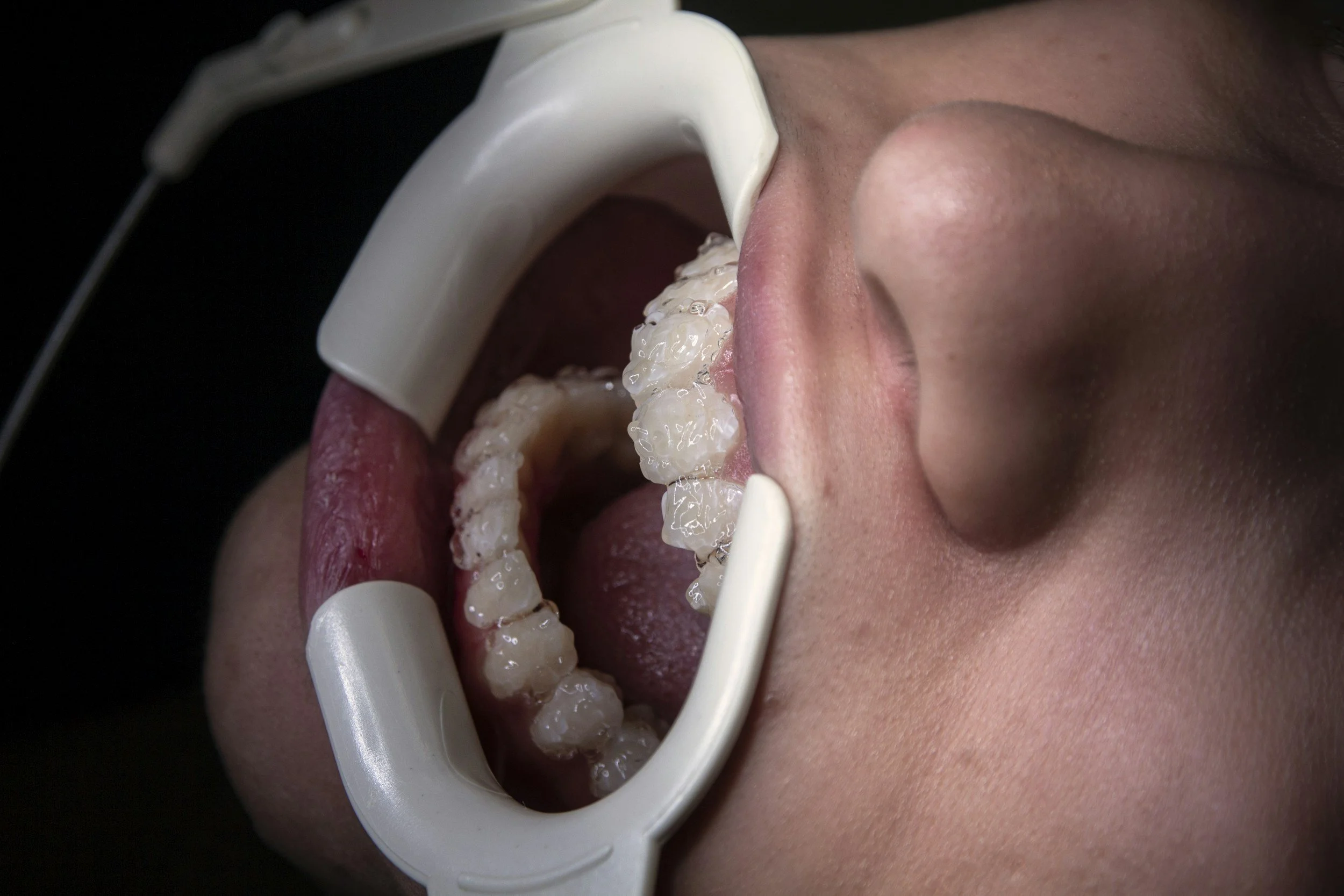
Benefits of Dental Abscess Drainage
Prompt treatment can relieve uncomfortable symptoms while we control the source of the infection. The benefits depend on the type, location, and severity of the dental abscess, but timely treatment can protect both your comfort and oral health.
Relieves pain and pressure: Draining an abscess can relieve pressure created by trapped pus around an infected tooth or gum tissue. This can help relieve pain and make eating and speaking more comfortable while the underlying problem is treated.
Controls the infection: Removing pus from an abscess reduces infected material in the affected area. We then evaluate the source of the bacterial infection and recommend additional dental treatment when needed to prevent bacterial spread.
Protects nearby oral structures: An untreated infection can affect nearby teeth, gum tissue, surrounding bone, and other surrounding tissues. Getting the abscess treated early can limit damage and may save your natural tooth.
Supports a complete treatment plan: Drainage allows us to figure out why the abscess formed instead of just treating dental pain. We can determine if you need root canal therapy, gum treatment, another dental procedure, or medication as part of your treatment.
Early treatment is especially important if you have increasing facial swelling, swollen lymph nodes, high fever, or worsening symptoms. People with a weakened immune system should take signs of a dental infection seriously because an infection spreading beyond the original area can become serious. Immediate professional attention allows us to assess the problem before serious complications develop.
Dental Abscess Drainage Procedure
The procedure for dental abscess drainage in Fayetteville depends on where the abscess is located and what caused it. Before we start treatment, we evaluate your symptoms and the affected area so we can choose the right approach and explain what to expect.
Step 1: Examination and evaluation
We ask about your tooth pain, swelling, fever, pus drainage, bleeding gums, and other warning signs. We examine the tooth and surrounding gum tissue and may use dental imaging to see the tooth root, surrounding bone, and areas that are not visible during a regular exam.
Step 2: Identifying the source of infection
If the infection started inside the tooth, root canal therapy may be recommended to remove infected tissue from the tooth’s pulp chamber and address the source of the infection. If the tooth can’t be restored or if advanced gum disease has caused extensive damage, another treatment may be needed.
Step 3: Keeping you comfortable
We will give you instructions on how to care for the area and explain the warning signs that should prompt another call to our office. In some cases, we may prescribe antibiotics when appropriate, but antibiotics do not replace treatment of the source of a dental abscess.
Step 4: Draining the abscess
We determine if the problem is from tooth decay, infected pulp, periodontal disease, an injury, or another dental issue. Knowing the source helps us decide if drainage alone should be followed by a root canal, gum treatment, tooth removal, or another form of treatment.
Step 5: Treating the underlying dental problem
Before we drain the abscess, we take steps to make the area as comfortable as possible. Our office will explain the process so you understand what we are doing and why each part of the procedure is necessary.
Step 6: Aftercare and follow-up
We create a path for the trapped pus to drain when appropriate and help relieve pressure in the infected area. Once pus drains, we may gently clean the area to reduce infected material and bacteria.
Why Choose Sequoyah Dental for Your Dental Abscess Drainage and Emergency Care?
When dental pain and swelling appear suddenly, you need clear information and appropriate care without unnecessary confusion. Sequoyah Dental evaluates the cause of your symptoms and develops a treatment plan based on what’s happening with your tooth and gums. Our goal is to relieve discomfort while addressing the source of the infection and protecting your long-term oral health.
Prompt evaluation of dental infections: We know that severe pain, facial swelling, and an abscessed tooth can make it hard to wait for dental care. We evaluate the warning signs and determine what treatment is needed for the condition we find.
Care focused on the cause: Our goal is not just to provide temporary relief from dental pain. We look for the source of the infection so we can recommend care that may include drainage, root canal therapy, periodontal treatment, or another option.
Clear guidance throughout treatment: We will explain what we find and what the recommended dental treatment involves in plain language. You will also receive instructions on how to care for the area and recognize signs that require immediate professional attention.
A focus on preserving oral health: Whenever possible, treatment is planned to control infection and protect healthy teeth and surrounding tissues. If the natural tooth can be saved, we can discuss options such as root canal treatment based on your individual situation.
If your condition requires care beyond what can be provided in our office, we can discuss the next step. Certain severe or complex infections may require evaluation by an oral and maxillofacial surgeon or another maxillofacial surgeon. Your safety comes first, especially when symptoms suggest the infection is spreading into deeper tissues.
FAQs
-
We look for signs such as tooth pain, gum swelling, facial swelling, sensitivity, pus drainage, bad breath, or a swollen area near a tooth. Some patients notice an unpleasant taste if pus begins to drain from the abscess. A high fever or swollen lymph nodes may indicate the body is responding to a more serious infection. Because several dental problems can cause similar symptoms, we need to examine the area before we can confirm you have a tooth abscess. If you notice these symptoms, call our office so we can evaluate the problem and recommend treatment.
-
If an abscess bursts, you may notice fluid or pus draining into your mouth and a decrease in pain or pressure. We still recommend calling us immediately because spontaneous drainage doesn’t mean the infection is gone. You can gently rinse your mouth, and we may recommend warm salt water as part of short-term care depending on your situation. Do not squeeze, puncture, or repeatedly press on the area because this can irritate the soft tissues. We need to evaluate the source of the infection and determine if additional treatment is needed.
-
We do not recommend waiting for a dental abscess to resolve without professional care. Symptoms may improve if pus starts draining, but the infection inside the tooth or gum remains. If left untreated, dental infections can damage nearby teeth, gum tissue, or surrounding bone and may eventually cause tooth loss. In some cases, the infection can spread into deeper tissues and cause serious complications. Getting the condition treated early gives us a better chance to control the infection and address the cause.
-
We consider a dental abscess an emergency when the swelling is increasing rapidly, or the infection is spreading beyond the tooth and gums. Difficulty swallowing, difficulty breathing, significant facial swelling, high fever, rapidly spreading infection, or severe worsening symptoms require immediate attention. If you are having difficulty breathing or swallowing or think the condition is life-threatening, seek emergency care through an emergency department or emergency room rather than waiting for a routine dental appointment. Once medical emergencies are addressed, dental care may still be needed to treat the source of the infection. For dental symptoms that are urgent but not life-threatening, call our office so we can advise you on the next step.
-
We will tailor treatment to the cause and severity of the infection. We may prescribe antibiotics if there are specific reasons to do so, especially if the infection is spreading or there are other health concerns. If decay or bacteria has reached the inside of the tooth and infected the pulp, a root canal may be necessary to remove the infection and save the tooth. A periodontal abscess related to gum disease may require a different approach focused on the gums and supporting tissues. We will explain the treatment plan after we examine the tooth and determine where the infection started.
Schedule Your Consultation Today!
If you have severe tooth pain, gum swelling, facial swelling, pus draining around a tooth, or other signs of a dental abscess, don’t wait for it to get worse. Contact Sequoyah Dental for dental abscess drainage in Fayetteville so we can evaluate the tooth, diagnose the problem, and discuss treatment. Early care can relieve pain, control infection, and reduce the risk of complications to surrounding tissues. Call (479) 313-7373 to speak with our office and schedule your appointment. If you are having difficulty breathing, difficulty swallowing, or other life-threatening symptoms, seek emergency care instead of waiting for a dental appointment.