
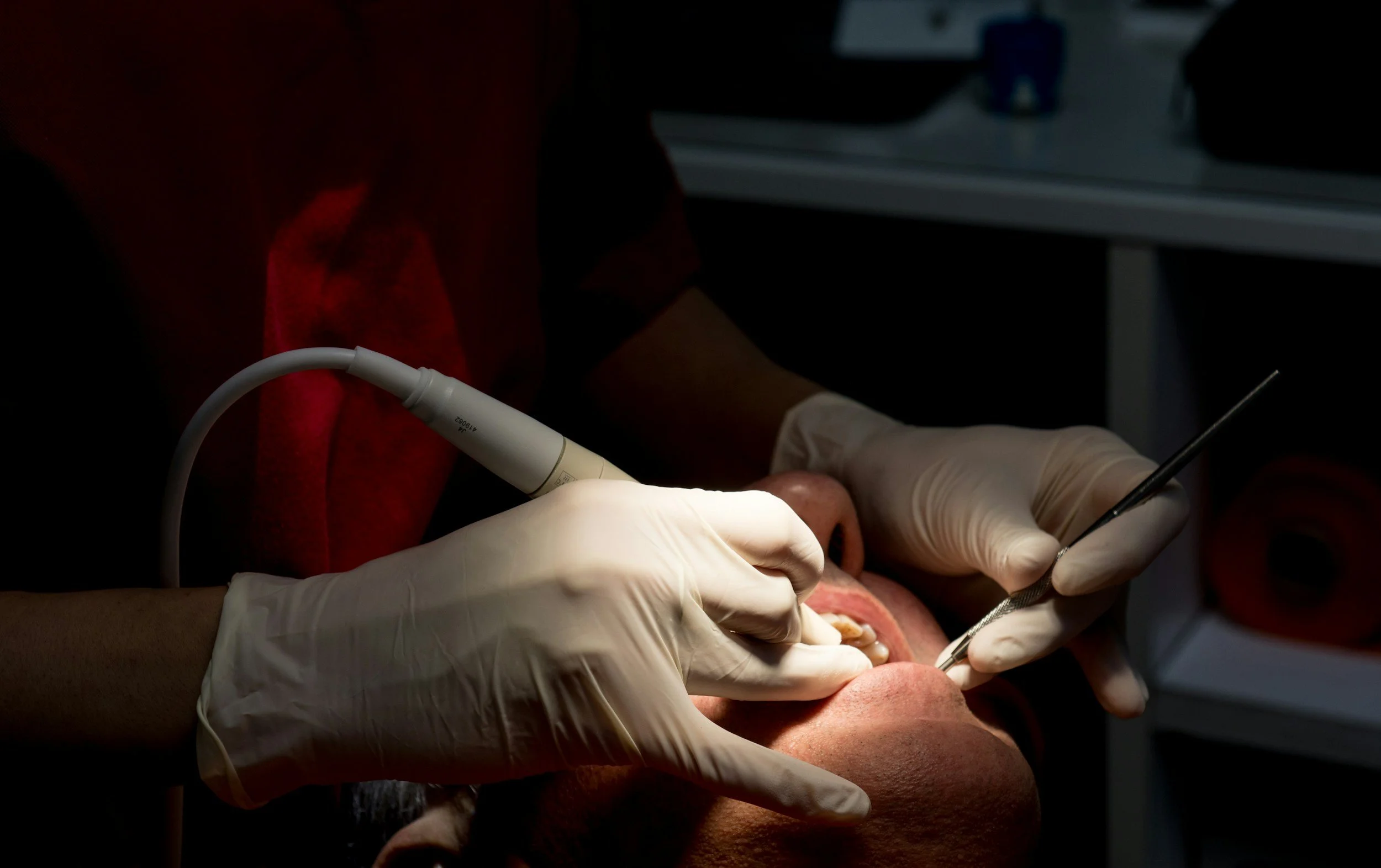
Sleep Apnea in Fayetteville, AR

Do you snore loudly, wake up feeling tired, or struggle to stay alert even after a full night in bed? These symptoms may be signs of sleep apnea, a sleep disorder that interrupts normal breathing and keeps you from getting a good night’s sleep. At Sequoyah Dental, we help patients understand how dental care fits into the management of sleep apnea in Fayetteville, especially when obstructive sleep apnea can be treated with a custom oral appliance. We want to work with you and your healthcare provider to find a comfortable solution that supports restful sleep, easier nighttime breathing, and overall well-being.
Sleep apnea affects more than how you feel in the morning. Repeated breathing stops can disrupt healthy sleep and contribute to excessive daytime sleepiness, morning headaches, trouble concentrating, and other symptoms that impact daily life. When appropriate, dental oral appliance therapy may be part of your treatment plan, especially if you can’t use or can’t tolerate CPAP.
What is Sleep Apnea?
Sleep apnea is a sleep disorder that causes breathing to slow down or stop during sleep, which can lower blood oxygen levels and prevent restful sleep. Obstructive sleep apnea occurs when the upper airway is blocked as the throat relaxes and the tongue, soft palate, or other soft tissues restrict airflow. This can cause loud snoring, breathing stops, morning headaches, and excessive daytime sleepiness. Sleep apnea can be mild sleep apnea, moderate sleep apnea, or severe sleep apnea, and a sleep study or home sleep apnea testing may be used to determine its severity.
Central sleep apnea is different because breathing interruptions occur when the brain doesn’t signal the muscles responsible for breathing rather than the airway being physically blocked. A healthcare provider or sleep medicine physician can evaluate your symptoms, medical history, and risk factors and may recommend testing through a sleep center or home sleep testing. Proper evaluation is important because untreated sleep apnea can be associated with health complications such as high blood pressure, heart disease, atrial fibrillation, metabolic syndrome, insulin resistance, and diabetes mellitus. Once diagnosed, treatment options may include CPAP therapy, oral appliance therapy, lifestyle changes, or other care based on your individual needs.

Benefits of Sleep Apnea Treatment
Treatment for sleep apnea in Fayetteville is designed to reduce nighttime breathing interruptions and help you get healthier sleep. The benefits will vary based on the type and severity of your condition, the treatment chosen, and how consistently you use it.
Better Sleep: Treatment may reduce repeated episodes of interrupted breathing that disturb your sleep. With fewer disruptions, you may be able to sleep more restfully and wake up feeling more refreshed.
Less Daytime Sleepiness: Sleep apnea causes excessive daytime sleepiness because your body moves out of deeper stages of sleep repeatedly. Improving nighttime breathing may help you feel more alert and focused during daily activities.
Airway Support: Treatments for obstructive sleep apnea are designed to keep the upper airway open while you sleep. For appropriate patients, oral appliances can reposition the lower jaw to create more space and keep the airway open.
Long-Term Health: Managing sleep apnea is part of addressing the health complications associated with ongoing sleep-disordered breathing. Your medical and dental healthcare providers can coordinate care based on your diagnosis, risk factors, blood pressure, medical history, and overall health.
Sleep Apnea Procedures
Dental care for sleep apnea starts after your symptoms and medical needs have been evaluated. Since dentists focus on oral appliance therapy for obstructive sleep apnea, we coordinate care as needed rather than treating every sleep condition the same way.
Step 1: Discuss Your Symptoms and Medical History
We begin by talking with you about symptoms such as loud snoring, morning headaches, feeling tired during the day, or waking up when your breathing stops. We may also review your medical history, existing sleep study results, current treatment, and other information relevant to your oral health and sleep.
Step 2: Complete or Review Appropriate Sleep Testing
A custom oral appliance is designed to fit your mouth and position the jaw while you sleep. Adjustments may be made gradually to improve comfort and airway support while limiting unnecessary strain on the teeth, jaw joints, and soft tissues.
Step 3: Determine the Right Treatment
Follow-up is important because fitting the appliance is only one part of treatment. We monitor comfort, fit, your bite, and dental health while your medical provider may recommend follow-up testing to determine if the appliance is providing effective treatment.
Step 4: Evaluate Your Mouth for an Oral Appliance
If sleep apnea has not been diagnosed, you may need to be evaluated by a healthcare provider or sleep medicine physician. A provider may recommend a sleep study, home sleep apnea testing, or testing through a sleep center to determine if sleep apnea is present and if it’s mild, moderate, or severe.
Step 5: Fit and Adjust Your Oral Appliance
Your healthcare team will consider the results of your testing along with your symptoms and medical conditions. CPAP therapy may be recommended, while some patients may be candidates for oral appliance therapy or other treatment options.
Step 6: Follow Up and Evaluate Your Progress
If an oral appliance has been recommended, we evaluate your teeth, gums, bite, jaw, and surrounding structures. This helps us determine if your mouth can comfortably support a mandibular advancement device and identify any dental concerns that need to be addressed beforehand.
Why Choose Sequoyah Dental for Sleep Apnea?
At Sequoyah Dental, we understand how frustrating it can be when poor sleep affects your energy, concentration, and daily routine. We provide a straightforward dental approach to sleep apnea in Fayetteville with a focus on oral appliance therapy for appropriate patients. Our focus is on comfortable care, clear communication, and coordination with the healthcare professionals involved in your care.
Personalized Dental Evaluation: Every patient’s mouth, bite, jaw, and sleep apnea needs are different. We evaluate your oral structures and existing treatment plan before recommending dental sleep therapy.
Custom Oral Appliances: A custom device is designed around your individual mouth, not a one-size-fits-all approach. When appropriate, a mandibular advancement device can gently support the jaw in a position that creates more room for airflow while you sleep.
Comfort-Focused Follow-Up: Oral appliances may require adjustments as you get used to wearing them. We monitor your teeth, bite, jaw, and soft tissues so we can address discomfort or changes that may occur with continued use.
Coordinated Patient Care: Sleep apnea often requires cooperation between dental and medical healthcare professionals. We support coordinated patient care so your oral appliance is used as part of an appropriate medical treatment plan rather than as a substitute for necessary sleep medicine care.
FAQs
-
From a dental perspective, common symptoms to pay attention to are loud snoring, waking up gasping or choking, morning headaches, dry mouth, excessive daytime sleepiness, and feeling tired despite spending enough time in bed. A family member may also notice you stop breathing for short periods while asleep. Some people have difficulty concentrating or feel sleepy while reading or watching TV. These symptoms don’t automatically mean you have sleep apnea because other sleep disorders and medical conditions can cause similar problems. We recommend discussing persistent symptoms with an appropriate healthcare provider so proper testing can be arranged.
-
Yes, dentists can play an important role in managing some cases of obstructive sleep apnea, especially through oral appliance therapy. At our practice, we focus on the dental part of treatment, not trying to replace the role of a sleep medicine physician. If an oral appliance is indicated we can evaluate your teeth and jaw, fit the device, make adjustments, and monitor your oral health. Oral appliances work by positioning the jaw or tongue to help keep the upper airway open during sleep. We also encourage continued medical follow-up so the effectiveness of treatment can be properly assessed.
-
We explain to patients that CPAP and oral appliances have different advantages, so one should not automatically be better for everyone. CPAP is generally more effective for obstructive sleep apnea, especially in more severe cases, while oral appliances can be an alternative for mild to moderate sleep apnea or those who can’t tolerate CPAP. A custom oral appliance is smaller, portable, and doesn’t require a mask or CPAP machine beside the bed. However, severe sleep apnea may require CPAP or another approach, and switching treatments without medical guidance can leave the condition inadequately controlled. We work with patients and their healthcare providers to determine when dental oral appliance therapy is an option.
-
An oral appliance is worn in your mouth while you sleep and is designed to reduce physical obstruction of the airway. A mandibular advancement device gently moves the lower jaw forward, which can also move the tongue and nearby soft tissues away from the back of the throat. This creates additional room in the upper airway and may reduce the repeated collapse that causes obstructive apneas. We adjust the device because the right jaw position needs to balance breathing support with comfort. Regular follow-up also allows us to check your bite, teeth, gums, jaw joints, and the condition of the appliance.
-
We do not recommend assuming sleep apnea will just go away, especially after it has been diagnosed through proper testing. Lifestyle changes such as weight loss, avoiding certain substances before bed, or changing body position during sleep may improve obstructive sleep apnea in some people, but results vary. Some patients will still need CPAP therapy, an oral appliance, or another form of treatment to control nighttime breathing problems. Central sleep apnea and sleep apnea associated with underlying medical conditions require different evaluation and may need treatment from other healthcare professionals. If your symptoms improve, we still recommend speaking with your healthcare provider before stopping prescribed treatment because follow-up testing may be needed to confirm your sleep apnea is controlled.
Schedule Your Consultation Today!
If you have been diagnosed with obstructive sleep apnea and want to know if dental oral appliance therapy is right for you, contact Sequoyah Dental to discuss sleep apnea in Fayetteville. We can evaluate your oral health, review your treatment plan, and explain how custom oral appliances can help appropriate patients keep the airway open while sleeping. If you currently use positive airway pressure therapy but can’t tolerate CPAP, speak with your healthcare provider if an oral appliance may be an alternative before stopping CPAP therapy. To schedule an appointment with Sequoyah Dental, call (479) 313-7373, and let us help you take the next step toward better sleep. With proper medical and dental care, treatment can help you toward more comfortable nights and a good night’s rest.